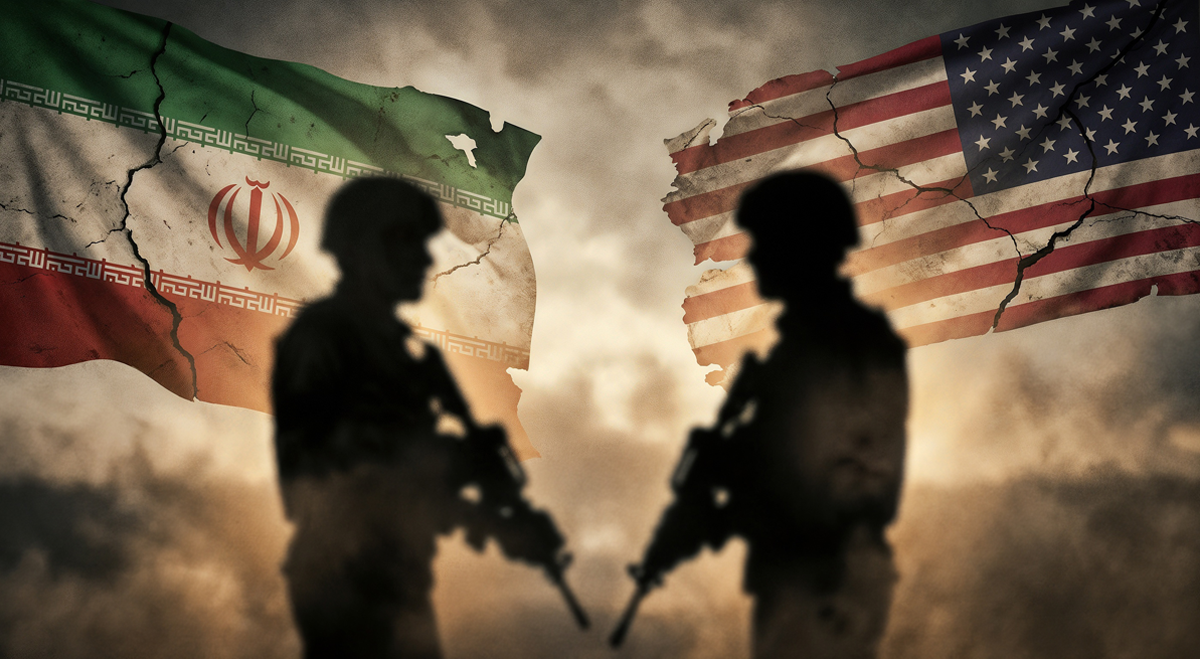
The ceasefire between the US and Iran is showing cracks after the two sides exchanged strikes at least three times over the past week, prompting Iran’s Islamic Revolutionary Guard Corps (IRGC) to declare that the Strait of Hormuz will remain closed until further notice — or, more specifically, until the U.S. retreats from its positions.
Naturally, oil jumped more than 8% over the week.
That renewed pressure on US Treasuries as markets priced in the possibility that the Fed may have to keep rates higher for longer — or even hike again — sending the 10-year Treasury yield up to 4.56% from 4.37% and the 30-year yield to 5.06% from 4.87% over the past two weeks. Gold, meanwhile, slipped around 2.5%.
And yet, the S&P 500 index still ended the week up more than 0.7%, while the Nasdaq added another 0.8%. How?
On the one hand, investors don’t seem convinced that this will lead to a conflict on the scale of what we saw a couple of months ago. On the other hand, there is hope for another “TACO” call from the president, pulling back whenever markets start to wobble.
Are markets underestimating the risks?
Given that Republicans’ control of the U.S. Senate has weakened following Graham’s death, the White House has every incentive to prevent this conflict from dragging on. A prolonged period of uncertainty in the region would mean higher oil prices, higher gasoline prices, and ultimately angry voters.
But of course, rationality doesn’t always prevail in geopolitics…
All eyes will now be on Kevin Warsh’s appearance before the U.S. Senate on July 15. If he doubles down on his post-Fed meeting comments, that the central bank remains committed to bringing inflation back to 2% and that the inflation outlook has become more challenging, equity indices could also turn red.
Leave a Reply