Category: Market News

  • Shawbrook Delivers Higher First-Half Profit and Maintains Full-Year Outlook

    Shawbrook Delivers Higher First-Half Profit and Maintains Full-Year Outlook

    Shawbrook (LSE:SHAW) has reported strong interim results for the six months ended 30 June 2026, with underlying profit before tax rising 16% to £195.5 million. The specialist lender achieved an underlying return on tangible equity of 18.1%, while its combined loan book, including originate-to-distribute assets, expanded to £20.1 billion. Growth was supported by targeted lending in specialist markets and £1.3 billion of capital markets activity. Customer deposits also increased, reaching £18.8 billion during the period.

    Technology Investment Drives Greater Efficiency

    Continued investment in technology and artificial intelligence contributed to further operational improvements, helping reduce the underlying cost-to-income ratio to 36.4% as revenue growth outpaced increases in operating costs. The bank also improved its cost-to-asset efficiency, reflecting ongoing efforts to streamline operations while supporting business expansion.

    Shawbrook further strengthened its capital position, with its CET1 ratio increasing to 13.0%. The group also completed a new £250 million Additional Tier 1 (AT1) capital issuance at a lower coupon, contributing to a total capital ratio of 16.4%. Management reaffirmed its financial guidance for 2026 and confirmed its intention to introduce a maiden ordinary dividend in 2027, highlighting confidence in the group’s long-term earnings and shareholder return strategy.

    Solid Fundamentals Support Long-Term Growth

    The company’s outlook continues to benefit from healthy revenue growth and stronger cash generation, although management recognises that margin pressure, lower projected net income and leverage remain factors to monitor. Technical indicators present a mixed picture, with recent price strength contrasting against a softer longer-term trend, while valuation metrics remain difficult to assess based on the available earnings and dividend data.

    About Shawbrook Group Plc

    Shawbrook Group Plc is a UK specialist bank that provides lending and savings products to consumers, small and medium-sized businesses, and professional real estate investors. Listed on the London Stock Exchange and a constituent of the FTSE 250 Index, the bank serves approximately 600,000 customers through a range of specialist brands, combining disciplined underwriting with a technology-driven operating model.

    The group focuses on specialist lending markets where tailored expertise can create competitive advantages. By integrating digital technology and artificial intelligence throughout the lending process, Shawbrook aims to improve efficiency, maintain strong credit quality and deliver sustainable long-term returns, supported by a diversified balance sheet funded primarily through customer deposits.


  • Hiscox Raises Retail Growth Forecast Following Strong First-Half Performance

    Hiscox Raises Retail Growth Forecast Following Strong First-Half Performance

    Hiscox (LSE:HSX) has reported interim results for the six months ended 30 June 2026, with insurance contract written premiums increasing 10.1% to $3.24 billion. Profitable growth was achieved across all three operating divisions, while the undiscounted combined ratio improved to 90.4%. Adjusted operating profit before tax climbed to $331 million, supporting a 20.2% adjusted operating return on tangible equity. The insurer also increased its interim dividend by 16.7% to 16.8 cents per share.

    Improved Outlook Backed by Retail Momentum and Efficiency Programme

    Following a strong first half, Hiscox has increased its full-year 2026 constant-currency growth target for the Hiscox Retail division from 8% to 9%. The upgrade reflects retail growth of 8.2% during the period, supported by expansion into specialist markets, stronger digital capabilities and broader distribution channels.

    The company’s ongoing transformation programme generated a $45 million profit and loss benefit during the first half at a cost of $39 million. Management expects the initiative to deliver $75 million in benefits during 2026 and approximately $200 million by 2028, reinforcing its strategy of improving operational efficiency, maintaining underwriting discipline and delivering sustainable returns despite competitive market conditions.

    Financial Strength and Attractive Valuation Support Outlook

    Hiscox’s positive outlook is underpinned by robust earnings growth and improving profitability, although management continues to acknowledge potential volatility in cash flows. Technical indicators remain supportive, with the share price trading above key moving averages and positive momentum reflected by the MACD indicator.

    The company’s relatively low price-to-earnings ratio also strengthens its investment case, while recent earnings guidance and continued capital returns provide additional support. These positives are balanced against ongoing risks including insurance pricing pressure, taxation changes and the potential financial impact of major catastrophe events.

    About Hiscox

    Hiscox Ltd is a Bermuda-based global specialist insurer listed on the London Stock Exchange. The company provides insurance solutions for complex and specialist risks, serving both commercial and personal customers through retail operations in the United States, the United Kingdom and Europe, while also underwriting international large-risk and reinsurance business through Hiscox London Market and Hiscox Re.

    With more than 3,000 employees across 13 countries, Hiscox maintains a diversified portfolio across products and regions to support long-term profitable growth throughout the insurance cycle. Its business strategy focuses on disciplined underwriting, specialist product innovation and customer-focused digital distribution, supported by a culture that emphasises entrepreneurship, accountability, integrity and innovation.

  • London BTC Confirms Record Nevada Gold Assay and Expands Exploration Activities

    London BTC Confirms Record Nevada Gold Assay and Expands Exploration Activities

    London BTC Company Limited (LSE:BTC) has announced fresh rock chip assay results from its Amonett-Frank gold-silver project in Nevada, highlighting a peak result of 143.1 g/t gold. The assay represents the highest gold grade recorded so far across the company’s U.S. exploration portfolio. The project is situated near the Goldbanks resource within a well-established mining district that includes major Nevada Gold Mines operations.

    Assay Validation Supports Faster Exploration

    The company has successfully cross-checked PhotonAssay results with conventional fire assay testing across its U.S. assets, confirming the consistency of the grades obtained. As a result, London BTC intends to use PhotonAssay as its standard analytical method, significantly reducing assay turnaround times from weeks to just a few days.

    To support the next stage of exploration, the company has appointed Dahrouge Geological Consulting to accelerate field activities throughout its Nevada portfolio. Current work includes detailed surface sampling, geological mapping and permitting at the Amonett-Frank project, while additional exploration remains focused on the high-grade Teep prospect.

    Nevada Portfolio Moves into Active Exploration Phase

    The latest developments reinforce the company’s confidence in the quality of its Nevada land package while marking a transition from property acquisition to systematic exploration. Faster analytical results combined with expanded geological expertise are expected to improve project planning, speed up decision-making and enhance communication with investors as exploration progresses across prospective mineralised trends.

    About London BTC Company Limited

    London BTC Company Limited is listed on the London Stock Exchange Main Market and also trades on the OTCQB market in the United States. The company is developing a portfolio of high-grade gold and silver exploration projects in Nevada, including the Amonett-Frank and Teep prospects, both located close to established mining operations and known mineral resources.

    Its exploration strategy centres on expanding its Nevada claim holdings, applying modern analytical techniques and working with specialist geological consultants to rapidly assess prospective targets. By combining advanced assay technology with systematic exploration, the company aims to identify and advance gold and silver deposits with strong economic potential.

  • MedPal AI Builds Momentum as Recurring Revenue Model Powers Rapid Growth

    MedPal AI Builds Momentum as Recurring Revenue Model Powers Rapid Growth

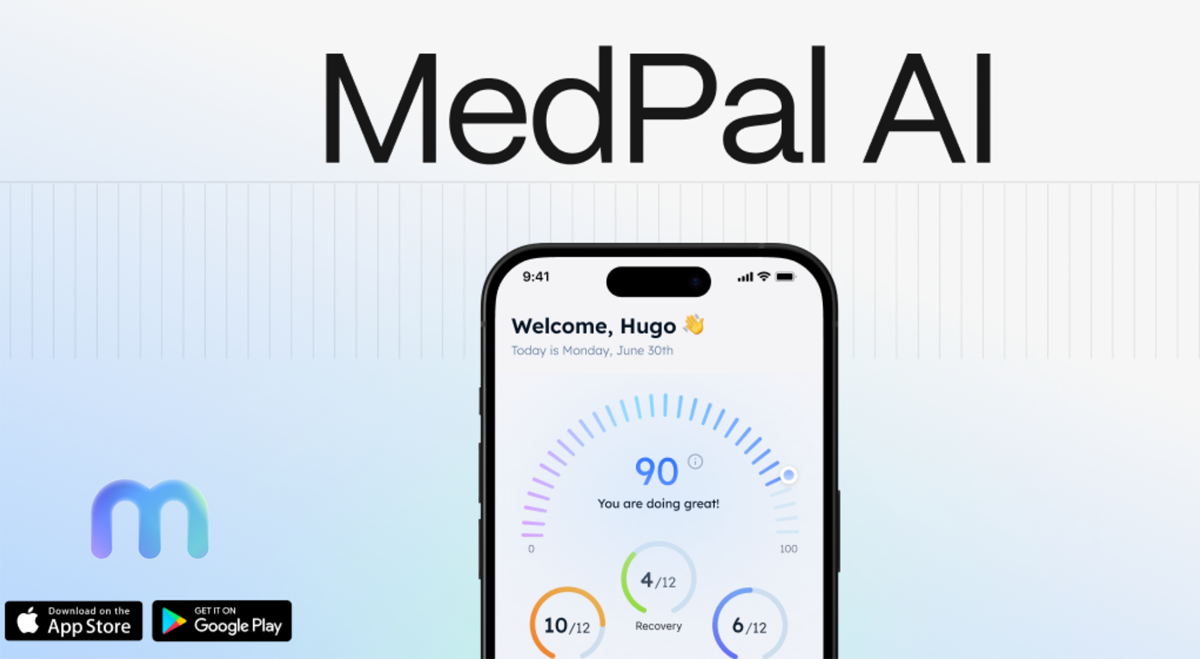
    Few healthcare technology companies can claim to have built an annualised revenue run rate of approximately £8.6 million in just nine months, but that is exactly what MedPal AI (LSE:MPAL) is achieving. In the latest episode of The Watchlist, CEO Jason Drummond outlined how the company’s integrated digital healthcare platform is rapidly scaling across NHS prescriptions, private healthcare, GLP-1 weight management services and high-margin software revenues.

    The update highlights a business that is moving beyond early-stage growth into a scalable healthcare platform with multiple recurring revenue streams and significant operational leverage.

    A Business Built on Recurring Revenue

    Speaking during the interview, Drummond attributed MedPal AI’s rapid progress to strong demand across all of the company’s healthcare services combined with a business model designed around recurring monthly revenue.

    Unlike businesses that must rebuild sales from scratch each month, MedPal AI begins every new month with an established revenue base generated from NHS prescriptions, private treatment plans, GLP-1 weight management programmes and software subscriptions.

    This creates a compounding effect, allowing the business to build predictable and increasingly valuable recurring revenues as patient numbers continue to grow.

    Importantly, much of this growth has been achieved with only limited marketing investment, suggesting there remains significant opportunity as customer acquisition efforts accelerate.

    Robotic Infrastructure Unlocks Scale

    One of the key competitive advantages highlighted by Drummond is MedPal AI’s investment in automated dispensing infrastructure.

    The company’s flagship robotic dispensing hub at Sarus Court has been designed to process more than 300,000 prescription orders per month, while current volumes remain below 50,000 prescriptions.

    This provides substantial capacity for future expansion without requiring proportional increases in operating costs.

    As prescription volumes continue to rise, this operational leverage has the potential to drive improving margins while maintaining high levels of accuracy and efficiency through fully automated 24/7 dispensing.

    Building a Connected Healthcare Ecosystem

    Rather than operating individual healthcare services independently, MedPal AI is creating what Drummond described as a complete digital health operating system.

    The platform integrates:

    • NHS prescription services
    • Private healthcare consultations
    • New Health’s GLP-1 weight management clinic
    • Robotic pharmacy dispensing
    • eMARx healthcare software
    • AI-powered patient engagement through Juno

    Each business strengthens the others.

    Patients acquired through New Health can subsequently nominate MedPal AI to fulfil their NHS prescriptions, while care homes using eMARx software become potential pharmacy customers. AI-powered patient engagement helps improve retention across the platform, increasing customer lifetime value without requiring repeated acquisition costs.

    This integrated strategy enables the company to generate multiple revenue streams from a single customer relationship.

    High-Margin Software Adds Another Growth Engine

    Alongside its expanding pharmacy operations, MedPal AI continues to benefit from the addition of eMARx, its healthcare software platform.

    During the interview, Drummond highlighted that while NHS pharmacy operations generate attractive margins, eMARx delivers substantially higher software gross margins of around 82%, creating a complementary revenue stream that enhances overall profitability.

    The combination of recurring healthcare revenues and high-margin SaaS income provides greater resilience while diversifying the company’s earnings profile.

    Positioned for Long-Term Growth

    The interview reinforces MedPal AI’s ambition to become a comprehensive digital healthcare platform rather than simply an online pharmacy.

    With automated infrastructure already in place, increasing patient acquisition, expanding recurring revenues and multiple services feeding into one another, the company appears well positioned to continue scaling efficiently.

    For shareholders, the attraction lies not only in the speed of recent growth but also in the quality of that growth. A business built on recurring revenues, operational automation and cross-selling opportunities has the potential to generate increasing value as volumes continue to rise.

    As Jason Drummond concluded, MedPal AI is “just getting going.” With scalable infrastructure already built, strong demand across its core businesses and the addition of eMARx to complete its integrated healthcare platform, the company appears to be laying the foundations for sustained long-term growth in the rapidly evolving digital healthcare sector.

  • Wall Street Futures Climb as Palantir Rally and Falling Oil Boost Sentiment: Dow Jones, S&P, Nasdaq

    Wall Street Futures Climb as Palantir Rally and Falling Oil Boost Sentiment: Dow Jones, S&P, Nasdaq

    U.S. stock futures traded firmly higher on Tuesday, pointing to another positive start for Wall Street as investors responded to strong corporate earnings, lower oil prices and encouraging economic data.

    Technology stocks looked set to lead the advance, with Nasdaq 100 futures gaining 1.1% ahead of the opening bell.

    Palantir Powers Technology Sector Higher

    Palantir (NASDAQ:PLTR) jumped more than 15% in pre-market trading after reporting better-than-expected second-quarter results and lifting its guidance for the full year.

    “This quarter was otherworldly: our U.S. commercial revenue grew 149% year-over-year, our overall revenue grew 93% year-over-year, and our Rule of 40 score climbed to 155%,” said Palantir Co-Founder and CEO Alex Karp. “The sovereign AI revolution makes us very optimistic about the future.”

    The strong earnings report helped lift sentiment across the broader technology sector before the market opened.

    Oil Retreat Supports Risk Appetite

    Investor confidence also received a boost from another sharp decline in crude oil prices.

    U.S. crude futures dropped more than 3% after sliding over 5% on Monday as hopes for renewed diplomacy between Washington and Tehran reduced fears of supply disruptions.

    Treasury Secretary Scott Bessent said negotiations with Iran were progressing and suggested an agreement on reopening the Strait of Hormuz could come soon.

    “We are in talks with the Iranians,” Bessent told CNBC’s “Squawk Box.” “There is a chance we may have a deal today or tomorrow to open the strait and move towards a more normalized position in this conflict.”

    Markets Extend Recent Gains

    Wall Street finished Monday with another strong advance, extending its winning streak to a third consecutive session.

    The Nasdaq rose 2.1% to 25,913.90, while the S&P 500 gained 1.5% to finish at 7,600.50. The Dow Jones Industrial Average added 1.3%, closing at 53,178.41.

    Lower energy prices were the main driver after President Donald Trump announced that a planned military strike against Iran had been cancelled.

    Trump Points to Potential Agreement

    Trump said on Truth Social that discussions had reached a stage where military action was no longer necessary.

    “We have just been asked by Iran, and other Middle Eastern Countries, to hold off any attack in that the perimeters of a deal has been agreed to,” Trump said. “This would include the Immediate, Complete, and Total OPENING OF THE HORMUZ STRAIT, and an end to Iran’s nuclear threat.”

    He added, “Based on this request, I have agreed, for the future benefit of the WORLD and, likewise, the survival of a successful and prosperous Iran, to cancel the attack, subject to being able to rapidly make a DEAL.”

    Although Trump later suggested negotiations would begin immediately, Iranian officials rejected reports that direct talks had been arranged.

    Airlines, Software and Retail Stocks Lead Rally

    Airline shares benefited from lower fuel costs, sending the NYSE Arca Airline Index up 4.9%.

    Software companies also enjoyed strong gains, with the Dow Jones U.S. Software Index climbing 4.1% to its highest close in two months.

    Retail stocks extended their recent advance, while housing, gold and telecommunications sectors also moved higher. Pharmaceutical shares were among the weakest performers.

    Manufacturing Activity Surprises to the Upside

    Fresh data from the Institute for Supply Management added to the positive mood.

    The U.S. Manufacturing PMI increased to 55.6 in July from 53.3 in June, comfortably ahead of economists’ forecasts of 54.0 and marking the highest reading since May 2022.

  • European Markets Advance as Corporate Earnings Boost Investor Confidence: DAX, CAC, FTSE100

    European Markets Advance as Corporate Earnings Boost Investor Confidence: DAX, CAC, FTSE100

    European equities traded mostly higher on Tuesday, supported by a series of encouraging corporate earnings reports and stronger-than-expected U.S. manufacturing data released overnight, helping investors look beyond ongoing geopolitical uncertainty.

    Germany’s DAX gained 0.8%, while the UK’s FTSE 100 added 0.4%. France’s CAC 40 also moved higher, rising 0.3%.

    UK Stocks Deliver Mixed Performance

    Geotechnical engineering specialist Keller Group (LSE:KLR) slipped 1.3%, despite reporting a solid set of results for the six months ended 30 June 2026.

    In contrast, building materials distributor Travis Perkins (LSE:TPK) surged almost 16% after publishing stronger-than-expected interim earnings.

    Medical technology company Smith & Nephew (LSE:SN.) fell 6.7% after lowering its full-year revenue growth forecast, pointing to softer demand for hip and knee implants in the U.S. market.

    Energy giant BP Plc (LSE:BP.) rose 1.4% after reporting that its second-quarter replacement cost (RC) profit more than doubled.

    HSBC Holdings (LSE:HSBA) declined 1.3%, even after posting second-quarter earnings ahead of expectations, increasing its cost-saving targets and unveiling a fresh share buyback programme.

    German Companies Show Diverging Results

    Bayer (TG:BAYN) climbed 3.5% after the healthcare and agriculture group delivered an unexpected increase in second-quarter profit, supported by strong results from its crop science division.

    Tyre manufacturer Continental (TG:CON) lost 1.8% after reporting a sharp decline in second-quarter net income following the spin-off of Aumovio.

    Chemical producer Evonik Industries (TG:EVK) gained 1.7% after raising its adjusted EBITDA outlook for fiscal 2026.

    Online fashion retailer Zalando (TG:ZAL) tumbled 16% after revising its 2026 revenue and growth expectations to the lower end of its previously issued guidance.

    Lufthansa (TG:LHA) fell 10% after the airline warned that operating profit for the year is likely to be lower than previously expected, citing continued geopolitical uncertainty and a challenging macroeconomic environment.

  • Gold Prices Stay Supported as Investors Await U.S. Jobs Reports and Watch Middle East Tensions

    Gold Prices Stay Supported as Investors Await U.S. Jobs Reports and Watch Middle East Tensions

    Gold prices posted modest gains on Tuesday as investors adopted a cautious stance ahead of a series of key U.S. labour market releases while continuing to monitor geopolitical developments in the Middle East and their potential impact on inflation and Federal Reserve policy.

    At 02:06 ET (06:06 GMT), spot gold (XAU/USD) rose 0.1% to $4,058.99 per ounce, while Gold Futures advanced 0.6% to $4,114.50.

    Silver (XAG/USD) climbed 1.3% to $58.95 per ounce, and platinum (XPT/USD) gained 1.1% to $1,648.23 per ounce.

    Gold Trades Sideways Amid Inflation and Geopolitical Concerns

    The precious metal remained trapped within its recent trading range as markets balanced persistent geopolitical uncertainty against concerns that rising energy prices could keep U.S. interest rates elevated.

    Brent crude surged by more than 20% during July after fighting between the United States and Iran resumed, while attacks on commercial tankers near Oman intensified worries over regional oil supplies.

    Higher energy costs have increased fears that inflation could remain stubbornly high, reinforcing expectations that the Federal Reserve may be forced to maintain a restrictive monetary policy for longer.

    Adding to the uncertainty, Iran said on Monday that there were no ongoing negotiations with the United States and that no meetings had been scheduled, contradicting comments from President Donald Trump suggesting diplomatic talks were close.

    Meanwhile, the U.S. Dollar Index hovered near the 100 level, providing little additional direction for the gold market.

    Employment Data Takes Centre Stage

    Attention is now turning to this week’s key U.S. labour market releases, including the ADP private payrolls report and Friday’s nonfarm payrolls data, which could influence expectations for the Federal Reserve’s next policy decision.

    Recent hawkish remarks from three Federal Reserve officials who backed an interest-rate increase at last week’s meeting, together with comments from New York Fed President John Williams indicating policymakers remain prepared to raise rates if inflation stays elevated, have reinforced expectations that interest rates may remain higher for longer.

    IG Highlights Key Resistance Levels

    According to Tony Sycamore, senior market analyst at IG, gold continues to consolidate within the broad $4,000 to $4,200 range that has defined trading over the past month.

    He said the metal must first break through technical resistance around $4,080 before overcoming the early-July high near $4,202 to signal a more meaningful recovery.

    If those barriers are cleared, prices could advance towards the 200-day moving average around $4,490.

    Until that happens, Sycamore believes the market still faces the possibility of revisiting the late-June low near $3,942, reflecting the cautious tone that continues to dominate precious metals trading.

  • Oil Prices Edge Higher as Uncertainty Over Iran Keeps Supply Risks in Focus

    Oil Prices Edge Higher as Uncertainty Over Iran Keeps Supply Risks in Focus

    Oil prices recovered on Tuesday after suffering their sharpest decline in several weeks, as conflicting comments from the United States and Iran revived uncertainty over the diplomatic outlook and kept concerns over global crude supplies firmly in focus.

    At 00:34 ET (04:34 GMT), October Brent crude futures climbed 1.4% to $84.94 a barrel, while September West Texas Intermediate (WTI) futures gained 1% to $81.14 a barrel.

    Both benchmarks had tumbled around 5% on Monday after hopes emerged that Washington and Tehran could be preparing to restart negotiations.

    Conflicting Statements Weigh on Market Confidence

    U.S. President Donald Trump said on Monday that discussions with Iran were underway, describing them as Tehran’s “last chance” to secure an agreement.

    “We’re talking about the strait, the opening of the strait, having it open literally by tomorrow,” Trump told reporters in the Oval Office on Monday.

    Iran disputed that account. State media quoted Foreign Ministry spokesperson Esmaeil Baqaei as saying there were currently no negotiations taking place with the United States. Instead, he said Tehran was working with Oman to establish a shipping route through the Strait of Hormuz.

    The contradictory messages discouraged traders from making large directional bets following Monday’s heavy selloff.

    Strait of Hormuz Remains Central to Oil Market Outlook

    The previous session’s decline came after Trump announced he had abandoned plans for U.S. military strikes against Iran in favour of renewed diplomatic engagement.

    “The scale of the sell-off seems fairly overdone, given that there’s still considerable uncertainty. We’ve been in this situation multiple times before, only to see things unravel,” ING analysts said in a note.

    “And with Iran denying that any talks are underway and Trump issuing warnings if no deal materialises, the backdrop clearly leaves ample room for a renewed escalation,” they added.

    The Strait of Hormuz remains critical to global energy markets, with roughly 20% of worldwide oil consumption typically transported through the narrow shipping lane.

    U.S. Oil Exports Fall to Lowest Level Since November

    Fresh data released on Monday showed U.S. crude exports fell to 3.66 million barrels per day in July, marking their weakest monthly level in eight months.

    The decline reflected reduced demand for U.S. crude after additional supplies from the Middle East became available following June’s temporary ceasefire, giving buyers greater flexibility in sourcing oil.

  • U.S. Futures Advance as Iran Diplomacy Remains Uncertain and Palantir, Snap Rally on Earnings: Dow Jones, S&P, Nasdaq, Wall Street

    U.S. Futures Advance as Iran Diplomacy Remains Uncertain and Palantir, Snap Rally on Earnings: Dow Jones, S&P, Nasdaq, Wall Street

    U.S. stock futures moved higher on Tuesday as investors balanced ongoing uncertainty surrounding relations between the United States and Iran with another busy day of corporate earnings. Optimism over potential diplomatic progress in the Middle East continued to support markets, although conflicting statements from Washington and Tehran kept hopes of a swift agreement in check. Meanwhile, Palantir (NASDAQ:PLTR) and Snap (NYSE:SNAP) surged in after-hours trading after both companies delivered stronger-than-expected quarterly results.

    Futures Signal Another Positive Session

    Futures linked to the major U.S. equity indices pointed to additional gains as traders monitored geopolitical headlines alongside fresh earnings releases.

    At 03:03 ET (07:03 GMT), Dow Jones futures were higher by 111 points, or 0.2%, S&P 500 futures gained 19 points, or 0.3%, and Nasdaq 100 futures advanced 201 points, or 0.7%.

    The major U.S. indices closed higher on Monday after President Donald Trump chose not to authorise additional military strikes against Iran over the weekend. Reports that negotiations concerning the Strait of Hormuz could resume also encouraged investors, although Iranian officials later denied that any discussions were taking place.

    Economic indicators added to the positive mood after U.S. manufacturing activity accelerated in July, supported by continued investment in artificial intelligence infrastructure. Strong earnings from Microsoft and Amazon further strengthened confidence in the AI sector, although investors remain cautious about how quickly heavy spending on data centres and advanced chips will translate into sustainable profitability.

    Meanwhile, U.S. Treasury yields declined following signs of easing tensions in the Middle East and reports that the United States and Japan had coordinated currency market intervention to strengthen the yen. Bond yields generally move in the opposite direction to prices.

    Mixed Signals Keep Iran Talks in Focus

    Developments surrounding the conflict with Iran continue to dominate investor attention, but contradictory statements from both governments have made the diplomatic outlook increasingly difficult to assess.

    President Trump said earlier this week that negotiations with Iran had resumed, describing them as the “last chance” for Tehran to “sign a good document.”

    However, Iranian Foreign Ministry spokesperson Esmail Baghaei stated that no ceasefire discussions had been scheduled.

    Investors have repeatedly faced alternating periods of escalating tensions and diplomatic optimism, while shipping through the Strait of Hormuz has remained heavily disrupted. The strategic route continues to face significant restrictions despite intermittent efforts to restart negotiations.

    Oil prices have remained highly volatile throughout the conflict. On Tuesday, Brent crude futures rose 1.3% to $84.85 per barrel after climbing close to $100 per barrel last month. Before hostilities began, Brent was trading at around $70 per barrel.

    Palantir Delivers Strong Growth and Raises Guidance

    Palantir (NASDAQ:PLTR) climbed more than 15% after the closing bell after reporting robust second-quarter earnings and increasing its outlook for the full year.

    Chief Executive Alex Karp said customers are relying on Palantir to provide them with “maximal control over their operations, data and decisions,” adding that “demand for AI sovereignty has been unleashed.”

    Revenue almost doubled year over year to $1.94 billion, a performance Karp described as “otherworldly.” The company now forecasts annual revenue of up to $8.16 billion, compared with previous guidance of just under $7.7 billion.

    Palantir’s Maven AI platform, which analyses military intelligence and supports battlefield targeting, has continued to strengthen its relationship with U.S. government agencies.

    Even so, analysts have warned that lower-cost AI solutions from companies such as Anthropic could increase competitive pressure. Earlier this year, Palantir executives criticised what they referred to as “AI slop” produced by rival frontier AI developers.

    Snap Posts Better Results

    Snap (NYSE:SNAP) also gained more than 7% in after-hours trading after posting stronger quarterly figures.

    The company reduced its second-quarter net loss to $164 million from $262.6 million a year earlier, helped by ongoing cost-saving measures. Snap has continued expanding the use of artificial intelligence across its business and previously announced plans to reduce its workforce by roughly 16%.

    Revenue increased 19% to $1.6 billion, driven by stronger advertising demand across products including Sponsored Snaps. Advertising revenue rose 9% to $1.28 billion, while other revenue streams, including premium subscriptions, increased 85% to $316 million.

    White House to Review AI Policy Framework

    The Trump administration is expected to host executives from leading artificial intelligence companies at the White House on Tuesday, according to The Information.

    People familiar with the plans said officials will examine a proposed framework for AI regulation during the meeting.

    Representatives from OpenAI, Google and Anthropic are expected to attend, with the Office of the National Cyber Director organising the event.

    It remains uncertain whether officials will seek industry feedback or present a completed regulatory framework.

  • European Equities Approach Record Levels as Strong Earnings Support Sentiment: DAX, CAC, FTSE100

    European Equities Approach Record Levels as Strong Earnings Support Sentiment: DAX, CAC, FTSE100

    European stock markets moved higher on Tuesday, edging closer to record territory as upbeat results from HSBC and Bayer helped offset weakness in consumer-related shares and continued geopolitical uncertainty.

    The pan-European STOXX 600 gained 0.4% in early trading, leaving the index within reach of the record highs reached late last week.

    Germany’s DAX and France’s CAC 40 both advanced 0.6%, while the FTSE 100 in London rose 0.5% and Italy’s FTSE MIB added 0.7%.

    Corporate Results Keep Risk Appetite Firm

    Investor confidence was supported by another round of better-than-expected quarterly results, extending the positive momentum seen during Monday’s session.

    European equities have continued to show resilience despite broader economic uncertainty, helped by strong corporate balance sheets and lower energy costs.

    Oil prices recovered slightly on Tuesday after falling sharply in the previous session following U.S. President Donald Trump’s announcement of diplomatic discussions with Iran.

    However, concerns over supply routes remained after reports suggested shipping traffic through the Strait of Hormuz was still heavily restricted. The continued disruption kept traders alert to the risk of bottlenecks along one of the world’s most important energy transit corridors.

    HSBC Slips Despite Profit Beat

    HSBC (LSE:HSBA) shares fell 0.4% even though the bank reported second-quarter profit above market expectations.

    The result was supported by resilient net interest income and continued strength in wealth management. HSBC also unveiled a new share repurchase programme worth up to $1 billion.

    Bayer Rallies on Earnings Surprise

    Bayer (TG:BAYN) climbed 4.3% after delivering an unexpected 1.9% increase in adjusted EBITDA for the second quarter.

    Solid pharmaceutical demand helped offset weaker conditions in the agricultural business, allowing the German group to outperform market forecasts.

    Consumer Shares Come Under Pressure

    Beiersdorf (TG:BEI) declined 1.1% after the Nivea owner lowered its full-year 2026 sales outlook.

    The company pointed to a difficult consumer environment and weaker demand across several important international markets.

    Salvatore Ferragamo (BIT:SFER) dropped 8.5% following the publication of its first-half results.

    Markets Await AMD and SpaceX Results

    Attention is also turning to major earnings releases due after the close on Wall Street from semiconductor company AMD (NASDAQ:AMD) and Elon Musk’s SpaceX (NASDAQ:SPCX).

    SpaceX’s first results as a listed company are expected to attract significant global attention following its $85.7 billion initial public offering in June.

    The shares have fallen by more than 50% from their post-listing highs amid concerns over heavy spending on artificial intelligence infrastructure and volatile cash consumption.

    Its latest financial update is therefore being closely watched as an indicator of global retail investor demand, mega-cap technology valuations and prospects for the wider IPO market.