Category: Market News

  • Wall Street’s Stunning Comeback: S&P 500 and Nasdaq Close at Record Highs

    Wall Street’s Stunning Comeback: S&P 500 and Nasdaq Close at Record Highs

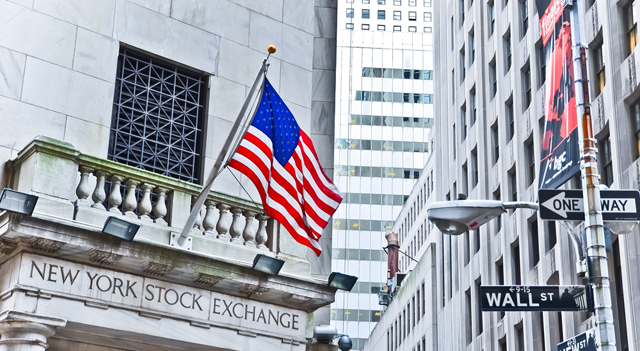
    The U.S. stock market closed at record highs on Friday, marking a dramatic recovery since early April when fears of a bear market loomed.

    The S&P 500 rose 0.5% to end at 6,173.07 — its first all-time high since February 19. The Nasdaq Composite also climbed 0.5%, notching its first record since December 16. The smaller Nasdaq 100, heavily weighted with tech giants, had already set a record earlier in the week.

    Friday’s rally nearly stalled late in the session after President Donald Trump announced the suspension of trade talks with Canada over a newly implemented digital services tax. He also signaled a new tariff on Canadian goods would be announced within a week. While that briefly rattled investors, markets regained momentum in the final hour of trading.

    The Dow Jones Industrial Average finished the day up 432 points, or 1%. Despite the gain, the index remains about 1,200 points, or 2.7%, below its own record high. Losses from major components like UnitedHealth (down 39% year-to-date), Apple, Merck, and Nike have weighed on the index.

    Still, all three major indexes — the Dow, S&P 500, and Nasdaq — posted their biggest weekly gains in six weeks.

    A Whirlwind Turnaround

    The S&P 500’s path back to record territory has been anything but smooth. From its February 19 high to the April 8 low, the index lost nearly $9.8 trillion in market value. Few expected it to fully recover just 80 days later.

    Much of the market volatility was tied to escalating trade tensions. President Trump’s tariff announcements, particularly the April 2 “Liberation Day” proclamation, saw tariffs spike to as much as 50% on dozens of countries. U.S. tariffs on Chinese goods reached over 145% on some products, effectively cutting off trade with the nation.

    However, market sentiment began to shift on April 9 when the administration announced a 90-day pause on those tariffs in response to warnings from financial markets. More recently, progress on trade agreements with the U.K. and China has helped restore investor confidence.

    “This was a self-inflicted crisis,” said Art Hogan, chief market strategist at B. Riley Wealth Management. “The sell-offs were unnecessary.”

    Investor sentiment also improved on Friday after China signaled it would reopen its rare earth exports to the U.S. The announcement followed word from the White House that a trade deal had been reached — a breakthrough after weeks of negotiations.

    Despite a 10% across-the-board tariff still in effect, along with sector-specific tariffs — 50% on steel and aluminum, 25% on autos and parts — markets have largely shifted their focus away from trade disputes.

    Treasury Secretary Scott Bessent said Friday that the U.S. aims to finalize trade agreements with as many as 10 to 12 key partners by Labor Day. He indicated negotiations are ongoing with 18 countries, though he did not name them.

    What’s Fueling the Rally?

    Much of the recent surge in stocks has been driven by enthusiasm around artificial intelligence. Explosive demand for Nvidia’s AI chips and efforts by Republicans to deregulate the industry have powered tech stocks higher. Hopes for interest rate cuts from the Federal Reserve, supported by solid economic data and subdued inflation, have also buoyed the markets.

    Even after concerns emerged from the House passing Trump’s sweeping tax cut and domestic policy bill, demand for Treasury bonds has remained robust — a sign of ongoing confidence in the U.S. economy.

    “Investors get it now,” said Hogan. “You’re going to hear something wild on Air Force One or on Truth Social, but everyone knows to take it with a grain of salt.”

    Caution Ahead

    While markets are currently riding high, risks remain.

    If Congress fails to pass the domestic policy bill — which includes raising the debt ceiling — the U.S. could face a potential debt default. Additionally, if no further trade deals are reached, tariffs could rise again after the current pause expires on July 9.

    Geopolitical tensions also linger. A fragile truce between Israel and Iran remains at risk, and existing tariffs may contribute to rising prices, threatening economic growth.

    There are subtler threats as well. Stock valuations are now stretched: the S&P 500’s price-to-earnings ratio has surged past 23, indicating that shares are expensive relative to earnings.

    Investors celebrated Friday’s milestone, but with challenges on the horizon, the market’s rally may face turbulence in the weeks ahead.

  • IG Group Unlocks £425 Million Through Capital Restructuring

    IG Group Unlocks £425 Million Through Capital Restructuring

    IG Group (LON: IGG) has successfully completed a capital reduction, unlocking over £425 million in reserves. This strategic move, approved by both shareholders and the UK High Court, enhances the broker’s financial flexibility without altering its share structure.

    The capital release was achieved by:

    • Cancelling a newly created class of deferred shares to free up £300 million from the merger reserve.
    • Reducing the share premium account by £125.7 million.
    • Trimming the capital redemption reserve by £3,501.

    These adjustments convert previously restricted reserves into distributable profits, enabling IG to pursue larger dividends, share buybacks, or potential acquisitions. The company is currently running a £200 million share buyback programme, expected to conclude next month.

    This financial manoeuvre follows IG’s recent £160 million acquisition of Freetrade and comes as the firm anticipates FY25 results to meet or exceed market expectations, driven by heightened trading activity amid market volatility.

    Founded in 1974 as IG Index, IG Group Holdings plc has grown from a niche gold speculation firm into one of the world’s leading online trading providers. Headquartered in London and listed on the London Stock Exchange (LSE: IGG), IG is a constituent of the FTSE 250 and serves over 300,000 clients across 19 countries.

    At its core, IG offers access to more than 19,000 financial markets, including forex, indices, equities, commodities, and cryptocurrencies. Its product suite spans contracts for difference (CFDs), spread betting, options, and traditional stockbroking. Through platforms like tastytrade in the U.S. and Spectrum Markets in Europe, IG caters to both retail and professional traders with a focus on speed, transparency, and education.

    The company’s growth has been fueled by strategic acquisitions, including the $1 billion purchase of tastytrade in 2021 and the £160 million acquisition of Freetrade in 2025. These moves have expanded IG’s reach into the U.S. and broadened its investment offerings, positioning it as a serious contender in the global retail investing space.

    In 2025, IG completed a capital restructuring that unlocked over £425 million in reserves, enhancing its ability to return capital to shareholders and pursue further M&A opportunities. This followed a £200 million share buyback programme and a consistent dividend policy, underscoring its strong balance sheet and cash-generative model.

    Despite its success, IG has faced challenges. Regulatory scrutiny, platform outages during high-volume periods, and legal disputes over client losses have tested its resilience. However, the firm has responded with improved risk controls, platform upgrades, and a renewed focus on client transparency.

    IG’s ESG strategy, branded “Brighter Future,” reflects its commitment to ethical operations, environmental responsibility, and community empowerment. It includes initiatives like educational funding and diversity-focused hiring, aligning the company’s long-term goals with broader societal impact.

    With a market cap of approximately £3.4 billion and a reputation for innovation, IG Group continues to shape the future of online trading — blending fintech agility with institutional-grade infrastructure.

    For a detailed comparison of brokers, you can check ADVFN Broker Listing.

  • U.S. Stocks Edge Higher as Investors Weigh Ceasefire, Trade Developments, and Inflation Data

    U.S. Stocks Edge Higher as Investors Weigh Ceasefire, Trade Developments, and Inflation Data

    U.S. stocks moved slightly higher on Friday, continuing their recent upward trend, supported by a stable ceasefire between Israel and Iran, signs of easing trade tensions, and new inflation data closely watched by the Federal Reserve.

    As of 9:32 a.m. ET, the Dow Jones Industrial Average was up 120 points (0.3%), the S&P 500 rose 15 points (0.3%), and the NASDAQ gained 60 points (0.3%). All three major indexes are on pace to close the week with solid gains.

    Cooling Inflation Helps Sentiment

    Market optimism was fueled by continued calm in the Middle East and an agreement between the U.S. and China to accelerate the shipment of rare earth materials—vital to a range of industries.

    Adding to the positive tone, White House Press Secretary Karoline Leavitt indicated that President Donald Trump may extend the current 90-day pause on reciprocal tariffs, reducing concerns about the administration’s trade policies.

    With geopolitical and trade tensions easing, investor attention has shifted back to the U.S. economy and how the Federal Reserve might respond.

    In May, the Fed’s preferred inflation measure—the personal consumption expenditures (PCE) price index—rose 0.1% month-over-month, in line with forecasts and April’s reading. Year-over-year, PCE increased 2.3%, slightly above the revised 2.2% gain in April.

    The core PCE index, which excludes food and energy prices, rose 0.2% monthly and 2.7% annually—both slightly higher than expected.

    “The slightly stronger core PCE is mildly hawkish compared to earlier, softer CPI and PPI data, but overall inflation remains stable,” analysts at Vital Knowledge wrote. “The Fed would likely be cutting rates now if not for ongoing tariff risks.”

    The future of interest rate policy remains uncertain as the Fed continues to evaluate how inflation and trade policy are interacting. For now, the central bank is taking a wait-and-see approach.

    Meanwhile, U.S. GDP contracted by 0.5% on an annualized basis in the first quarter—the economy’s first decline since 2022.

    Nike Shares Jump After Strong Earnings

    Nike (NYSE: NKE) stock rallied after the company reported fiscal Q4 results that beat Wall Street expectations. Executives said the financial drag from its restructuring efforts may have reached a low point.

    The company also announced plans to shift more of its manufacturing out of China and into the U.S. to reduce potential tariff-related costs.

    Bank Stocks in Focus as Fed Releases Stress Test Results

    The banking sector is also in the spotlight, with the Federal Reserve set to publish results of its annual stress tests later today. Analysts expect that most major banks will pass, demonstrating sufficient capital to weather a major downturn. This year’s test is expected to be less severe than in past years.

    Oil Prices Slide Despite Friday Rebound

    Crude oil prices rose slightly on Friday, but both Brent and WTI remain on track for their biggest weekly losses in over two years. The Israel-Iran ceasefire has reduced geopolitical risk, which had previously propped up oil prices.

    As of 9:32 a.m. ET, Brent crude was up 0.6% to $67.10 per barrel, while West Texas Intermediate (WTI) rose 1% to $65.91 per barrel. Both benchmarks are headed for weekly declines of around 12%—the steepest drop since March 2023.

  • EU Threatens Meta with Daily Fines Over Ad Model Dispute

    EU Threatens Meta with Daily Fines Over Ad Model Dispute

    Meta Platforms (NASDAQ:META) could soon face significant financial penalties from the European Union if its controversial advertising approach doesn’t meet regulatory standards. According to a report by Reuters on Friday, the European Commission has warned that Meta’s current “pay-or-consent” model may still violate the bloc’s strict digital competition rules.

    This latest warning follows a €200 million ($234 million) fine imposed on the social media giant just two months ago for non-compliance with the Digital Markets Act (DMA)—a sweeping law designed to curb the dominance of major tech firms in the EU market.

    The advertising framework in question, rolled out in late 2023, offers users on Facebook and Instagram two choices: agree to share personal data for targeted advertising or pay a monthly subscription to avoid data tracking. While Meta made tweaks to the system in early 2024 to restrict the scope of data usage, regulators remain skeptical.

    “The Commission cannot yet confirm whether the changes satisfy the key compliance requirements set out in its prior decision,” a Commission spokesperson told Reuters.

    Officials are currently evaluating Meta’s latest revisions and have stated that ongoing violations could lead to daily fines beginning June 27, 2025. These penalties could be steep—up to 5% of Meta’s global daily turnover, according to Reuters.

    In a separate report, Reuters also noted that Meta has pushed back against the EU’s regulatory stance. The company has accused the European Commission of shifting expectations and claimed that its business model is being unfairly singled out. Meta argued it has engaged in good faith with regulators and made meaningful efforts to comply.

    The showdown highlights the escalating tension between Big Tech firms and European authorities, as the EU continues to press for greater transparency and user control over digital data and targeted advertising.

  • U.S. Dollar Struggles as Euro Gains Strength; Inflation Data in Focus

    U.S. Dollar Struggles as Euro Gains Strength; Inflation Data in Focus

    The U.S. dollar traded slightly higher on Friday morning but continued to hover near multi-year lows, as cooling geopolitical risks and improving trade sentiment kept pressure on the greenback. Meanwhile, the euro remained in high demand, buoyed by stronger-than-expected inflation figures from the eurozone.

    Dollar Slips on Dovish Outlook and Easing Tensions

    As of 04:45 ET (08:45 GMT), the U.S. Dollar Index—which tracks the currency against six major counterparts—was up slightly at 96.770, yet it remained near levels not seen since March 2022. The index is poised for a monthly decline of about 1.5%, extending its losing streak to six consecutive months.

    Geopolitical developments contributed to the dollar’s weakness. The ceasefire between Israel and Iran has largely held, easing demand for safe-haven assets. On the trade front, U.S. Commerce Secretary Howard Lutnick announced that Washington and Beijing had finalized a trade agreement originally outlined last month in Geneva. While details are still scarce, Lutnick also hinted that a deal with India is nearly complete. Additionally, the European Union is reportedly considering reducing tariffs on certain American goods to speed up trade talks with President Donald Trump.

    Focus Shifts to the Fed and Economic Data

    Despite Federal Reserve Chair Jerome Powell’s cautious tone during his recent testimony before Congress, investors are increasingly betting on interest rate cuts this year. President Trump has renewed criticism of Powell and suggested a leadership change may be imminent, raising speculation that a more dovish Fed chief could soon be installed.

    As a result, markets are now pricing in around 64 basis points of rate cuts in 2025—up sharply from 46 basis points just one week ago. However, upcoming inflation data, particularly the core PCE price index, could influence these expectations. This key inflation measure is expected to offer more clarity on the central bank’s potential rate path.

    “The risks are tilted against the dollar,” analysts at ING wrote. “With the Fed’s cautious stance, pending inflation data, and ongoing trade developments, the greenback remains vulnerable to further declines.”

    Euro Strengthens as Eurozone Inflation Surprises to the Upside

    The euro climbed 0.2% to $1.1715, reaching its highest level since September 2021. Inflation data from France and Spain pointed to a potential shift in trend, reversing recent declines.

    France’s harmonised consumer price index rose 0.8% year-on-year in June, surpassing expectations and rebounding from the 0.6% print in May—the lowest since December 2020. Similarly, Spain’s EU-harmonised inflation edged higher to 2.2% from 2.0% in the previous month.

    While the market is waiting on Germany’s inflation report due Monday for a broader picture of the eurozone, ING noted that the EUR/USD pair could test the 1.20 level, though U.S. economic developments remain the dominant driver.

    The British pound also extended gains, with GBP/USD rising 0.1% to 1.3743, nearing its October 2021 high of 1.3770 touched earlier this week.

    Asian Currencies Mixed Amid Inflation and Trade News

    In Asia, the Japanese yen edged up slightly, with USD/JPY down 0.1% at 144.32. Softer-than-expected inflation data from Tokyo in June hinted at potential easing in nationwide price pressures, casting uncertainty over the Bank of Japan’s ability to continue raising interest rates.

    The Chinese yuan also saw modest movement, with USD/CNY up marginally to 7.1694. The pair showed little reaction to Lutnick’s announcement of a finalized U.S.-China trade deal, given the lack of concrete details.

  • Dow Jones, S&P, Nasdaq, US Futures Edge Higher Amid Market Optimism

    Dow Jones, S&P, Nasdaq, US Futures Edge Higher Amid Market Optimism

    Wall Street looked set for a positive open, with major index futures in the green. As of 03:33 ET, Dow Jones futures rose 149 points (0.3%), S&P 500 futures added 20 points (0.3%), and Nasdaq 100 futures gained 87 points (0.4%).

    The rise comes on the heels of growing optimism among investors. A ceasefire between Israel and Iran, holding steady since early in the week, has eased concerns of wider conflict in the Middle East. Additionally, U.S.-China relations appeared to stabilize, with both sides reportedly reaching an agreement to streamline the export of critical rare earth materials.

    There is also speculation that President Donald Trump may extend the current pause on reciprocal tariffs beyond the early July deadline, and even discussions around a possible new Federal Reserve chair with a more dovish stance have fueled market momentum.

    The U.S. dollar slid further, nearing a 3.5-year low and heading for its biggest weekly drop in over a month.

    PCE Inflation Report in Focus

    The main economic event of the day will be the Personal Consumption Expenditures (PCE) Price Index, the Fed’s preferred inflation gauge. Markets expect the core annual PCE reading for May to come in at 2.3%, with the monthly figure matching April’s 0.1% pace.

    Although the Fed has taken a cautious “wait-and-see” approach recently, policymakers are watching incoming data closely to assess the longer-term impact of tariffs on inflation. So far, evidence of inflationary pressure from tariffs has been limited, but central bankers are expected to remain on hold until data from the summer months offers greater clarity.

    Nike Shares Surge After Earnings Beat and Production Strategy Shift

    Nike (NYSE:NKE) shares rallied in after-hours trading following the company’s stronger-than-expected fiscal fourth-quarter earnings report.

    While revenue fell 12% to $11.1 billion, that was still better than the expected $10.72 billion. Nike also issued a relatively upbeat forecast, projecting only a mid-single-digit decline in first-quarter sales—less severe than analysts’ 7.3% projection.

    Nike executives warned that recent tariff policies could add $1 billion in additional costs, particularly since 16% of Nike’s footwear imports to the U.S. still originate in China. However, the company plans to reduce that share to a high-single-digit percentage by May 2026 by relocating more production to the United States.

    Despite an 86% drop in net profit to $211 million due to markdowns and inventory clearance, investors responded favorably to the company’s cost-cutting and sourcing shift strategies.

    Fed Stress Test Results Expected

    The Federal Reserve is also scheduled to release its annual bank stress test results today. Analysts expect all major lenders to pass, indicating sufficient capital buffers to withstand severe economic shocks.

    According to Wells Fargo analysts, the outcome could open the door for banks to increase lending, engage in more M&A activity, or return additional capital to shareholders through buybacks and dividends.

    The stress test, introduced after the 2008 financial crisis, remains a key tool for regulators in assessing financial stability among the largest U.S. banks.

    Oil Prices Edge Higher But Remain Down for the Week

    Crude oil prices nudged higher on Friday, although they remain on track for their worst weekly performance in over two years.

    As of 03:32 ET, Brent crude rose 0.7% to $67.14 per barrel, while West Texas Intermediate (WTI) gained 0.7% to $65.69 per barrel.

    Despite the modest gains, both benchmarks are down roughly 12% for the week. Traders have pared back the geopolitical risk premium after the Israel-Iran ceasefire held firm. A late-week bounce was supported by U.S. government data showing a drawdown in crude and fuel inventories, a sign of steady demand in the world’s largest economy.

  • JD Sports, Adidas, and Puma Surge After Nike Delivers Surprising Earnings Beat

    JD Sports, Adidas, and Puma Surge After Nike Delivers Surprising Earnings Beat

    Shares of JD Sports Fashion (LSE:JD.) surged over 7% on Friday in London, riding a wave of optimism following stronger-than-expected quarterly results from its top supplier, Nike (NYSE:NKE). The American sportswear giant offered a more resilient forecast than anticipated, easing investor concerns and igniting a broad rally in European athletic apparel stocks.

    Nike’s cautious outlook still beats the Street

    Nike surprised Wall Street by projecting a smaller-than-feared drop in revenue for the upcoming quarter, estimating a mid-single-digit percentage decline instead of the 7.3% fall expected by analysts, according to data from LSEG.

    The company also exceeded sales expectations for its fiscal fourth quarter. Despite a 12% year-on-year drop to $11.1 billion in revenue, the results were better than the anticipated 14.9% slide to $10.72 billion. In premarket U.S. trading, Nike shares surged more than 10%.

    European sportswear stocks follow suit

    The positive sentiment spilled over into European markets. Adidas AG (TG:ADS) and Puma SE (BIT:1PUM) shares gained between 4% and 6% in Frankfurt, with investors encouraged by Nike’s signal that its ongoing restructuring efforts are beginning to show results.

    Tariff impact and production reshuffling

    Nike executives, however, flagged potential headwinds from the Biden administration’s newest wave of China tariffs, inherited from earlier Trump-era policies. Chief Financial Officer Matthew Friend said the new duties could add up to $1 billion in additional costs for the company.

    China currently accounts for about 16% of Nike’s U.S. footwear imports, but Friend said the company is actively working to reduce this share to the “high single digits” by May 2026 by shifting manufacturing to other countries.

    Profit hit by markdowns; China still a weak link

    Nike’s net income plunged 86% to $211 million in the quarter, largely due to aggressive discounting and inventory liquidation strategies. China remains a challenge for the brand, with executives noting that recovery in the region is slower than anticipated amid tough competition and broader economic headwinds.

    To manage inflationary pressures, Nike has begun selectively raising prices in the U.S. and is also considering company-wide cost reductions.

    “We’re adjusting our global sourcing strategy to limit the financial impact of the latest tariffs,” Friend told investors. Inventory levels remained stable at $7.5 billion as of May 31, while marketing expenses increased 15% year-over-year.

  • FTSE 100 edges higher as trade optimism lifts sentiment; JD Sports surges on Nike results

    FTSE 100 edges higher as trade optimism lifts sentiment; JD Sports surges on Nike results

    U.K. stock markets opened higher on Friday, buoyed by growing optimism surrounding global trade developments, particularly a confirmed agreement between the U.S. and China.

    As of 07:28 GMT, London’s FTSE 100 index climbed 0.3%, while the pound added 0.1% against the dollar, trading just above $1.37. Continental European markets also advanced, with Germany’s DAX up nearly 1% and France’s CAC 40 leading the way with a 1.3% gain.

    Trade breakthrough fuels market enthusiasm

    Investor confidence received a boost after China’s Ministry of Commerce officially confirmed that a trade deal with the U.S., first outlined in London earlier this month, had been finalized. The pact, which builds on a previous consensus reached in Geneva, includes mutual concessions: China has agreed to streamline the approval process for certain exports, while the U.S. will withdraw some of its trade restrictions on Chinese goods.

    U.S. President Donald Trump alluded to the deal during a White House event on Thursday, though he refrained from disclosing specifics at the time.

    JD Sports rallies as Nike outperforms expectations

    On the corporate front, JD Sports Fashion (LSE:JD.) saw its shares rally sharply after Nike (NYSE:NKE) delivered upbeat fourth-quarter results. The American sportswear giant exceeded Wall Street forecasts, posting earnings per share of $0.14 on revenue of $11.1 billion.

    Nike’s strong performance reverberated across the European athletic apparel sector, lifting names like Adidas (TG:ADS) and Puma (BIT:1PUM). Investor sentiment improved further after Nike’s CEO expressed optimism over the company’s ongoing turnaround strategy, projecting a more stable outlook in the months ahead.

    Royal Mail to get new chairman

    Elsewhere, Czech billionaire Daniel Kretinsky is set to become the new chairman of Royal Mail, the British postal and parcel service. The announcement came via his investment vehicle, EP Corporate Group, on Friday.

    Heathrow lifts forecast on travel rebound

    Heathrow Airport has raised its revenue outlook for 2025, citing strong demand for long-haul travel, particularly among leisure passengers. The airport reported solid traffic figures for the first half of the year and claimed it had become Europe’s most punctual major hub. It continues to anticipate a 0.5% annual increase in passenger volume for next year.

    Unilever acquires Dr. Squatch in $1.5B deal

    According to the Financial Times, Unilever (LSE:ULVR) has agreed to buy U.S.-based men’s grooming brand Dr. Squatch for $1.5 billion from private equity firm Summit Partners. The deal marks another step in Unilever’s efforts to grow its premium personal care segment.

    Centrica eyeing stake in Sizewell C

    Energy supplier Centrica (LSE:CNA) is reportedly in talks to purchase a 15% stake in the Sizewell C nuclear power project, according to sources cited by the Financial Times. The move would deepen Centrica’s involvement in the U.K.’s energy transition and nuclear infrastructure.

    U.K. car output continues to fall

    In less upbeat news, U.K. automotive production registered its fifth consecutive monthly decline in May. Industry data released Friday showed continued weakness in the sector, with year-on-year output once again down amid ongoing supply chain pressures and global market uncertainties.

  • European Markets Climb Amid Improved Global Outlook; Key Inflation Figures Awaited

    European Markets Climb Amid Improved Global Outlook; Key Inflation Figures Awaited

    European stock markets closed the week on a positive note Friday, recovering from recent volatility driven by Middle East tensions and trade disputes.

    By 07:10 GMT, Germany’s DAX index had risen 0.8%, France’s CAC 40 gained 0.9%, and the UK’s FTSE 100 edged up 0.2%.

    Global Sentiment Strengthens

    Investor confidence is lifting globally, helped by a seemingly stable ceasefire between Israel and Iran, brokered earlier this week by U.S. President Donald Trump.

    Trade relations between the U.S. and China also showed early signs of easing. In a recent Bloomberg Television interview, U.S. Commerce Secretary Howard Lutnick confirmed that both countries have finalized a trade understanding initially agreed upon in Geneva last month, though details remain sparse. Lutnick added that the U.S. is also close to completing a trade agreement with India.

    Meanwhile, the European Union is reportedly considering reducing tariffs on certain U.S. imports to facilitate a quicker trade deal with the U.S., according to the Wall Street Journal. Despite the approaching July 9 deadline set by the White House for new trade agreements, press secretary Karoline Leavitt suggested the timeline “is not critical.”

    Focus on U.S. Inflation Data

    Market optimism was further supported by expectations of possible interest rate cuts from the Federal Reserve, amid weaker U.S. economic data and speculation of a more dovish Fed leadership ahead. Fed Chair Jerome Powell cautioned that rate reductions will wait until the inflation impact from tariffs is better understood, sparking criticism from President Trump, who has hinted at nominating Powell’s successor before his term ends in May 2026.

    The upcoming release of the core Personal Consumption Expenditures (PCE) price index—the Fed’s preferred inflation metric—is expected to provide fresh insight into the central bank’s policy direction.

    In Europe, inflation data showed French consumer prices increased by 0.9% year-over-year, surpassing the 0.7% forecast, while Spain’s inflation rate rose 2.2%, exceeding expectations of 2.0%.

    Corporate Moves: Akzo Nobel and Unilever

    On the corporate front, Akzo Nobel (EU:AKZA) announced it will sell its stake in an Indian subsidiary to JSW Group for approximately €1.4 billion. The proceeds will partly fund a share buyback program.

    Additionally, Unilever (LSE:ULVR) is acquiring U.S. men’s personal care brand Dr Squatch from private equity firm Summit Partners for $1.5 billion, according to the Financial Times.

    Oil Prices Rebound But Face Weekly Decline

    Oil prices edged up on Friday but are on course for their largest weekly drop in over two years, as easing geopolitical risks from the Israel-Iran ceasefire have reduced the risk premium in the market.

    At 03:10 ET, Brent crude futures rose 0.7% to $67.17 per barrel, while U.S. West Texas Intermediate crude climbed 0.8% to $65.76 per barrel.

    Despite this modest rise, both benchmarks are set for weekly losses near 12%, the steepest since March 2023, returning to pre-conflict price levels. The small gains toward the end of the week were supported by U.S. government data showing a drop in crude oil and fuel inventories, signaling sustained demand in the world’s largest economy.

  • Unilever Set to Acquire Men’s Grooming Brand Dr Squatch for $1.5 Billion

    Unilever Set to Acquire Men’s Grooming Brand Dr Squatch for $1.5 Billion

    Unilever PLC (LSE:ULVR) has reached an agreement to purchase the U.S.-based men’s personal care company Dr Squatch in a deal valued at approximately $1.5 billion, according to sources cited by the Financial Times on Friday.

    The acquisition was initially announced by Unilever on Monday, following negotiations with private equity firm Summit Partners, which previously owned Dr Squatch. However, Unilever did not disclose the purchase price at that time.

    Dr Squatch is recognized for its line of natural grooming products, including soaps, deodorants, and shampoos, which it markets directly to consumers through its online platform as well as via third-party retailers. The brand’s rapid growth has been fueled by viral advertising campaigns and endorsements from high-profile celebrities such as Sydney Sweeney and Mike Tyson.

    Unilever stated that the acquisition aligns with its strategy to broaden its premium personal care portfolio on a global scale. This move reflects the company’s ongoing shift away from slower-growing food divisions to focus more on personal care brands with higher profit margins. It also follows Unilever’s 2023 decision to exit the male grooming space by selling Dollar Shave Club.