
Category: Market News

  • U.S. dollar steadies near recent lows as housing data looms

    U.S. dollar steadies near recent lows as housing data looms

    After slipping for three consecutive days, the U.S. dollar stabilized Wednesday but remains close to its lowest point in two weeks, supported by improved risk sentiment following the U.S.-Japan trade agreement.

    At 04:10 ET (08:10 GMT), the Dollar Index—which measures the greenback against a basket of six currencies—held mostly steady at 97.110, just above its weakest mark since July 10.

    Since President Donald Trump announced his “Liberation Day” tariffs on April 2, the index has fallen more than 6%, reflecting growing global trade tensions.

    Dollar hovers near lows amid trade optimism

    The recent U.S.-Japan trade deal has lifted hopes of avoiding a full-scale global trade war and fueled expectations for additional agreements before upcoming tariff deadlines.

    In a Truth Social post, Trump noted, “a tariff rate of 15% was set on imports from Japan, down from the 25% rate that was expected to take effect from August 1,” and added, “the Asian nation will invest $550 billion in the United States.”

    Following Trump’s sweeping tariff announcements in April, the dollar has been one of the biggest losers, especially after many duties were delayed or suspended while the administration pursued bilateral deals.

    Market focus now shifts to upcoming U.S. housing figures ahead of next week’s Federal Reserve meeting.

    “The U.S. focus will be on the June existing home sales release,” ING analysts said in a note. “Some are thinking that the housing sector will be the next shoe to drop in the U.S. slowdown.”

    Euro dips slightly before ECB decision

    In European markets, EUR/USD edged down 0.1% to 1.1745, dipping slightly but still near a four-year high reached earlier this month.

    The euro has rallied over 13% this year as investors sought alternatives to U.S. assets.

    The European Central Bank is widely expected to keep rates unchanged on Thursday after eight straight cuts, with the threat of renewed U.S. tariffs looming.

    GBP/USD rose 0.2% to 1.3546, buoyed by the U.K.’s recent trade deal with the Trump administration.

    Political turmoil weighs on yen

    Meanwhile, USD/JPY gained 0.1% to 146.72, with the yen giving back earlier gains made after the U.S.-Japan trade deal amid rising political uncertainty in Japan.

    Washington and Tokyo agreed on a broad trade pact including a 15% tariff on Japanese imports, down from the previously proposed 25%.

    However, optimism faded after Japan’s Mainichi newspaper reported that Prime Minister Shigeru Ishiba intends to formally resign by the end of August.

    This decision follows growing internal criticism after the ruling Liberal Democratic Party’s coalition suffered losses in recent upper house elections.

    Elsewhere, AUD/USD climbed 0.5% to 0.6577 and USD/CNY eased 0.2% to 7.1629, as the trade deal sparked broader regional optimism.

    This content is for informational purposes only and does not constitute financial, investment, or other professional advice. It should not be considered a recommendation to buy or sell any securities or financial instruments. All investments involve risk, including the potential loss of principal. Past performance is not indicative of future results. You should conduct your own research and consult with a qualified financial advisor before making any investment decisions.

  • Oil Prices Rise on US-Japan Trade Deal Optimism and Drop in Crude Inventories

    Oil Prices Rise on US-Japan Trade Deal Optimism and Drop in Crude Inventories

    Oil prices climbed during Asian trading hours on Wednesday, boosted by optimism surrounding a fresh trade agreement between the U.S. and Japan, and further strengthened by data revealing a decline in U.S. crude oil stocks.

    At 22:07 ET (02:07 GMT), September Brent crude futures advanced 0.4% to $68.84 per barrel, while West Texas Intermediate (WTI) futures edged up 0.3% to $65.50 per barrel.

    After three consecutive sessions of declines amid tensions in U.S.-EU trade relations and growing concern over President Donald Trump’s looming tariff deadline on August 1, oil markets found renewed support.

    Trade Deal with Japan Improves Global Growth Prospects

    On Tuesday, President Trump revealed that Washington and Tokyo had reached a comprehensive trade deal featuring a 15% tariff on all imported Japanese products — down from an earlier proposed rate of 25%. The deal includes a significant $550 billion Japanese investment into the U.S. economy.

    This agreement opens up Japanese markets to U.S. exports such as automobiles, agricultural products, and energy goods, fueling optimism about global trade and demand expansion.

    It stands as the most consequential of several trade deals brokered by the White House ahead of the August 1 deadline, when increased tariffs on key trading partners were scheduled to come into effect.

    Market participants interpreted the agreement as a positive driver for global economic activity, which usually supports stronger crude demand.

    US Crude Inventories Fall After Previous Surge – API

    Adding to the positive trade developments, the American Petroleum Institute (API) reported an unexpected reduction of 577,000 barrels in U.S. crude oil inventories for the week ending July 18, reversing a prior build of 19.1 million barrels the week before.

    This drawdown suggests a potential recovery in fuel demand during the busy summer travel period.

    Gasoline stocks dropped by 1.2 million barrels, whereas distillate inventories—which include diesel and heating oil—increased by roughly 3.48 million barrels.

    “This will offer some relief to the middle distillate market, which has been looking increasingly tight,” ING analysts commented in a note.

    Investors await official inventory figures from the U.S. Energy Information Administration (EIA), scheduled for release later on Wednesday, closely monitoring for confirmation.

    This content is for informational purposes only and does not constitute financial, investment, or other professional advice. It should not be considered a recommendation to buy or sell any securities or financial instruments. All investments involve risk, including the potential loss of principal. Past performance is not indicative of future results. You should conduct your own research and consult with a qualified financial advisor before making any investment decisions.

  • DAX, CAC, FTSE100, European shares jump on trade deal optimism as UniCredit raises 2025 forecast

    DAX, CAC, FTSE100, European shares jump on trade deal optimism as UniCredit raises 2025 forecast

    European equity markets rallied strongly on Wednesday, buoyed by renewed investor optimism following the announcement of a trade agreement between the United States and Japan, alongside an active earnings season across the region.

    By 07:05 GMT, Germany’s DAX index had gained 0.8%, France’s CAC 40 climbed 1.3%, and the UK’s FTSE 100 increased 0.4%.

    Trade deal between U.S. and Japan fuels confidence

    Earlier in the day, U.S. President Donald Trump declared that his administration had secured a “massive deal” with Japan, imposing a 15% tariff on Japanese exports. Trump also highlighted that Japan would channel $550 billion in investments into the U.S., with “90% of the Profits” benefiting the American economy.

    Although the 15% tariff is lower than the 25% initially proposed by Trump, it still counters Tokyo’s previous insistence on being exempt from U.S. tariffs. The new levy is expected to come into effect on August 1, coinciding with the rollout of Trump’s other tariffs targeting major global economies.

    The announcement propelled Japan’s Nikkei index up over 3% to reach its highest point in a year. The positive sentiment has increased expectations that the U.S. and European Union might finalize a trade agreement before the looming August deadline, with EU representatives scheduled for further talks in Washington this week.

    UniCredit boosts 2025 outlook amid earnings season

    Across Europe, the quarterly earnings reporting season accelerated with several major companies releasing results.

    Italy’s UniCredit (BIT:UCG) exceeded profit expectations for the quarter and raised its forecast for 2025, following its withdrawal of a takeover bid for Banco BPM (BIT:BAMI), Italy’s second-largest bank.

    Renault (EU:RNO), the French automotive giant, recorded flat sales for the second quarter as a drop in van demand across Europe offset passenger car growth.

    French defense and aerospace firm Thales (EU:HO) raised its sales growth forecast for 2025 after reporting increased first-half sales and profits, benefiting from rising military spending in Europe.

    Norway’s energy company Equinor (TG:DNQ) reported a 13% year-on-year decline in second-quarter profit, weighed down by falling oil prices despite higher gas prices.

    German software giant SAP (TG:SAP) posted a strong second quarter supported by cost reductions but refrained from raising its full-year guidance, disappointing some investors.

    Meanwhile, investors in the U.S. are awaiting earnings later today from Tesla (NASDAQ:TSLA) and Alphabet (NASDAQ:GOOGL), parent company of Google, both key drivers of recent market gains fueled by AI optimism.

    Eurozone consumer confidence awaited

    Later in the session, market participants will focus on the release of June’s consumer confidence data for the eurozone, a key indicator ahead of the European Central Bank’s policy meeting on Thursday.

    Analysts broadly expect the ECB to maintain its main deposit rate at 2%, following a 25-basis-point cut last month—the eighth reduction in a year.

    Oil prices climb on trade deal and inventory drawdown

    Oil futures rose on Wednesday, supported by optimism over the U.S.-Japan trade deal and a notable drop in U.S. crude stockpiles.

    At 03:05 ET, Brent crude futures edged up 0.2% to $68.74 per barrel, while U.S. West Texas Intermediate crude rose 0.3% to $65.48 per barrel. Both benchmarks had fallen in the previous three sessions.

    Investors view the trade agreement as a boost to global economic activity, which typically leads to higher oil demand.

    Adding to the positive outlook, the American Petroleum Institute reported a surprise decrease of 577,000 barrels in U.S. crude inventories for the week ending July 18, reversing the previous week’s build of 19.1 million barrels.

    This inventory decline points to a possible rebound in fuel consumption during the busy summer travel period.

    This content is for informational purposes only and does not constitute financial, investment, or other professional advice. It should not be considered a recommendation to buy or sell any securities or financial instruments. All investments involve risk, including the potential loss of principal. Past performance is not indicative of future results. You should conduct your own research and consult with a qualified financial advisor before making any investment decisions.

  • European carmakers jump after U.S. unveils trade agreement with Japan

    European carmakers jump after U.S. unveils trade agreement with Japan

    European automotive stocks saw a notable rise on Wednesday, following a surge in their Asian counterparts, buoyed by news of a new trade agreement between the United States and Japan that raised hopes for a similar arrangement with the European Union.

    Shares of Stellantis (BIT:STLAM), the maker of Jeep and listed in Milan, climbed alongside German giants Volkswagen (TG:VOW3), Mercedes-Benz (TG:MBG), BMW (TG:BMW), and Porsche (BIT:1PORS). Renault (EU:REN) also experienced gains, despite reporting flat sales volumes in the second quarter.

    This upward momentum was fueled by sharp gains among Japanese automakers. Toyota Motor (NYSE:TM) led the charge with a 14% increase, while Honda Motor (NYSE:HMC) soared over 11%. Nissan (USOTC:NSANY) rose about 8%, and Mazda (TG:MZA) surged nearly 17%.

    South Korean manufacturers also benefited, with Hyundai Motor (USOTC:HYMTF) climbing 7.5% and Kia Corp (USOTC:KIMTF) up 8.5%, amid speculation that Seoul could secure trade terms similar to those agreed upon with Japan.

    These market moves followed President Donald Trump’s announcement that his administration had finalized a “massive deal” with Japan, which includes a 15% tariff. Notably, Japan’s critical auto sector—accounting for over 25% of its U.S. exports—will face this tariff rate.

    Trump stated that Japan would invest $550 billion in the U.S., from which the country “will receive 90% of the Profits.”

    “Japan will open their Country to Trade including Cars and Trucks, Rice and certain other Agricultural Products, and other things. Japan will pay Reciprocal Tariffs to the United States of 15%,” Trump wrote in a social media post.

    This agreement—among the most significant of several preliminary trade deals since Trump introduced higher tariffs in April—followed reports of Japan’s lead negotiator, Ryosei Akazawa, meeting with Trump at the White House on Tuesday.

    Though the 15% tariff is less than the 25% initially proposed by Trump, it still contradicts Tokyo’s earlier insistence on exemption from all U.S. tariffs.

    “The trade deal with the U.S. announced today removes a key downside risk to Japan’s economy,” Capital Economics analysts said in a client note. “We estimate that the net effect of today’s announcement will be a reduction in the average tariff rate faced by Japanese exporters in the US of around one percentage point.”

    Looking beyond Japan, the progress of talks with other major U.S. trading partners, including the European Union and India, remains uncertain as the August 1 deadline for Trump’s elevated “reciprocal” tariffs approaches.

    Nonetheless, “success in obtaining some agreement at this time hence should have a substantial effect in mitigating concerns about future uncertainty,” Jefferies analysts noted.

    This content is for informational purposes only and does not constitute financial, investment, or other professional advice. It should not be considered a recommendation to buy or sell any securities or financial instruments. All investments involve risk, including the potential loss of principal. Past performance is not indicative of future results. You should conduct your own research and consult with a qualified financial advisor before making any investment decisions.

  • Crypto.com Appoints Saxo Bank Veteran Nicolò Pagliari as Global VP of Growth and Media

    Crypto.com Appoints Saxo Bank Veteran Nicolò Pagliari as Global VP of Growth and Media

    In a strategic move that underscores the accelerating convergence between traditional finance and digital assets, Crypto.com has appointed Nicolò Pagliari as its new Global Vice President of Growth and Media, marking another high-profile talent acquisition from the CFD and retail brokerage sector.

    Pagliari, formerly Head of Marketing for Asia-Pacific at Saxo Bank, brings over seven years of experience in digital strategy and regional campaign leadership. His transition to Crypto.com reflects a broader industry trend: seasoned executives from legacy financial institutions are increasingly pivoting to crypto platforms and proprietary trading firms.

    Pagliari began his tenure at Saxo Bank in Copenhagen as a Digital Marketing Strategist, later relocating to Singapore to lead marketing efforts across Asia-Pacific. His appointment at Crypto.com follows a series of senior hires from traditional brokers, including Chris Old (ex-IG Group) as VP of Organic Growth, Kevin Algeo as Head of Capital Markets, and Alex Ratford as Partnerships Lead.

    In a LinkedIn post announcing his move, Pagliari described the opportunity as “one you can’t say no to,” citing Crypto.com’s ambitious global expansion and commitment to innovation. “The scale of international growth and product development is at a critical turning point,” he wrote, “and I’m energized to contribute to this phenomenal journey.”

    The appointment aligns with Crypto.com’s aggressive push into regulated financial products, including CFDs, stocks, and futures. Earlier this year, the company acquired a CySEC-licensed broker (formerly BrightFX), securing a MiFID license to operate across Europe. This mirrors similar moves by competitors like Kraken, which launched derivatives trading under MiFID II, and Coinbase, which acquired Deribit to bolster its derivatives footprint.

    Crypto.com now boasts over 140 million users globally, and Pagliari will spearhead user acquisition, media partnerships, and campaign development from his base in Singapore.

    Pagliari’s move is part of a growing migration of talent from traditional brokers to crypto and prop trading firms. A recent FYI study revealed that 40% of CFD brokers lack a marketing head, as competition for top-tier talent intensifies. Other notable transitions include:

    • Michael Kamerman joining FTMO’s brokerage division as CEO
    • Riana Chaili becoming COO after roles at IC Markets and TechFinancials
    • Yassin Mismar, Zoltan Nemeth, and Andreas Andreou pivoting to prop firms and crypto ventures

    Crypto.com President and COO Eric Anziani emphasized the strategic importance of Pagliari’s appointment: “His extensive experience in financial services and regulated markets will be instrumental in building a full-service, fully licensed suite of financial products.”

  • J D Wetherspoon Reports Sales Growth and Expansion Plans

    J D Wetherspoon Reports Sales Growth and Expansion Plans

    J D Wetherspoon (LSE:JDW) has reported a 5.1% increase in like-for-like sales over the past 12 weeks and year-to-date, driven by a strong recovery in sales volumes following the pandemic. The company experienced notable growth in wine, spirits, and draught volumes, alongside a significant rise in food sales—especially breakfasts and chicken dishes—which have surpassed pre-pandemic levels. Looking ahead, J D Wetherspoon plans to open 15 new managed pubs and an equal number of franchised pubs in the next financial year.

    The company’s stock is on a recovery trajectory, supported by improving financial performance and solid technical indicators. Strategic share buybacks and director share purchases signal management’s confidence in the company’s growth prospects. However, elevated leverage and moderate profitability remain potential risks.

    More about J D Wetherspoon

    J D Wetherspoon operates a network of pubs across the UK and Ireland, offering quality food and beverages at competitive prices. The company prides itself on well-trained staff and uniquely designed pubs that are meticulously maintained.

    This content is for informational purposes only and does not constitute financial, investment, or other professional advice. It should not be considered a recommendation to buy or sell any securities or financial instruments. All investments involve risk, including the potential loss of principal. Past performance is not indicative of future results. You should conduct your own research and consult with a qualified financial advisor before making any investment decisions.

  • Shield Therapeutics Doubles ACCRUFeR® Revenues in Q2 2025

    Shield Therapeutics Doubles ACCRUFeR® Revenues in Q2 2025

    Shield Therapeutics (LSE:STX) reported a substantial increase in Q2 2025 net revenues for its ACCRUFeR® product, which doubled from Q1 to $12.8 million. This growth was driven by higher prescription volumes and an improved average net selling price. The company’s cash position was strengthened through milestone payments from international partners, supporting its goal of achieving positive cash flow by the end of 2025. The strong uptake of ACCRUFeR® highlights its potential to become the leading oral iron therapy for patients with iron deficiency, enhancing Shield’s strategic market presence.

    Despite robust revenue growth and favorable corporate developments, Shield Therapeutics faces financial challenges. Technical indicators show upward momentum but suggest possible volatility ahead, while valuation metrics remain a concern.

    More about Shield Therapeutics

    Shield Therapeutics plc is a specialty pharmaceutical company at the commercial stage, focused on treating iron deficiency with its innovative ACCRUFeR®/FeRACCRU® (ferric maltol). This therapy is the first and only FDA-approved oral iron treatment for iron deficiency and anemia, featuring a unique absorption mechanism. Shield holds exclusive licensing agreements for ACCRUFeR® across key global markets including the U.S., Europe, China, and Japan.

    This content is for informational purposes only and does not constitute financial, investment, or other professional advice. It should not be considered a recommendation to buy or sell any securities or financial instruments. All investments involve risk, including the potential loss of principal. Past performance is not indicative of future results. You should conduct your own research and consult with a qualified financial advisor before making any investment decisions.
  • Hochschild Mining Posts Strong Q2 2025 Results Despite Mara Rosa Setbacks

    Hochschild Mining Posts Strong Q2 2025 Results Despite Mara Rosa Setbacks

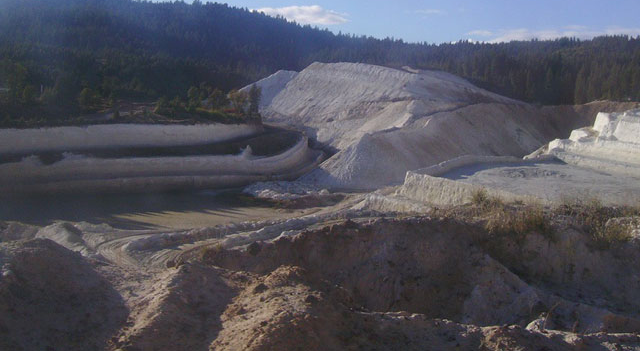
    Hochschild Mining (LSE:HOC) delivered solid operational results in Q2 2025, driven by strong production at its Inmaculada and San Jose mines. However, the company faced challenges at its Mara Rosa operation in Brazil, leading to a temporary suspension of the plant for process improvements and maintenance. Hochschild plans to provide a detailed update on Mara Rosa at its interim results scheduled for late August. Financially, the company reported increased cash reserves, lower net debt, and reaffirmed its commitment to ESG principles by joining the United Nations Global Compact.

    The outlook for Hochschild Mining is positive, supported by robust revenue growth, operational efficiency gains, debt reduction, and dividend reinstatement. While earnings volatility and operational risks persist, the company’s valuation remains reasonable, reflecting confidence in its long-term strategy.

    More about Hochschild Mining

    Hochschild Mining PLC is a precious metals miner specializing in gold and silver extraction. It operates key sites including the Inmaculada and San Jose mines and is advancing exploration and development projects such as Monte Do Carmo.

    This content is for informational purposes only and does not constitute financial, investment, or other professional advice. It should not be considered a recommendation to buy or sell any securities or financial instruments. All investments involve risk, including the potential loss of principal. Past performance is not indicative of future results. You should conduct your own research and consult with a qualified financial advisor before making any investment decisions.
  • Fresnillo Delivers Solid Gold Output Despite Safety Setbacks

    Fresnillo Delivers Solid Gold Output Despite Safety Setbacks

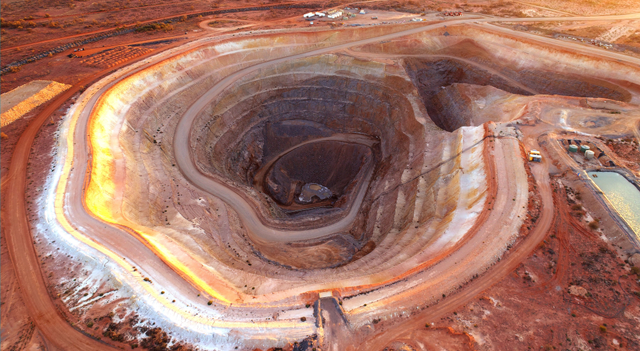
    Fresnillo PLC (LSE:FRES) posted strong silver and gold production results for Q2 2025, with gold output nearing the higher end of the full-year forecast. Although some mines experienced lower ore grades and mining activities at San Julián DOB were halted, gold production still rose by 1.0% quarter-on-quarter. Silver production, however, dropped 14.7% compared to the same period last year. The company also faced the tragic loss of two employees, leading to renewed emphasis on safety protocols.

    Looking ahead, Fresnillo maintains its 2025 production guidance for both silver and gold. The company’s robust financial position and healthy cash flow are bolstered by strong cost controls and strategic efforts. Technical indicators point to sustained momentum, although valuation concerns could temper further gains. Insights from recent earnings calls underline stable production and a focus on delivering shareholder value.

    More about Fresnillo

    Fresnillo PLC is a prominent precious metals miner with a primary focus on silver and gold extraction. Operating multiple mines across Mexico, the company prioritizes operational efficiency and cost management to drive production growth.

    This content is for informational purposes only and does not constitute financial, investment, or other professional advice. It should not be considered a recommendation to buy or sell any securities or financial instruments. All investments involve risk, including the potential loss of principal. Past performance is not indicative of future results. You should conduct your own research and consult with a qualified financial advisor before making any investment decisions.

  • CyanConnode Holdings Faces Revenue Drop Despite Robust Order Growth

    CyanConnode Holdings Faces Revenue Drop Despite Robust Order Growth

    CyanConnode Holdings (LSE:CYAN) reported a 24% revenue decline for the fiscal year ending March 2025, largely due to election-related uncertainty and consumer hesitation in India, its largest market. Nevertheless, the company’s order book surged to £180 million—tripling year-on-year—with a landmark £70 million contract awarded by the Government of Goa, highlighting strong demand for its technology solutions.

    To improve transparency, CyanConnode will start providing quarterly updates and has taken a cautious stance on future forecasts. Financially, the firm reduced its operating losses and improved gross margins thanks to cost-efficient product launches. Expansion efforts included establishing a UAE subsidiary and winning smart metering contracts in India, reinforcing its regional footprint.

    While CyanConnode shows promise through significant order growth and strategic expansions, ongoing profitability challenges and cash flow issues remain concerns. Technical signals point to a potential recovery, but valuation pressures persist due to the company’s continued losses.

    More about CyanConnode Holdings

    CyanConnode Holdings plc is a specialist provider of narrowband RF smart mesh network technology, serving smart metering and IoT markets globally. With a strong focus on India, the company has also broadened its reach into the Middle East and North Africa regions.

    This content is for informational purposes only and does not constitute financial, investment, or other professional advice. It should not be considered a recommendation to buy or sell any securities or financial instruments. All investments involve risk, including the potential loss of principal. Past performance is not indicative of future results. You should conduct your own research and consult with a qualified financial advisor before making any investment decisions.