Category: Market News

  • JD Sports, Adidas, and Puma Surge After Nike Delivers Surprising Earnings Beat

    JD Sports, Adidas, and Puma Surge After Nike Delivers Surprising Earnings Beat

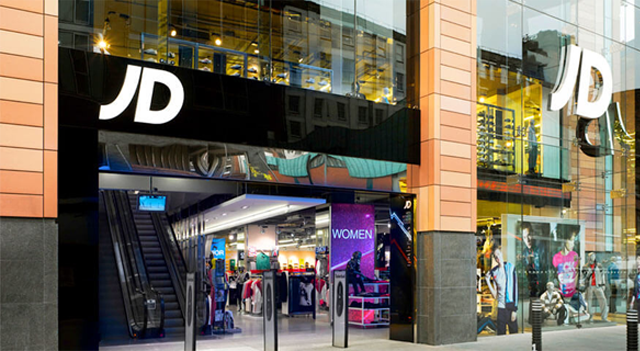
    Shares of JD Sports Fashion (LSE:JD.) surged over 7% on Friday in London, riding a wave of optimism following stronger-than-expected quarterly results from its top supplier, Nike (NYSE:NKE). The American sportswear giant offered a more resilient forecast than anticipated, easing investor concerns and igniting a broad rally in European athletic apparel stocks.

    Nike’s cautious outlook still beats the Street

    Nike surprised Wall Street by projecting a smaller-than-feared drop in revenue for the upcoming quarter, estimating a mid-single-digit percentage decline instead of the 7.3% fall expected by analysts, according to data from LSEG.

    The company also exceeded sales expectations for its fiscal fourth quarter. Despite a 12% year-on-year drop to $11.1 billion in revenue, the results were better than the anticipated 14.9% slide to $10.72 billion. In premarket U.S. trading, Nike shares surged more than 10%.

    European sportswear stocks follow suit

    The positive sentiment spilled over into European markets. Adidas AG (TG:ADS) and Puma SE (BIT:1PUM) shares gained between 4% and 6% in Frankfurt, with investors encouraged by Nike’s signal that its ongoing restructuring efforts are beginning to show results.

    Tariff impact and production reshuffling

    Nike executives, however, flagged potential headwinds from the Biden administration’s newest wave of China tariffs, inherited from earlier Trump-era policies. Chief Financial Officer Matthew Friend said the new duties could add up to $1 billion in additional costs for the company.

    China currently accounts for about 16% of Nike’s U.S. footwear imports, but Friend said the company is actively working to reduce this share to the “high single digits” by May 2026 by shifting manufacturing to other countries.

    Profit hit by markdowns; China still a weak link

    Nike’s net income plunged 86% to $211 million in the quarter, largely due to aggressive discounting and inventory liquidation strategies. China remains a challenge for the brand, with executives noting that recovery in the region is slower than anticipated amid tough competition and broader economic headwinds.

    To manage inflationary pressures, Nike has begun selectively raising prices in the U.S. and is also considering company-wide cost reductions.

    “We’re adjusting our global sourcing strategy to limit the financial impact of the latest tariffs,” Friend told investors. Inventory levels remained stable at $7.5 billion as of May 31, while marketing expenses increased 15% year-over-year.


  • FTSE 100 edges higher as trade optimism lifts sentiment; JD Sports surges on Nike results

    FTSE 100 edges higher as trade optimism lifts sentiment; JD Sports surges on Nike results

    U.K. stock markets opened higher on Friday, buoyed by growing optimism surrounding global trade developments, particularly a confirmed agreement between the U.S. and China.

    As of 07:28 GMT, London’s FTSE 100 index climbed 0.3%, while the pound added 0.1% against the dollar, trading just above $1.37. Continental European markets also advanced, with Germany’s DAX up nearly 1% and France’s CAC 40 leading the way with a 1.3% gain.

    Trade breakthrough fuels market enthusiasm

    Investor confidence received a boost after China’s Ministry of Commerce officially confirmed that a trade deal with the U.S., first outlined in London earlier this month, had been finalized. The pact, which builds on a previous consensus reached in Geneva, includes mutual concessions: China has agreed to streamline the approval process for certain exports, while the U.S. will withdraw some of its trade restrictions on Chinese goods.

    U.S. President Donald Trump alluded to the deal during a White House event on Thursday, though he refrained from disclosing specifics at the time.

    JD Sports rallies as Nike outperforms expectations

    On the corporate front, JD Sports Fashion (LSE:JD.) saw its shares rally sharply after Nike (NYSE:NKE) delivered upbeat fourth-quarter results. The American sportswear giant exceeded Wall Street forecasts, posting earnings per share of $0.14 on revenue of $11.1 billion.

    Nike’s strong performance reverberated across the European athletic apparel sector, lifting names like Adidas (TG:ADS) and Puma (BIT:1PUM). Investor sentiment improved further after Nike’s CEO expressed optimism over the company’s ongoing turnaround strategy, projecting a more stable outlook in the months ahead.

    Royal Mail to get new chairman

    Elsewhere, Czech billionaire Daniel Kretinsky is set to become the new chairman of Royal Mail, the British postal and parcel service. The announcement came via his investment vehicle, EP Corporate Group, on Friday.

    Heathrow lifts forecast on travel rebound

    Heathrow Airport has raised its revenue outlook for 2025, citing strong demand for long-haul travel, particularly among leisure passengers. The airport reported solid traffic figures for the first half of the year and claimed it had become Europe’s most punctual major hub. It continues to anticipate a 0.5% annual increase in passenger volume for next year.

    Unilever acquires Dr. Squatch in $1.5B deal

    According to the Financial Times, Unilever (LSE:ULVR) has agreed to buy U.S.-based men’s grooming brand Dr. Squatch for $1.5 billion from private equity firm Summit Partners. The deal marks another step in Unilever’s efforts to grow its premium personal care segment.

    Centrica eyeing stake in Sizewell C

    Energy supplier Centrica (LSE:CNA) is reportedly in talks to purchase a 15% stake in the Sizewell C nuclear power project, according to sources cited by the Financial Times. The move would deepen Centrica’s involvement in the U.K.’s energy transition and nuclear infrastructure.

    U.K. car output continues to fall

    In less upbeat news, U.K. automotive production registered its fifth consecutive monthly decline in May. Industry data released Friday showed continued weakness in the sector, with year-on-year output once again down amid ongoing supply chain pressures and global market uncertainties.

  • European Markets Climb Amid Improved Global Outlook; Key Inflation Figures Awaited

    European Markets Climb Amid Improved Global Outlook; Key Inflation Figures Awaited

    European stock markets closed the week on a positive note Friday, recovering from recent volatility driven by Middle East tensions and trade disputes.

    By 07:10 GMT, Germany’s DAX index had risen 0.8%, France’s CAC 40 gained 0.9%, and the UK’s FTSE 100 edged up 0.2%.

    Global Sentiment Strengthens

    Investor confidence is lifting globally, helped by a seemingly stable ceasefire between Israel and Iran, brokered earlier this week by U.S. President Donald Trump.

    Trade relations between the U.S. and China also showed early signs of easing. In a recent Bloomberg Television interview, U.S. Commerce Secretary Howard Lutnick confirmed that both countries have finalized a trade understanding initially agreed upon in Geneva last month, though details remain sparse. Lutnick added that the U.S. is also close to completing a trade agreement with India.

    Meanwhile, the European Union is reportedly considering reducing tariffs on certain U.S. imports to facilitate a quicker trade deal with the U.S., according to the Wall Street Journal. Despite the approaching July 9 deadline set by the White House for new trade agreements, press secretary Karoline Leavitt suggested the timeline “is not critical.”

    Focus on U.S. Inflation Data

    Market optimism was further supported by expectations of possible interest rate cuts from the Federal Reserve, amid weaker U.S. economic data and speculation of a more dovish Fed leadership ahead. Fed Chair Jerome Powell cautioned that rate reductions will wait until the inflation impact from tariffs is better understood, sparking criticism from President Trump, who has hinted at nominating Powell’s successor before his term ends in May 2026.

    The upcoming release of the core Personal Consumption Expenditures (PCE) price index—the Fed’s preferred inflation metric—is expected to provide fresh insight into the central bank’s policy direction.

    In Europe, inflation data showed French consumer prices increased by 0.9% year-over-year, surpassing the 0.7% forecast, while Spain’s inflation rate rose 2.2%, exceeding expectations of 2.0%.

    Corporate Moves: Akzo Nobel and Unilever

    On the corporate front, Akzo Nobel (EU:AKZA) announced it will sell its stake in an Indian subsidiary to JSW Group for approximately €1.4 billion. The proceeds will partly fund a share buyback program.

    Additionally, Unilever (LSE:ULVR) is acquiring U.S. men’s personal care brand Dr Squatch from private equity firm Summit Partners for $1.5 billion, according to the Financial Times.

    Oil Prices Rebound But Face Weekly Decline

    Oil prices edged up on Friday but are on course for their largest weekly drop in over two years, as easing geopolitical risks from the Israel-Iran ceasefire have reduced the risk premium in the market.

    At 03:10 ET, Brent crude futures rose 0.7% to $67.17 per barrel, while U.S. West Texas Intermediate crude climbed 0.8% to $65.76 per barrel.

    Despite this modest rise, both benchmarks are set for weekly losses near 12%, the steepest since March 2023, returning to pre-conflict price levels. The small gains toward the end of the week were supported by U.S. government data showing a drop in crude oil and fuel inventories, signaling sustained demand in the world’s largest economy.

  • Unilever Set to Acquire Men’s Grooming Brand Dr Squatch for $1.5 Billion

    Unilever Set to Acquire Men’s Grooming Brand Dr Squatch for $1.5 Billion

    Unilever PLC (LSE:ULVR) has reached an agreement to purchase the U.S.-based men’s personal care company Dr Squatch in a deal valued at approximately $1.5 billion, according to sources cited by the Financial Times on Friday.

    The acquisition was initially announced by Unilever on Monday, following negotiations with private equity firm Summit Partners, which previously owned Dr Squatch. However, Unilever did not disclose the purchase price at that time.

    Dr Squatch is recognized for its line of natural grooming products, including soaps, deodorants, and shampoos, which it markets directly to consumers through its online platform as well as via third-party retailers. The brand’s rapid growth has been fueled by viral advertising campaigns and endorsements from high-profile celebrities such as Sydney Sweeney and Mike Tyson.

    Unilever stated that the acquisition aligns with its strategy to broaden its premium personal care portfolio on a global scale. This move reflects the company’s ongoing shift away from slower-growing food divisions to focus more on personal care brands with higher profit margins. It also follows Unilever’s 2023 decision to exit the male grooming space by selling Dollar Shave Club.

  • Gold Prices Dip Near Four-Week Low as Israel-Iran Ceasefire Holds and Inflation Data Awaits

    Gold Prices Dip Near Four-Week Low as Israel-Iran Ceasefire Holds and Inflation Data Awaits

    Gold prices edged lower in Asian trading on Friday, approaching their lowest level in nearly a month, as the ongoing ceasefire between Israel and Iran eased geopolitical tensions and reduced demand for the safe-haven metal. Meanwhile, investors turned their attention to upcoming U.S. inflation data, which could influence the Federal Reserve’s interest rate decisions.

    Spot gold slipped 1% to $3,293.79 per ounce, marking its lowest since early June. August gold futures declined 1.2%, settling around $3,306.70 an ounce by early Friday (01:15 ET / 05:15 GMT). The metal is set to close the week with losses exceeding 2%, marking its second straight weekly decline and down nearly 6% from its late-April record high.

    Middle East Ceasefire Remains Stable, Inflation Data on Horizon

    The truce brokered by U.S. President Donald Trump between Israel and Iran appeared to hold through Thursday, diminishing concerns about regional conflicts and weakening gold’s traditional role as a refuge during crises.

    Market participants are now focused on the release of May’s Personal Consumption Expenditures (PCE) price index—the Federal Reserve’s preferred inflation indicator—expected later Friday. Forecasts anticipate a 0.1% monthly rise in both headline and core PCE figures, translating to annual increases of 2.3% and 2.6% respectively, slightly above last year’s levels.

    This follows Fed Chair Jerome Powell’s recent testimony to Congress, where he cautioned against premature interest rate cuts and highlighted that inflation pressures, especially those linked to tariffs, might be more persistent than anticipated.

    In a sharp response, President Trump criticized Powell and indicated he is considering “three or four” candidates to replace him, with reports suggesting a potential nomination could come as early as September.

    Commodity Prices Fall as Dollar Strengthens Slightly

    The U.S. Dollar Index gained 0.1% during Asian trading but remained near its lowest point in over three years. A firmer dollar tends to make dollar-denominated commodities like gold more expensive for overseas buyers, dampening their demand.

    Platinum futures dropped 1.3% to $1,392 per ounce, retreating from levels not seen in over a decade, though the metal still boasts a 32% gain for the month. Silver futures eased 0.6% to $36.38 an ounce.

    Meanwhile, copper prices showed mixed movement: London Metal Exchange copper futures declined 0.2% to $9,891.15 per ton, while U.S. copper futures edged slightly higher, trading near $5.06 per pound.

  • Oil Prices Edge Up Amid Easing Middle East Tensions, But Weekly Losses Remain Steep

    Oil Prices Edge Up Amid Easing Middle East Tensions, But Weekly Losses Remain Steep

    Oil prices climbed modestly in Asian markets on Friday, supported by signs of steady demand in the United States. However, both Brent and West Texas Intermediate (WTI) crude remain on track for sharp weekly declines after easing concerns over supply disruptions in the Middle East.

    As of 21:10 ET (01:10 GMT), Brent crude for August delivery gained 0.5%, trading at $68.07 per barrel, while WTI rose 0.5% to $65.57 per barrel.

    The recent boost to oil prices came partly from a significant drop in U.S. crude inventories, indicating robust domestic demand. Additionally, optimism about potential economic stimulus measures in China, the world’s largest oil importer, helped buoy market sentiment.

    A softer U.S. dollar—falling to its lowest point in over three years on Thursday—also lent support, fueled by growing speculation that the Federal Reserve may consider cutting interest rates. Investors are now awaiting new inflation data from the PCE price index later on Friday, which could influence the Fed’s next steps.

    Weekly Decline Exceeds 12% as Geopolitical Risks Subside

    Despite Friday’s modest gains, Brent and WTI futures have each dropped by more than 12% this week. The losses followed U.S. President Donald Trump’s announcement of a ceasefire agreement between Israel and Iran, which helped ease fears of supply interruptions in a region critical to global oil shipments.

    The ceasefire, initially uncertain, appeared stable by Friday morning. Trump also indicated that Iran might continue selling oil to China—a bearish factor for oil prices—and highlighted upcoming nuclear negotiations with Tehran scheduled for next week.

    Furthermore, Iran refrained from closing the Strait of Hormuz, a crucial shipping route, ensuring uninterrupted oil flows to Asian and European markets.

    Market watchers are now focusing on the outcomes of recent U.S. military strikes targeting Iran’s nuclear infrastructure. Early reports suggested these strikes had not fully halted Iran’s nuclear capabilities, though the White House disputed those claims.

    No Immediate Plans to Replenish U.S. Strategic Petroleum Reserve

    Adding to the pressure on oil prices, the Trump administration announced it does not intend to immediately refill the U.S. Strategic Petroleum Reserve (SPR). The reserve currently sits at its lowest level since the 1980s after substantial drawdowns by the Biden administration aimed at tempering gas prices amid the Russia-Ukraine conflict.

    With depleted SPR stocks, the U.S. has fewer emergency supplies available to counter sudden supply shocks or price spikes.

    Nevertheless, Trump has advocated for boosting U.S. oil production, a strategy that could help mitigate some risks associated with low reserve levels.

  • Caledonian Holdings Realizes Gains from Skillcast Stake Sale

    Caledonian Holdings Realizes Gains from Skillcast Stake Sale

    Caledonian Holdings PLC (LSE:CHP) has completed the sale of its entire holding in Skillcast Group PLC, netting approximately £266,901.63 in proceeds. This disposal has generated a profit for Caledonian and aligns with the company’s broader investment strategy. Skillcast, a provider of compliance software solutions, reported revenues of £13.2 million and a pre-tax profit of £0.5 million for the fiscal year ending 31 December 2024.

    Despite this successful exit, Caledonian Holdings continues to face financial challenges marked by ongoing losses and negative cash flow. The company benefits from having no debt, but limited revenue growth and weak valuation metrics present ongoing risks. Recent efforts to increase share capital signal potential for growth, yet the company’s outlook remains uncertain without clear earnings guidance or positive technical indicators.

    About Caledonian Holdings PLC

    Caledonian Holdings PLC is an investment firm listed on AIM, concentrating on opportunities within the financial services sector.

  • Brave Bison Accelerates Growth Through Strategic Acquisitions

    Brave Bison Accelerates Growth Through Strategic Acquisitions

    Brave Bison (LSE:BBSN) has made significant strides towards its strategic objectives during the first five months of 2025, completing four key acquisitions that strengthen its foothold in the marketing and technology sectors. Among these, Engage Digital Partners, Builtvisible, and The Fifth have broadened Brave Bison’s expertise in sports marketing, performance marketing, and influencer marketing. The upcoming acquisition of MiniMBA, expected to finalize in July 2025, represents the company’s largest deal so far and will introduce a new skills and capabilities division. This transaction is backed by a £13.5 million capital raise, with MiniMBA’s founder, Mark Ritson, joining as a strategic investor.

    Brave Bison’s growth outlook is underpinned by these acquisitions and strategic collaborations, enhancing its competitive position and future potential. While technical analysis indicates strong upward momentum, there are minor overbought signals suggesting cautious optimism. The company maintains solid financial health but needs continued revenue growth to sustain its progress.

    About Brave Bison

    Brave Bison is a global marketing and technology partner supporting brands across eight countries, including the UK, India, Australia, and Egypt. The company delivers performance-driven digital marketing and advertising technology via its brands Brave Bison, SocialChain, and Sport & Entertainment. It leverages proprietary platforms such as AudienceGPT and AdStudio to optimize campaigns and collaborates with major digital platforms like Google, Meta, and TikTok. SocialChain specializes in creative and social strategies, while the Sport & Entertainment division partners with international sports federations to shape digital initiatives.

  • Ascent Resources Increases Output from Utah Wells Following System Upgrade

    Ascent Resources Increases Output from Utah Wells Following System Upgrade

    Ascent Resources Plc (LSE:AST) has successfully restarted production at four wells located in the Wolf Point area of Utah after installing a new pressure gathering system. Initial output levels have exceeded the company’s projections, and additional efforts are underway to reactivate more wells, underscoring Ascent’s commitment to maximizing the efficiency of its current asset base.

    About Ascent Resources

    Ascent Resources Plc is an oil and gas company focused on exploring and producing hydrocarbons, with key operations in regions such as Utah and Colorado. The firm prioritizes enhancing production from existing wells to drive operational growth.

  • Eurasia Mining Appoints New Adviser and Advances Dual Listing Plans

    Eurasia Mining Appoints New Adviser and Advances Dual Listing Plans

    Eurasia Mining PLC (LSE:EUA) has announced the appointment of SPARK Advisory Partners Limited as its new Nominated Adviser, with OAK Securities stepping in to replace SP Angel as the company’s brokers. The firm is also approaching the final stages of securing a dual listing on the Astana International Exchange, with trading expected to begin shortly after the release of its 2024 annual results.

    This development represents a key milestone in Eurasia Mining’s broader strategy to expand its market presence and accelerate growth.

    About Eurasia Mining

    Eurasia Mining PLC is a mining company specializing in the extraction of precious metals such as iridium, osmium, palladium, platinum, rhodium, ruthenium, and gold.