Category: Market News

  • Gold prices retreat as higher yields and oil reshape Fed rate expectations

    Gold prices retreat as higher yields and oil reshape Fed rate expectations

    Gold moved lower on Tuesday as rising U.S. Treasury yields and higher crude prices coincided with increased expectations that the Federal Reserve could raise interest rates at its September meeting.

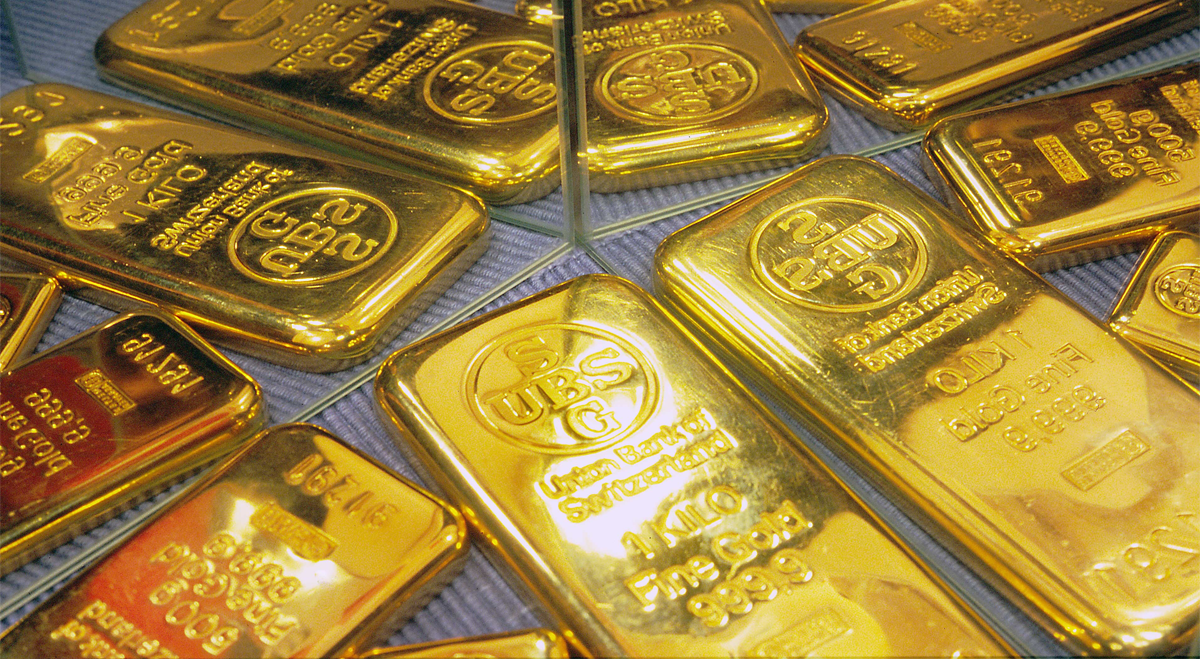
    At 04:46 ET (08:46 GMT), XAU/USD declined 1.6% to $4,377.84 an ounce, while gold futures fell 1.2% to $4,426.26. XAG/USD was down 2.4% at $64.98 an ounce and XPT/USD declined 1.2% to $1,774.70.

    The U.S. Dollar Index increased 0.2% to 99.59.

    September Fed rate expectations increase

    Gold has fallen approximately $320 from last week’s peak near $4,697. The decline has occurred alongside increases in oil prices and government bond yields.

    On Friday, gold dropped more than 3% after Federal Reserve Chair Kevin Warsh reiterated the central bank’s focus on returning inflation to its 2% target.

    CME FedWatch indicated that markets were assigning around a 66% probability to a 25-basis-point rate increase at the Fed’s September meeting, up from approximately 40% before Warsh’s Jackson Hole address.

    Oil prices have meanwhile moved higher following renewed military exchanges between the United States and Iran. Brent crude rose above $91 per barrel and U.S. crude traded above $86 as markets considered potential risks to energy supplies.

    The benchmark 10-year U.S. Treasury yield increased to around 4.78%, its highest level since early 2025, as government bond yields also rose across major global markets.

    Tony Sycamore, senior market analyst at IG, linked the approximately $300 decline in gold from last week’s high to Warsh’s more hawkish Jackson Hole comments and renewed tensions around the Strait of Hormuz.

    Sycamore said the combination of higher oil prices and rising bond yields had increased pressure on gold ahead of the Federal Reserve’s next meeting. He estimated that markets were pricing around 60 basis points of rate increases through June 2027.

    August rally remains part of gold’s broader performance

    The latest decline follows a gain of nearly 10% for gold during August, when the U.S. Treasury unexpectedly increased purchases of longer-dated government debt.

    Those purchases contributed to lower borrowing costs and a weaker dollar. Concerns about the level of U.S. government debt and the possibility of currency devaluation were also among the factors influencing demand for the precious metal.

    The debasement trade was one factor behind gold’s approximately 65% increase in 2025, as investors sought assets considered potential hedges against expanding government deficits and weaker currencies.

    Gold-backed exchange-traded funds recorded inflows, while central bank purchases also contributed to demand.

    Employment reports could provide further signals for Fed policy

    Gold continued to trade below its 200-day moving average, which stood near $4,526, after moving beneath the technical level following Warsh’s speech.

    Sycamore said the decline had not changed his medium-term view that gold established a base around the late-June low near $3,942. He continues to favour purchases during pullbacks and maintains a longer-term upside target of $5,000.

    Market attention will turn to job openings data, the ADP employment report and Friday’s nonfarm payrolls figures for additional information on U.S. labour market conditions ahead of the Federal Reserve’s September policy meeting.

  • Crude oil advances as U.S.-Iran tensions put Strait of Hormuz supplies in focus

    Crude oil advances as U.S.-Iran tensions put Strait of Hormuz supplies in focus

    Crude oil prices moved higher on Tuesday as renewed military activity involving the United States and Iran increased attention on potential supply disruptions in the Middle East.

    At 0739 GMT, Brent crude futures were up $1.18, or 1.3%, at $91.67 per barrel. U.S. West Texas Intermediate crude increased $1.27, or 1.48%, to $87.03.

    The increase followed comments from U.S. President Donald Trump on Monday indicating the possibility of additional strikes against Iran after the first direct exchange of attacks between the two countries since late July.

    “The tit-for-tat missile exchanges between the US and Iran bring validation to those who believe that even if not a ‘forever war’, this conflict will run and run,” PVM analyst John Evans said.

    Mediation efforts continue as Hormuz traffic remains reduced

    Iranian President Masoud Pezeshkian said Tuesday that Iran would respond immediately if the United States resumed compliance with its commitments under the interim peace agreement signed in June.

    Qatar and Oman are among the countries involved in mediation efforts aimed at reaching an agreement to reopen the Strait of Hormuz. The waterway accounted for approximately one-fifth of global oil supplies before the conflict began in late February.

    Kpler data showed around five visible commodity vessels passing through the strait per day on Monday, compared with an average of approximately 14 over the previous 10 days. None of the five vessels were liquid tankers.

    Shipping risks were also highlighted after the United Kingdom Maritime Trade Operations agency said a tanker reported being struck by three projectiles while leaving the Strait of Hormuz on Tuesday. No casualties or environmental effects were reported.

    “Despite satellite tracking firms suggesting oil flowing through Hormuz is around 6 million barrels per day, that is well below pre-conflict levels,” ANZ analysts said in a note.

    Oil inventories add to market considerations

    ANZ analysts also pointed to global oil inventories as a factor being monitored by the market.

    “In the meantime, the buffers the global oil market has been relying on are becoming exhausted. U.S. inventories are nearing minimum levels, while China’s ability to keep imports low will be tested as seasonal demand picks up.”

    The combination of reduced shipping activity through the Strait of Hormuz and inventory levels remains among the factors being assessed by crude markets.

    Analysts surveyed by Reuters in August expect oil prices to remain above $80 per barrel during 2026 as shipping disruptions continue.

  • U.S. stock futures little changed as oil and global bond yields remain in focus: Dow Jones, S&P, Nasdaq, Wall Street

    U.S. stock futures little changed as oil and global bond yields remain in focus: Dow Jones, S&P, Nasdaq, Wall Street

    U.S. equity futures traded close to unchanged levels early Tuesday as markets monitored the outlook for interest rates, higher crude prices and renewed military activity involving the United States and Iran.

    Investors were also assessing a rise in Japanese government bond yields ahead of several U.S. economic releases, including labour market and manufacturing data.

    Wall Street futures flat ahead of economic releases

    At 03:40 ET, futures linked to the S&P 500, Nasdaq 100 and Dow were broadly unchanged.

    The moves followed declines on Wall Street in the previous session, when higher U.S. Treasury yields and rising oil prices formed part of the market backdrop.

    Attention is turning towards Friday’s nonfarm payrolls report, which will provide another measure of U.S. labour market conditions ahead of the Federal Reserve’s September policy decision.

    Tuesday’s calendar includes the July Job Openings and Labor Turnover Survey and the ISM manufacturing index.

    Japanese 10-year yield moves above 3%

    Japan’s benchmark 10-year government bond yield climbed above 3% on Tuesday, reaching that level for the first time since September 1996.

    The yield has more than tripled since 2024 as the Bank of Japan has shifted away from its previous ultra-loose monetary policy.

    Investors are also monitoring the effect of higher energy costs on Japanese inflation and the potential implications for future Bank of Japan interest rate decisions.

    Higher yields on Japanese government debt could affect the relative attractiveness of overseas assets for domestic investors, although the extent of any resulting changes to investment allocations remains uncertain.

    Brent trades above $91 as markets monitor Strait of Hormuz

    Crude prices extended their gains on Tuesday amid continued military exchanges involving the United States and Iran.

    At 01:02 ET, Brent crude futures were 1.1% higher at $91.51 per barrel, while WTI futures rose 1.4% to $86.99. Both benchmarks had advanced nearly 3% in the previous session.

    The latest developments followed U.S. strikes against Iranian military targets on Larak Island and subsequent Iranian missile attacks on U.S. military facilities in Jordan.

    President Donald Trump has also raised the possibility of further military action against Iran.

    Markets are monitoring the developments for their potential effect on energy supplies and shipping through the Strait of Hormuz.

    Tanker incident adds to shipping concerns

    The Strait of Hormuz remains a focus because of the volume of crude oil and petroleum products transported through the waterway.

    According to the United Kingdom Maritime Trade Operations agency, a tanker was struck by three unidentified projectiles while leaving the strait on Monday.

    The duration and scale of any disruption to commercial shipping remain uncertain. Any sustained reduction in energy shipments through the waterway could affect global oil supplies and prices.

    Higher energy prices could also contribute to inflation through transportation, production and consumer energy costs.

    U.S. labour and manufacturing data in focus

    Investors will receive the July JOLTS job openings report and ISM manufacturing index later Tuesday.

    Federal Reserve Governor Michael Barr is also scheduled to speak.

    Markets are assessing the possibility of another interest rate increase after Federal Reserve Chair Kevin Warsh recently adopted a more hawkish tone.

    Tuesday’s releases and Friday’s nonfarm payrolls report will provide additional economic information ahead of the Federal Reserve’s September interest rate decision.

  • European stocks trade flat as bond yields rise and Middle East conflict continues: DAX, CAC, FTSE100

    European stocks trade flat as bond yields rise and Middle East conflict continues: DAX, CAC, FTSE100

    European equities were broadly unchanged on Tuesday as investors assessed higher global bond yields, developments in the Middle East and economic data scheduled for release later in the day.

    The pan-European STOXX 600 traded flat, while Germany’s DAX declined 0.6% and France’s CAC 40 gained 0.1%. London’s FTSE 100 fell 0.4%.

    Energy producers benefited from higher commodity prices, while other sectors traded lower amid rising sovereign borrowing costs and concerns about the potential inflationary effects of higher energy prices.

    Japanese government bond yields reach generational high

    Fixed-income markets remained a focus after the yield on Japan’s benchmark 10-year government bond rose to its highest level in a generation.

    U.S. Treasury and European sovereign bond yields also increased as investors adjusted interest-rate expectations amid inflation concerns and government debt issuance.

    Higher yields affected rate-sensitive sectors including technology, real estate and high-dividend utilities, as investors assessed the impact of higher discount rates on equity valuations.

    Markets assess further U.S.-Iran military exchanges

    Geopolitical developments also remained in focus following further military exchanges involving the United States and Iran.

    Iran launched overnight missile strikes targeting two U.S. military bases in Jordan following U.S. strikes against Iranian targets earlier in the week.

    U.S. President Donald Trump subsequently raised the possibility of additional military action against Iranian infrastructure.

    Energy commodity prices increased as markets assessed the potential impact of continued military activity on supplies and commercial shipping through the Strait of Hormuz.

    Eurozone inflation and U.S. JOLTS data awaited

    Investors were also awaiting August eurozone Consumer Price Index data, with the figures expected to provide further information on underlying inflation ahead of the European Central Bank’s policy meeting next week.

    Market participants were assessing the possibility of another 25-basis-point interest rate increase from the ECB, although the decision remains subject to incoming economic data and the central bank’s assessment.

    In the United States, the July Job Openings and Labor Turnover Survey is also due, providing additional information on labour market conditions ahead of Friday’s nonfarm payrolls report and the Federal Reserve’s September policy decision.

    Across regional markets, industrial, automobile and consumer stocks were among the areas facing pressure. The FTSE 100 recorded a smaller decline than Germany’s DAX, with energy and mining companies accounting for a substantial proportion of the UK benchmark.

  • Blencowe Resources reports Orom-Cross graphite used in Mach 5.5 rocket test

    Blencowe Resources reports Orom-Cross graphite used in Mach 5.5 rocket test

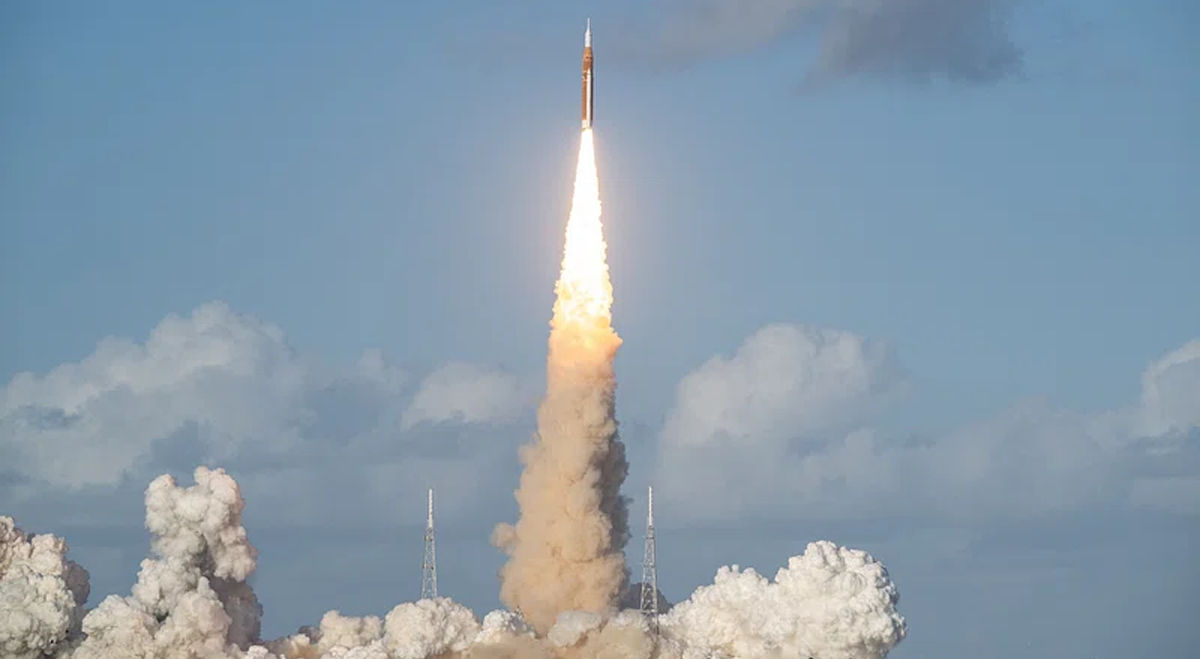
    Blencowe Resources (LSE:BRES) reported that graphite from its Orom-Cross Project in Uganda was used across several components of a hypersonic rocket that reached Mach 5.5 during a U.S. test programme.

    The flight took place on August 18 in Las Cruces, New Mexico, and was conducted by Pluto Aerospace alongside American Energy Technologies Co (AETC), Purdue University and U.S. Government Agencies. Blencowe Chief Operating Officer Iain Wearing attended the test.

    The solid-fuel rocket reached acceleration approaching 150G, an increase from the performance recorded during an earlier test programme in April.

    Orom-Cross graphite tested across multiple rocket components

    Graphite supplied from Orom-Cross was incorporated into an ablative rocket nozzle insert, anti-friction and ice-phobic coatings applied to the rocket’s fins, and the lithium-ion battery used to power the vehicle’s altimeter.

    AETC manufactured graphite mouldings for rocket and missile exhaust nozzles using Orom-Cross concentrates supplied by Blencowe. The material replaced a proportion of the synthetic graphite typically used in these applications.

    The lithium-ion battery incorporated natural graphite supplied by Blencowe alongside recycled graphite produced through AETC’s direct recycling process. According to the company, the battery contained no synthetic graphite.

    The August flight used a substantially larger motor than the rocket tested in April. Further orbital testing is planned for the fourth quarter of 2026.

    Blencowe continues testing Orom-Cross graphite applications

    Blencowe said the testing programme is examining the potential use of Orom-Cross graphite in specialist aerospace and defence applications as the company advances the project towards production.

    The company said successful qualification in these applications could create opportunities for additional offtake relationships and strategic funding, although no new agreements were announced in the supplied information.

    Blencowe Executive Chairman Cameron Pearce said: “These results continue to highlight the emergence of Orom-Cross graphite as an important source of high-quality graphite products for use in military and aerospace applications. There are relatively few graphite projects worldwide capable of supplying the quality of products required for these specialist applications, which may open new offtake relationships and strategic opportunities and places Orom-Cross in a strong position moving forward as we advance towards first production.”

    “As we complete funding for P1 Production and move to building the first stage of operations, we are continuously testing new products and adding new offtakers, each of which builds further value within the Project. Our strategy is to differentiate Orom-Cross from other graphite projects by targeting the most lucrative markets available to us, through both our products and strategic relationships.”

  • Market Open: Alien Metals Funding, Futura Medical Partner

    Market Open: Alien Metals Funding, Futura Medical Partner

    FTSE opens flat as bond and Middle East risks weigh, while Alien Metals secures exploration funding and Brent crude moves higher.

    Market Overview

    The FTSE 100 opened broadly unchanged at 10,824.60, as London markets returned from the bank holiday amid pressure from a global bond sell-off and renewed Middle East tensions. The Euronext 100 gained 0.06 per cent to 1,916.51, while Germany’s DAX fell 0.29 per cent to 26,181.16. In the US, the Nasdaq closed lower at 26,370.89 and the S&P 500 declined to 7,686.14. Higher borrowing costs and renewed geopolitical concerns weighed on broader risk appetite.

    Commodity markets reflected renewed concerns over Middle East supply disruption, with Brent crude moving higher alongside copper, gold and natural gas. Bitcoin was unchanged against sterling. The US dollar, Swiss franc, euro and Japanese yen weakened marginally versus the pound, while the Australian dollar strengthened slightly. Oil markets remained focused on renewed US-Iran fighting and risks to shipping through the Strait of Hormuz.


    Market Numbers

    FTSE 100: Up (0.001%), 10,824.60
    Euronext 100: Up (0.06%), 1,916.51
    DAX: Down (-0.29%), 26,181.16
    NASDAQ: Down, 26,370.89
    S&P 500: Down, 7,686.14


    In the Headlines

    Exploration funding – Alien Metals (LSE:UFO)
    Alien Metals’ joint venture partner West Coast Silver has secured commitments to raise A$6 million for further exploration at the Elizabeth Hill Silver Project. The funding supports additional drilling and technical work while Alien retains its 30% free-carried project interest and equity exposure to West Coast Silver.

    New U.S. partner – Futura Medical (LSE:FUM)
    Futura Medical reported first-half revenue of £1.62 million and appointed Market Performance Group as its new U.S. commercial partner for Eroxon. The consumer healthcare company is reshaping its U.S. commercial strategy while seeking further funding and partnerships to support its operations and product pipeline.


    Currencies (vs GBP)

    USD: Down (-0.01%), $1.3549
    CHF: Down (0.00%), Fr.1.0952
    EUR: Down (0.00%), €1.1662
    JPY: Down (0.00%), ¥216.443
    AUD: Up (0.00%), $1.8894
    Bitcoin (BTC/GBP): Unchanged, £58,067.58


    Commodities

    Copper: Up
    Gold: Up
    Brent Crude: Up
    Natural Gas: Up

  • London stocks fall as bond yields rise and Middle East conflict continues: FTSE100

    London stocks fall as bond yields rise and Middle East conflict continues: FTSE100

    UK equities traded lower on Tuesday as London markets reopened following the bank holiday weekend, with investors assessing higher global bond yields, developments in the Middle East and domestic shop price inflation data.

    The FTSE 100 fell 0.3% to around 10,798 points, following declines across European equity markets during Monday’s session, when UK markets were closed.

    Higher oil prices provided some support for energy companies including Shell and BP, while housebuilders, consumer stocks and mining companies traded lower.

    Global bond yields move higher

    Moves in fixed-income markets formed part of the backdrop for Tuesday’s equity trading, with the benchmark 10-year Japanese government bond yield reaching a generational high.

    U.S. Treasury and European borrowing costs also increased following comments from Federal Reserve Chair Kevin Warsh at the Jackson Hole symposium on Friday.

    Higher bond yields can affect the relative valuation of equities by increasing the returns available on fixed-income assets and raising borrowing costs.

    Brent crude approaches $91 amid Middle East developments

    Investors were also monitoring developments involving the U.S. and Iran following military exchanges over the extended weekend.

    U.S. forces carried out strikes against Iranian rocket launchers on Larak Island in the Strait of Hormuz, followed by Iranian missile strikes against U.S. military bases in Jordan.

    Brent crude moved towards $91 per barrel as markets assessed the potential impact of the conflict on shipping through the Strait of Hormuz.

    The increase in oil prices supported shares of some energy companies while adding to market attention on the potential effect of higher energy costs on inflation.

    Bunzl gains following half-year results

    Among individual London-listed companies, Bunzl (LSE:BNZL) rose 1.8% after the distribution and services group reported its half-year financial results.

    The company was among the gainers in a session in which the FTSE 100 traded moderately lower.

  • Ashtead Technology reports lower first-half earnings as revenue rises 1.1%

    Ashtead Technology reports lower first-half earnings as revenue rises 1.1%

    Ashtead Technology (LSE:AT.) reported revenue of £100.2 million for the first half of 2026, up 1.1% from £99.1 million a year earlier and 1.7% higher at constant currency.

    Growth in Europe was partly offset by previously reported disruption in the Middle East and lower offshore renewables activity in Asia. Revenue from oil and gas increased 1.9%, while renewables revenue declined 1.6%.

    Adjusted EBITA fell 7.3% to £25.1 million from £27.0 million, with the adjusted EBITA margin decreasing to 25.0% from 27.3%. The company attributed the change to revenue mix and higher depreciation following recent capital expenditure.

    Profit before tax declines to £17.5 million

    Operating profit decreased 5.9% to £21.8 million, while profit before tax declined 1.5% to £17.5 million.

    Adjusted basic earnings per share were 20.6p, down 5.9% from 21.9p in the corresponding period.

    Return on invested capital declined to 20.5% from 24.2%, a reduction of 369 basis points. The company said the return remained above its cost of capital.

    Net debt falls to £116.7 million

    Ashtead Technology reported net debt of £116.7 million, compared with £131.9 million previously, while leverage decreased to 1.4 times from 1.7 times.

    The company expects leverage to be approximately 1.3 times by the end of 2026.

    Ashtead said its addressable market is projected to grow at a compound annual growth rate of 6% to $3.4 billion by 2029, supported by customer backlogs and its pipeline of potential opportunities.

    “The company remains well positioned to navigate near-term market headwinds arising from the current geopolitical situation in the Middle East and continues to position itself to capture the longer-term opportunities as they arise,” Ashtead said in the release.

  • WPP plans up to 1,000 additional job cuts by year-end, FT reports

    WPP plans up to 1,000 additional job cuts by year-end, FT reports

    WPP (LSE:WPP) plans to cut up to 1,000 additional jobs by the end of 2026 as part of a restructuring programme under chief executive Cindy Rose, according to a Financial Times report published Tuesday.

    The British advertising group also plans to sell non-core businesses and reduce its property footprint as part of the changes, the report said.

    The latest planned reductions would follow approximately 11,000 job cuts made by WPP since the beginning of 2025.

    WPP workforce stood at 97,388 in June

    WPP employed 97,388 people as of June 30, 2026, according to the Financial Times, which cited people familiar with the company’s plans.

    The reported restructuring comes as advertising companies adjust their operations amid reduced client spending and increased use of artificial intelligence tools for certain tasks.

    WPP’s programme is expected to use AI as part of efforts to change its cost structure and operations.

    London property footprint set to be reduced

    WPP is also working to lower property-related expenses, according to the report.

    The company currently operates from three separate buildings on the south side of the River Thames in London. These operations are expected to be consolidated into two locations.

    The planned workforce reductions, property consolidation and disposal of non-core businesses form part of the restructuring measures reported by the Financial Times.

  • Bodycote shares rise 4.5% after agreeing Veritas Capital takeover

    Bodycote shares rise 4.5% after agreeing Veritas Capital takeover

    Bodycote (LSE:BOY) shares rose 4.5% to 953.85p during Tuesday’s session after the company agreed to a cash takeover by U.S. private equity firm Veritas Capital.

    Under the agreement, Veritas will acquire the Macclesfield-based heat treatment specialist for 940 pence per share in cash. Bodycote’s board has unanimously recommended the offer to shareholders.

    The transaction, which will be carried out through Veritas’s Vulcan Alpha Bidco vehicle, values Bodycote’s equity at approximately £1.65 billion and the company at around £1.85 billion including debt.

    Veritas raises offer from earlier indicative proposal

    The formal 940p-per-share offer is above the indicative proposals disclosed in early August, when Veritas and rival bidder CVC Advisers had submitted conditional proposals of approximately 914p to 915p per share.

    The takeover agreement was announced on the deadline set by the UK Takeover Panel under Rule 2.6(a) of the City Code on Takeovers and Mergers, by which Veritas and CVC Advisers were required to announce a firm intention to make an offer or state that they did not intend to proceed.

    Bodycote shares traded above the agreed 940p offer price following the announcement.

    Bodycote reaches 52-week high

    The shares reached an intraday 52-week high of 957p, compared with the agreed acquisition price of 940p.

    The move came as broader equity markets traded lower, with the S&P 500 down 0.4% and the Nasdaq declining 0.8%. The FTSE 250, of which Bodycote is a constituent, also traded against a cautious market backdrop.

    The takeover announcement and the increase from Veritas’s previous indicative proposal were the principal company-specific developments accompanying Tuesday’s rise in Bodycote shares.