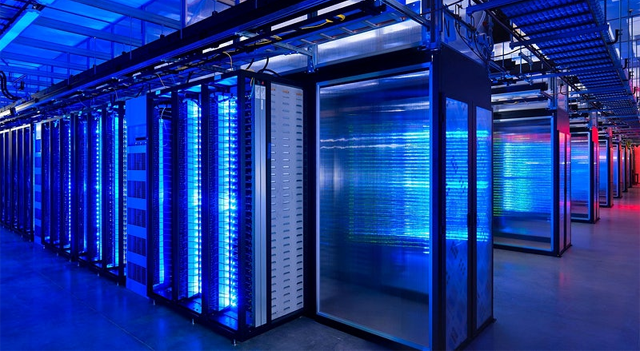
Rising energy needs in data centers are expected to drive significant growth in the global power equipment sector, with the segment tied to data centers projected to double over the next five years.
Tommy Leong, former senior vice president at Schneider Electric (EU:SU), shared insights during an expert call with Bank of America, highlighting artificial intelligence as a major growth driver. He also predicts that the broader power equipment market could see its size double within the next decade.
“The expert is positive on demand from AI, and he estimates the data center-related power equipment market size to double in the next 5 years,” BofA said, noting that rising AI demand is putting pressure on supply chains.
European multinational suppliers are currently facing lead times of 12 to 24 months, compared to 6 to 12 months for Chinese competitors. Meanwhile, transformer prices have surged 50% over the past five years, fueled by both demand growth and volatile commodity prices. This trend is opening doors for Chinese manufacturers to gain market share, a dynamic Leong expects to persist over the next five to ten years.
The evolution of the market is also influenced by higher standards in artificial intelligence data centers (AIDC). Tier-4 facilities, which dominate the premium segment, allow just 10 minutes of annual downtime and require complete redundancy. By comparison, tier-3 centers can tolerate up to 30 minutes of downtime with less stringent redundancy.
Such high standards are increasing demand for dry-type transformers, gas-insulated switchgear, and other power quality solutions. While North America remains the largest source of demand, Leong sees growing interest in the Middle East and anticipates eventual expansion across Asia.
“Currently, data centers in Southeast Asia still mainly focus on cloud computing instead of AI,” BofA notes.
In Southeast Asia, Leong identifies three market tiers: optimum, medium, and minimum. European and U.S. companies dominate the high-end optimum segment, while Japanese and Korean suppliers excel in the medium tier. Chinese firms, historically focused on the lowest tier, are now making inroads into the medium segment due to tight supply and rising demand.
Leong emphasizes that the top-tier segment remains difficult to enter because of strict regulations, certification requirements, and customization needs.
Beyond Southeast Asia, Chinese companies are also gaining ground in the Middle East and Belt and Road regions, often supported by engineering, procurement, and construction (EPC) projects.
This content is for informational purposes only and does not constitute financial, investment, or other professional advice. It should not be considered a recommendation to buy or sell any securities or financial instruments. All investments involve risk, including the potential loss of principal. Past performance is not indicative of future results. You should conduct your own research and consult with a qualified financial advisor before making any investment decisions.
Leave a Reply