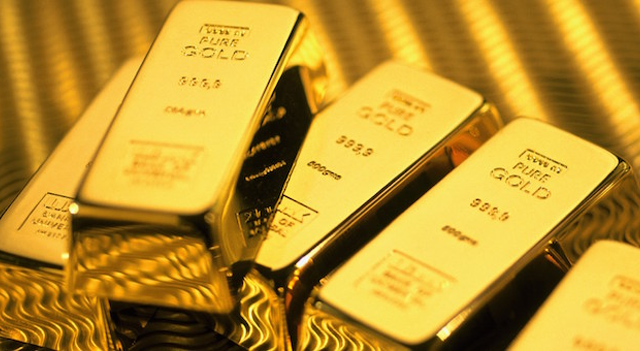
Gold prices have surged beyond $4,000 per ounce this week, touching their highest inflation-adjusted level since 1980. The sharp rally has been fueled primarily by an unprecedented wave of central bank purchases.
Strategists at Deutsche Bank report that central banks are currently buying gold at twice the pace recorded between 2011 and 2021, with China leading global acquisitions. This steady accumulation has been a key force behind the metal’s rise to new nominal highs, and analysts anticipate further gains ahead.
Gold now represents 24% of central bank reserves, according to second-quarter 2025 data—up significantly from the 9% low in late 2015. While still well below the 74.5% peak reached in the early 1980s, the latest surge marks the first time gold has regained its real, inflation-adjusted record from 45 years ago.
The slow return to these historic levels is rooted in policy changes that began in 1979, when the International Monetary Fund banned member states from pegging their currencies to gold. That decision, which followed the collapse of the Bretton Woods system, removed the requirement for central banks to maintain large gold reserves, triggering years of net selling.
Today, that trend has reversed. As central banks re-embrace gold as a strategic asset, comparisons are emerging between gold’s historical reserve role and the growing debate around Bitcoin. Deutsche Bank notes that discussions among policymakers increasingly include the cryptocurrency as a potential—if still contentious—reserve holding for the future.
This content is for informational purposes only and does not constitute financial, investment, or other professional advice. It should not be considered a recommendation to buy or sell any securities or financial instruments. All investments involve risk, including the potential loss of principal. Past performance is not indicative of future results. You should conduct your own research and consult with a qualified financial advisor before making any investment decisions.
Leave a Reply