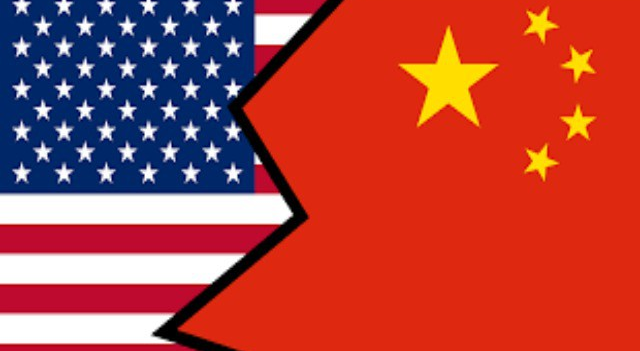
News of a possible framework agreement between the two global powers—under which Washington would withdraw its latest threat to impose 100% tariffs in exchange for guaranteed access to China’s rare earth magnets — has boosted European and Asian indices, as well as S&P 500 and Nasdaq futures.
However, what many seem to overlook is that even if both sides made concessions, this would not be the end of the story. Most of the underlying issues, particularly the broader goal of rebalancing trade, remain unresolved. In that sense, the agreement could simply be postponing a much deeper reckoning.
Progress with other key trading partners has also been limited. Although several final agreements have been announced, concrete results remain scarce. With Canada, the situation has even gotten worse with Trump raising tariffs by 10% for citing recordings of Ronald Reagan warning about the dangers of tariffs.
Then, where does this optimism come from?
Predictability seems to offset the lack of real progress in trade negotiations.
That said, markets have gotten used to the negotiating tactics of the Trump era: a dramatic threat followed by a partial retreat. Between April and July alone, he reportedly “flipflopped” 28 times on proposed tariffs. As a result, more investors started snapping up dips, hoping for another TACO from the president.
The context also seems to be helping.
Expectations of further FOMC rate cuts, even as inflation remains above the 2% target, are helping to boost confidence, along with the artificial intelligence mania. Now, if any of these supportive factors falter, the seemingly unstoppable rally could quickly give way to a more cautious, risk-averse mood.
In this context, beyond the Xi-Trump meeting, it’s worth keeping an eye on the FOMC meeting and the tech giants’ results. Alphabet, Meta, and Microsoft will release their results on Wednesday, followed by Amazon and Apple on Thursday, as the market looks for clues about whether the AI boom is turning into a bubble.
Leave a Reply