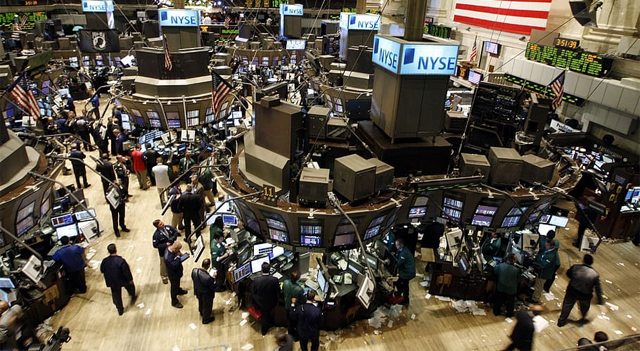
U.S. equity futures were pointing to a higher open on Friday, signaling a potential rebound after stocks slid sharply over the past several sessions.
Some investors appear ready to step back into the market, picking up shares at cheaper valuations following the recent technology-driven selloff that dragged the Nasdaq to its lowest close in more than two months. Still, trading could be relatively quiet after the U.S. Labor Department postponed the release of its highly anticipated monthly jobs report until next Wednesday.
Any upside may be restrained by lingering unease over heavy spending on artificial intelligence, alongside a steep premarket drop in Amazon (NASDAQ:AMZN). The e-commerce and cloud computing giant was down about 8.5% ahead of the opening bell after reporting slightly weaker-than-expected fourth-quarter earnings and unveiling capital expenditure plans for 2026 that far exceeded market expectations.
“All the hyperscalers are competing to win the AI race, for which the prize could be significant,” said Russ Mould, investment director at AJ Bell. “However, investors are being asked to countenance enormous amounts of cash going out the door in service of this goal.”
He added, “With the exact direction and trajectory of artificial intelligence still uncertain there is understandable concern that this money could be wasted.”
Wall Street suffered broad losses on Thursday, extending the choppy tone seen a day earlier. Technology shares led the decline, with the Nasdaq sliding to its weakest close in over two months.
Although the major indices pared some losses before the close, they still finished decisively lower. The Nasdaq fell 1.6%, the S&P 500 dropped 1.2%, and the Dow Jones Industrial Average also lost 1.2%.
Pressure on tech stocks was compounded by a sharp fall in Qualcomm (NASDAQ:QCOM). The chipmaker sank 8.5% after delivering better-than-expected fiscal first-quarter results but issuing disappointing guidance for the current quarter.
Alphabet (NASDAQ:GOOG), the parent of Google, also weighed on sentiment. While it recovered from earlier lows, the stock still ended down 0.5% after the company reported solid fourth-quarter results but flagged a substantial increase in capital spending planned for 2026.
Recent sessions have seen technology stocks retreat sharply as investors reassess stretched valuations and the longer-term returns from AI-related investments.
On the economic side, data from the Labor Department showed first-time claims for U.S. unemployment benefits jumped far more than expected in the week ended January 31. Initial claims rose to 231,000, up from 209,000 the prior week and well above forecasts for around 212,000, marking the highest level since early December.
A separate report also showed U.S. job openings unexpectedly fell in December to their lowest level in more than five years.
Sector performance was broadly negative on Thursday. Gold mining shares tumbled alongside a drop in bullion prices, sending the NYSE Arca Gold Bugs Index down 6.3%. Software and computer hardware stocks also sold off heavily, with their respective indices falling more than 4%.
Oil service stocks weakened as crude prices slid, while financials, retailers and pharmaceutical names also posted notable declines, leaving most major sectors under pressure by the end of the session.
Leave a Reply