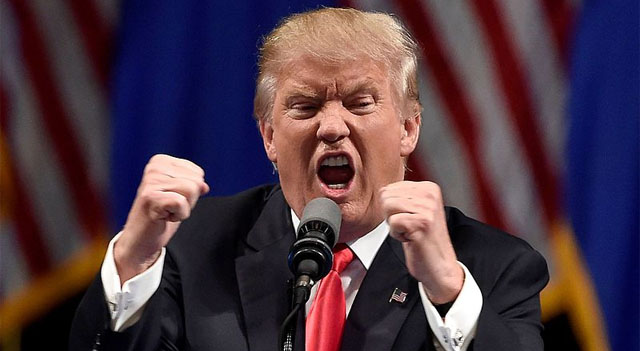
Verbal and written interventions continue. After the U.S. president, in a peculiar way, threatened to bomb bridges and power plants in Iran if the Strait of Hormuz isn’t reopened, media reported on Monday that the sides are close to a 45-day ceasefire and that the trade route could soon reopen.
Still, gains on S&P 500, Nasdaq, and Dow Jones futures were modest, not only because Tehran talks down the optimism — stating it will not accept ultimatums or pressure and that reopening the Strait of Hormuz in exchange for a “temporary ceasefire” is off the table — but also because the facts suggest the same.
In particular, vessel traffic through the strait remains well below prewar levels and is restricted to ships considered friendly to the Iranian regime. For the same reason, oil prices aren’t falling, and Japan is preparing high-level talks with Iran, pointing to the possibility of a more prolonged energy crisis.
If the conflict drags on, Asian countries with limited energy reserves, such as Australia, India, and Indonesia, would be among the most vulnerable. Some are already implementing emergency measures to prioritize fuel use in essential sectors, while price controls and subsidies are being used to mitigate the impact on consumers.
As for Europe, while reserves are relatively comfortable for now, they could eventually be depleted, which would weigh on the region’s economy.
Now, if the situation escalates further, particularly with the start of a ground operation, Iran could respond by targeting energy infrastructure in Saudi Arabia, Kuwait, or the UAE. There is also the risk that the Houthis might attempt to disrupt traffic through the Bab el-Mandeb Strait using drone attacks on vessels.
This would put more pressure on energy prices and push up inflation, forcing central banks to tighten policy and hurting the wider economy.
Leave a Reply