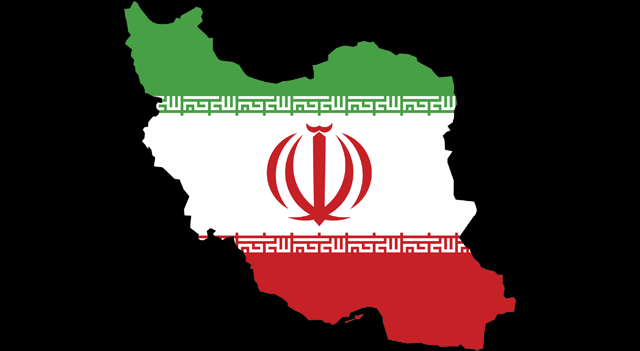
Last week’s talks between Iran and the U.S. didn’t seem to get very far. U.S. Vice President J.D. Vance said the two sides failed to reach an agreement due to major disagreements on several key issues. Donald Trump later added that Washington and Tehran still couldn’t find common ground on Iran’s nuclear program, adding that the U.S. would begin a naval blockade of Iran.
And yet, the S&P 500, Nasdaq, and Dow Jones all opened the week in the green, cryptocurrencies followed suit, and Brent crude actually slipped lower.
It looks like investors are once again pricing in another “TACO”. And to be fair, comments about “significant progress” in negotiations do point in that direction. The only thing is that passage through the Strait of Hormuz remains quite risky, to say the least.
Now, if instead of stabilization we see escalation, it could mean a loss of around 2–4 million barrels per day from the global oil market, worsening the ongoing energy squeeze. In a worst-case scenario, if Iran moves to disrupt the Red Sea and targets regional infrastructure, things could deteriorate even further.
Another risk is deteriorating U.S.–China relations. Trump has threatened 50% tariffs on China if it supports Iran, and China’s Foreign Ministry has responded, saying Beijing would take “decisive measures” in such a case.
What’s next?
According to Reuters sources, negotiating teams from the U.S. and Iran could meet again in Islamabad later this week. But given how wide the gap still is between their positions, the chances of a breakthrough remain low. For now, though, markets seem content that dialogue is at least continuing.
That said, the longer this rollercoaster drags on, the more negative the implications for the global economy are likely to be, and eventually, for markets as well.
Leave a Reply