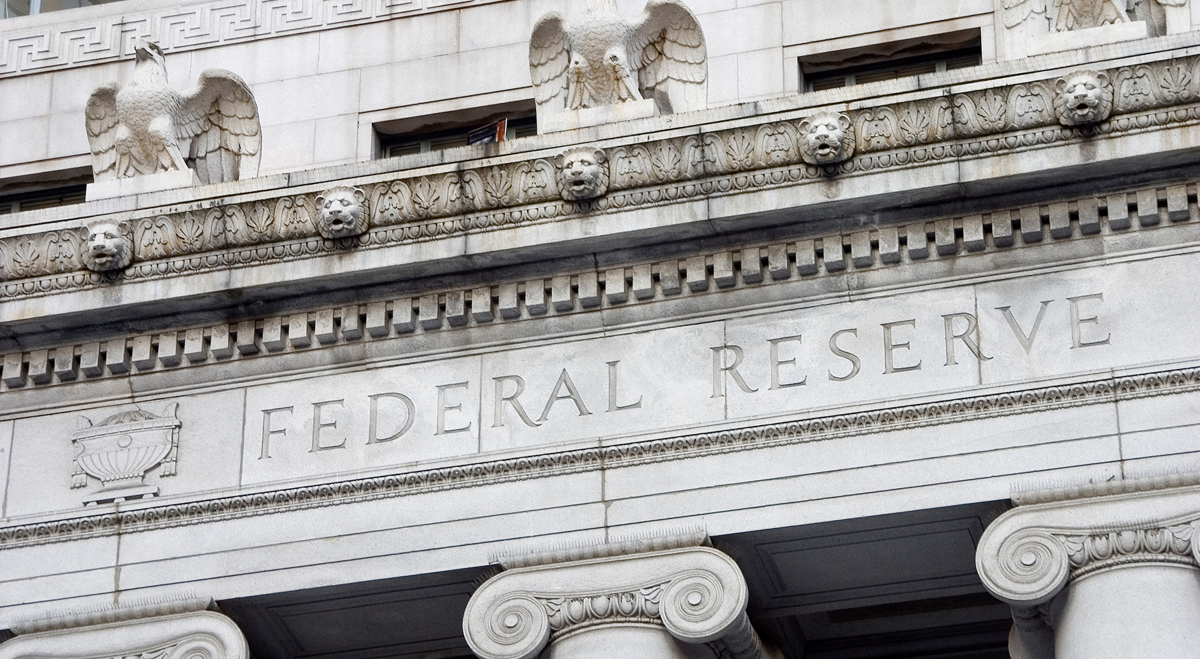
U.S. inflation data for August was broadly in line with expectations, with headline CPI up 0.4% from the previous month and 3.4% from a year earlier, while core inflation came in slightly above forecasts at 0.3% and 2.4%. Though it still showed that inflation pressure remains high, according to the economic calendar, and coupled with a strong labor market, investors are pricing in a +80% probability of a rate hike at the September 16 meeting.
Rising tensions in the Middle East just added fuel to the fire, with the Saudi oil pipeline that carries crude through the Red Sea shut as a precaution after attacks, according to the Energy Ministry.
And this week, things got worse, with oil prices climbing above $107 a barrel after an attack on a vessel in the Strait of Hormuz, the Saudi pipeline disruption, and an escalation in attacks by Iran-backed Houthis, who reportedly seized Perim, a strategic island in the Bab el-Mandeb Strait, on September 11.
So the case for a rate hike is strong, but there is always room for a surprise, and markets may not like it this time.
If Fed Chair Warsh votes to keep rates unchanged, he could lose the market and his colleagues’ confidence and put dollar assets under pressure, something we got a taste of last year when Trump attacked then-Fed Chair Jerome Powell.
And things could get even trickier if the Bank of Japan tightens policy and leaves the door open to further hikes, as a stronger yen could pressure the carry trade, where investors borrow in yen to buy higher-yielding assets like U.S. stocks, and hit tech and AI stocks again, as we saw in summer 2024.
Now, if the Fed does hike, the key will be Kevin Warsh’s speech, but since he has avoided giving any clues on monetary policy, markets may demand a higher premium for the uncertainty.
Leave a Reply