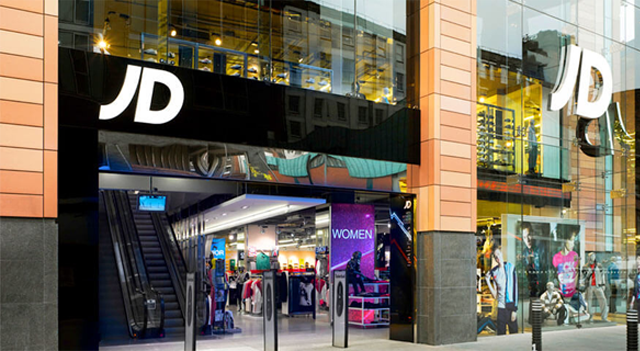
Shares of JD Sports Fashion (LSE:JD.) surged over 7% on Friday in London, riding a wave of optimism following stronger-than-expected quarterly results from its top supplier, Nike (NYSE:NKE). The American sportswear giant offered a more resilient forecast than anticipated, easing investor concerns and igniting a broad rally in European athletic apparel stocks.
Nike’s cautious outlook still beats the Street
Nike surprised Wall Street by projecting a smaller-than-feared drop in revenue for the upcoming quarter, estimating a mid-single-digit percentage decline instead of the 7.3% fall expected by analysts, according to data from LSEG.
The company also exceeded sales expectations for its fiscal fourth quarter. Despite a 12% year-on-year drop to $11.1 billion in revenue, the results were better than the anticipated 14.9% slide to $10.72 billion. In premarket U.S. trading, Nike shares surged more than 10%.
European sportswear stocks follow suit
The positive sentiment spilled over into European markets. Adidas AG (TG:ADS) and Puma SE (BIT:1PUM) shares gained between 4% and 6% in Frankfurt, with investors encouraged by Nike’s signal that its ongoing restructuring efforts are beginning to show results.
Tariff impact and production reshuffling
Nike executives, however, flagged potential headwinds from the Biden administration’s newest wave of China tariffs, inherited from earlier Trump-era policies. Chief Financial Officer Matthew Friend said the new duties could add up to $1 billion in additional costs for the company.
China currently accounts for about 16% of Nike’s U.S. footwear imports, but Friend said the company is actively working to reduce this share to the “high single digits” by May 2026 by shifting manufacturing to other countries.
Profit hit by markdowns; China still a weak link
Nike’s net income plunged 86% to $211 million in the quarter, largely due to aggressive discounting and inventory liquidation strategies. China remains a challenge for the brand, with executives noting that recovery in the region is slower than anticipated amid tough competition and broader economic headwinds.
To manage inflationary pressures, Nike has begun selectively raising prices in the U.S. and is also considering company-wide cost reductions.
“We’re adjusting our global sourcing strategy to limit the financial impact of the latest tariffs,” Friend told investors. Inventory levels remained stable at $7.5 billion as of May 31, while marketing expenses increased 15% year-over-year.
Leave a Reply