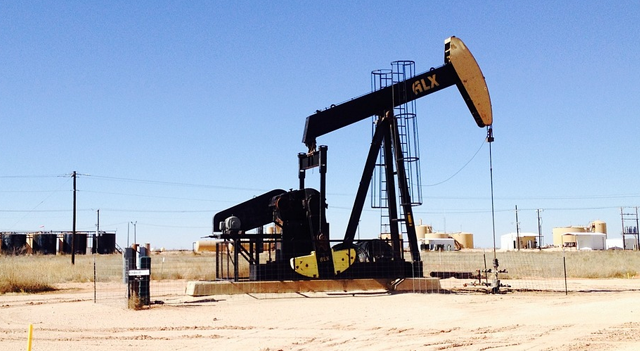
Georgina Energy (LSE:GEX) has carried out a comprehensive site review at its Hussar EP513 licence in Western Australia, validating key operational elements ahead of drilling. The inspection confirmed specifications for the drill pad, camp positioning, site access, water well placement and airstrip readiness, all aligned with the company’s well management framework. Technical advisers are advancing orders for critical drilling and service equipment, while supporting civil works are scheduled to commence in the second quarter of 2026.
The planned re-entry well at Hussar will target subsalt reservoirs within the Townsend Formation as well as fractured Neoproterozoic basement formations. Georgina views the prospect as one of the most significant onshore Australian opportunities for helium, hydrogen and associated hydrocarbons. Importantly, the drilling campaign — including related site infrastructure and airstrip upgrades — will be financed through a non-dilutive offtake funding agreement with Harlequin Energy and its partners. Spudding is currently expected in the third quarter of 2026, positioning the company to potentially strengthen its foothold in emerging helium and hydrogen supply markets.
From a financial perspective, the group continues to face material headwinds. It remains pre-revenue, with widening losses, increasing cash outflows and negative equity accompanied by rising debt levels. Share price momentum has been strong, supported by a positive MACD signal, though elevated RSI readings above 80 suggest the stock may be overbought in the near term. Valuation metrics remain difficult to assess, as no earnings multiple or dividend yield has been disclosed.
More about Georgina Energy
Georgina Energy plc is an exploration-focused energy company aiming to become a significant producer of helium and hydrogen. Through its wholly owned Australian subsidiary, Westmarket O&G, the company holds 100% interests in the onshore Hussar prospect in Western Australia and the Mt Winter prospect in the Northern Territory, targeting supply gaps in strategically important gases.
Leave a Reply