The U.S. dollar slipped on Monday, hovering near its lowest levels in years, as investors grew increasingly optimistic about potential trade agreements and the likelihood of the Federal Reserve easing interest rates soon.
By 04:10 ET (08:10 GMT), the Dollar Index, which measures the greenback against a basket of six major currencies, declined 0.2% to 96.81, approaching its weakest point since March 2022. The index is on track for a sharp 2.6% drop over June.
Trade Deal Progress Spurs Rate Cut Expectations
Market sentiment has improved following announcements of key trade developments: the U.S. and China finalized a deal last week, and Canada scrapped its digital services tax to revive stalled negotiations.
Furthermore, European Commission President Ursula von der Leyen reportedly expressed confidence in reaching a U.S.-EU agreement before the July 9 deadline, when new tariffs could take effect on both sides. The avoidance of these tariffs—which could drive inflation higher—may encourage the Federal Reserve to lower rates.
Fed Chair Jerome Powell’s recent congressional testimony was viewed as dovish, suggesting rate cuts are likely if inflation does not surge due to tariffs this summer. According to CME Group’s FedWatch Tool, the probability of at least one quarter-point rate cut by September has climbed to 91.5%, up from 83% a week earlier.
The Fed’s next policy meeting is in July; no meeting is scheduled for August. Investors also remain watchful of a major tax-cut and spending bill pending in the Senate, which could add $3.3 trillion to the national debt over ten years, per the Congressional Budget Office.
European Currency Moves and Economic Data
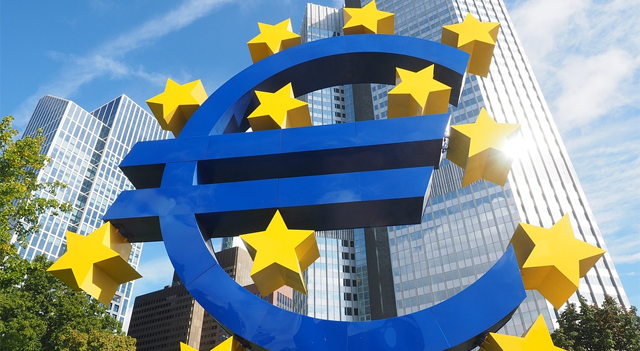
The euro edged up 0.1% to 1.1730 against the dollar, close to last Friday’s peak of 1.1754, the highest since September 2021, benefiting from dollar softness. Domestic economic factors had a more modest influence on the euro’s climb.
German retail sales fell sharply by 1.6% in May compared to April, casting doubt on strong economic growth prospects for Europe’s largest economy this quarter. Meanwhile, upcoming inflation reports from Germany and Italy are expected to show a slight acceleration in eurozone inflation.
Analysts at ING noted that while markets currently price in the European Central Bank’s first rate cut in December, there’s a growing risk of a more dovish adjustment sooner.
The British pound dipped 0.1% to 1.3705 versus the dollar, just below last Thursday’s high of 1.3770—the highest level since October 2021. The UK economy grew 0.7% in Q1 2025, the fastest pace in a year, but the Bank of England forecasts slower growth of about 0.25% in Q2.
Asian Market Highlights
In Asia, the Japanese yen strengthened slightly, with USD/JPY falling 0.4% to 144.07, despite weaker-than-expected industrial production growth in May.
The Chinese yuan also gained, with USD/CNY down 0.1% to 7.1654, near its strongest level since November. Recent PMI data showed China’s manufacturing sector contracted at a smaller-than-expected rate in June, while non-manufacturing activity improved. This points to some recovery in business conditions, helped by reduced tariffs following recent U.S.-China trade agreements. However, manufacturing still shrank for the third month in a row, reflecting ongoing pressure from high U.S. tariffs and sluggish domestic demand.
Leave a Reply