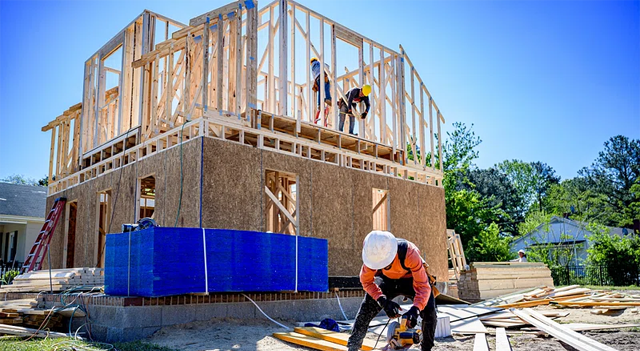
Titon Holdings plc (LSE:TON) said group revenue for the six months ending 31 March 2026 is expected to come in around 3% higher than the same period last year. The improvement is largely being driven by continued double-digit expansion in the company’s Mechanical Ventilation Systems division, which is benefiting from a growing pipeline of project wins. The business is also expected to deliver margin improvements as regulatory bottlenecks affecting building safety approvals begin to ease and construction projects move forward.
In contrast, the company’s Window and Door Hardware division is experiencing weaker conditions. Lower demand from the UK residential construction and fenestration markets is expected to result in a decline in full-year sales for this segment, although operational initiatives are helping support margins.
Overall, Titon indicated that first-half trading was somewhat below expectations. Nevertheless, the board anticipates a stronger second half and continues to expect full-year revenue and profit for FY26 to meet its forecasts. The outlook suggests relatively stable near-term performance despite challenging market conditions in parts of the construction sector.
The company’s investment profile is supported by strong financial stability, including low leverage and a solid equity base. However, inconsistent profitability and a relatively high price-to-earnings valuation weigh on the outlook. Technical indicators currently show mixed signals, with softer share price momentum despite a positive MACD reading.
More about Titon Holdings
Titon Holdings plc operates in the building products industry, supplying mechanical ventilation systems as well as window and door hardware solutions. The company has a strong presence in UK residential construction and fenestration markets.
Its strategy focuses on expanding the higher-margin Mechanical Ventilation Systems segment while maintaining competitiveness in the more cyclical hardware business. Through this approach, Titon aims to strengthen its position in building ventilation and energy efficiency solutions while managing exposure to fluctuations in construction demand.
Leave a Reply