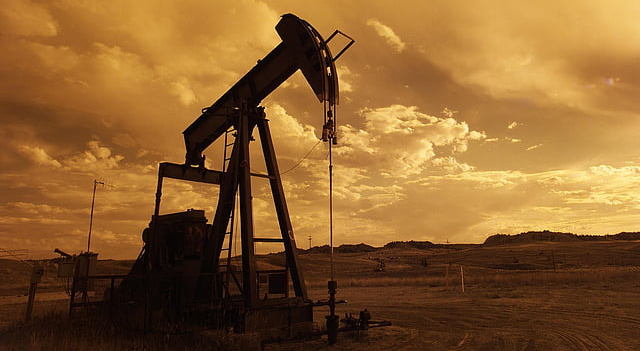
Oil prices advanced on Thursday after posting their sharpest one-day fall since April 2020, as continued disruptions in the Strait of Hormuz and escalating geopolitical tensions in the Middle East revived concerns about global supply.
By 05:22 ET (09:22 GMT), Brent crude futures for June delivery were up 2.8% at $97.68 per barrel. U.S. West Texas Intermediate (WTI) futures climbed 3.3% to $97.50 per barrel.
Both major benchmarks had plunged more than 13% the previous day after U.S. President Donald Trump announced a temporary ceasefire agreement with Iran.
Lebanon airstrikes cast doubt on ceasefire
Israeli airstrikes in Lebanon intensified on Wednesday, even after President Trump declared a two-week ceasefire between the United States and Iran on Tuesday.
The ongoing military action has highlighted differing interpretations of the truce, with Israel suggesting its campaign against Hezbollah falls outside the terms of the ceasefire.
Iran responded with a tougher stance, stating that peace negotiations with Washington would be “unreasonable” under the current circumstances and accusing Israel of breaching the ceasefire.
Meanwhile, Iran halted the movement of oil tankers through the Strait of Hormuz, preventing any immediate recovery in global oil transport.
“With a full reopening of the strait unlikely in the near term, oil prices are expected to remain supported, as disruptions linked to reduced output and refinery shutdowns will take time to unwind,” ING analysts said in a note.
Oil prices had plunged on Wednesday after President Trump announced the ceasefire and said Washington would help restore shipping flows around the strategic waterway.
U.S. crude inventories hit highest level in nearly three years – EIA
Figures from the U.S. Energy Information Administration showed crude oil inventories increased by 3.1 million barrels to 464.7 million barrels in the week ending April 3. The total marked the highest level in almost three years and ran counter to expectations for a decline of roughly 1.0 million barrels.
Fuel stockpiles moved lower, however. Distillate inventories — including diesel and heating oil — fell by 3.1 million barrels due to strong export demand, while gasoline inventories declined by 1.6 million barrels.
Leave a Reply