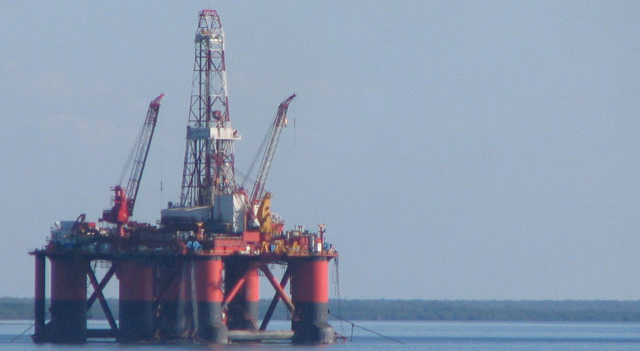
Eco Atlantic Oil & Gas Ltd (LSE:ECO) has agreed to farm down a majority stake in its offshore Namibian exploration assets, bringing in BP plc as operator across three licences in the Walvis Basin.
Under the agreement, BP will acquire a 60% participating interest and assume operatorship of the PEL97, PEL99 and PEL100 licences, while Eco retains a 25% stake in each. The deal includes a cash consideration of US$2.7 million, alongside a full carry by BP covering Eco’s retained interest and the shares held by national and local partners during the current exploration phase. Completion remains subject to regulatory approvals.
BP will take the lead on technical work programmes, including seismic reprocessing on PEL97 and a planned 3D seismic survey spanning at least 3,000 km² across PEL99 and PEL100. The involvement of a major international operator is expected to accelerate exploration efforts and enhance the technical evaluation of these frontier assets.
Strategically, the transaction reduces Eco’s capital commitments while preserving exposure to potential upside. Proceeds from the deal will support the company’s wider exploration activities across the Atlantic Margin, including projects in Guyana and South Africa.
Following completion, licence ownership will be structured with BP holding 60%, Eco 25%, state-owned NAMCOR 10%, and local partners 5%. Eco also retains optionality for future phases, with provisions that could see BP fund additional drilling costs, reinforcing the company’s approach of partnering with large industry players to manage risk and unlock value.
More about Eco Atlantic Oil & Gas
Eco (Atlantic) Oil & Gas Ltd is an exploration-focused company listed on AIM and the TSX Venture Exchange, with a portfolio of offshore assets across the Atlantic Margins. Its operations span Guyana, Namibia, and South Africa, targeting oil and gas opportunities in emerging markets with relatively low carbon intensity and proximity to established infrastructure, including the Orinduik Block in Guyana, the Walvis Basin in Namibia, and the Orange Basin in South Africa.
Leave a Reply