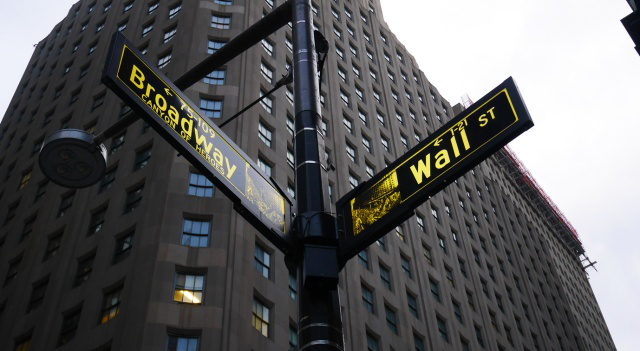
Futures tied to the major U.S. indices were largely unchanged, as investors balanced expectations of renewed diplomatic engagement between the United States and Iran with a busy earnings calendar. Hopes of easing tensions have helped keep oil prices below the $100-per-barrel mark, even as Washington maintains its blockade of Iranian ports. Meanwhile, fresh results from major U.S. banks continue to suggest the domestic economy remains resilient despite geopolitical pressures.
Futures hold near flatline
U.S. equity futures traded in a tight range on Wednesday, with markets digesting developments in Middle East diplomacy alongside a steady stream of corporate earnings.
As of 03:28 ET, futures on the Dow Jones, S&P 500 and Nasdaq 100 were broadly flat.
Despite bouts of volatility linked to the Iran conflict and the effective shutdown of the Strait of Hormuz—one of the world’s most important shipping corridors—U.S. equities have continued their upward trend. The S&P 500 finished Tuesday close to record levels, while the Nasdaq Composite has climbed about 14% over the past 10 sessions, marking its longest rally since 2021.
Confidence around the early stages of earnings season has also supported markets. Major Wall Street lenders noted that consumer spending and borrowing remain strong, pointing to an economy that has so far withstood the potential impact of an energy shock tied to the conflict.
“It’s still way too early in the [calendar year first quarter] earnings season to draw any firm conclusions, but so far, we’ve been impressed by the resiliency of Corporate America,” analysts at Vital Knowledge said in a note.
Trump points to possible Iran talks
U.S. President Donald Trump indicated that discussions between Washington and Tehran could resume within the next couple of days, following an initial round of talks held in Pakistan over the weekend.
Vice President JD Vance, who led the U.S. delegation in Islamabad, also struck a positive tone regarding the progress of negotiations.
However, the U.S. has continued enforcing its blockade on Iranian ports, with officials stating that maritime trade in and out of the country has effectively come to a halt. The restrictions were introduced earlier this week after talks in Pakistan failed to produce an immediate ceasefire, though expectations for a quick agreement had already been tempered.
The blockade has heightened concerns about oil flows through the Persian Gulf, where shipments have already slowed considerably. Still, the Wall Street Journal reported that more than 20 commercial vessels have recently transited the Strait of Hormuz, suggesting some improvement in shipping activity.
Oil prices remain contained
With expectations of a possible de-escalation, crude prices stayed below the $100 threshold.
At 03:16 ET, Brent crude futures rose 0.3% to $95.10 a barrel, while U.S. West Texas Intermediate slipped 0.2% to $91.12.
The softer oil backdrop has contributed to a modest pullback in the U.S. dollar, which had strengthened earlier in the conflict as a safe-haven asset. A dollar index tracking the greenback against a basket of currencies is now only slightly above pre-war levels seen in late February.
Even so, oil prices remain elevated relative to pre-conflict levels, reflecting ongoing supply concerns tied to disruptions at the Strait of Hormuz, through which roughly a fifth of global oil passes.
According to Reuters, supply risks could increase further after the U.S. chose not to extend a 30-day waiver on sanctions covering Iranian oil shipments at sea, which is set to expire this week. A similar waiver on Russian oil was also not renewed after expiring last weekend.
Focus turns to more bank earnings
Attention is now shifting to additional earnings from U.S. lenders, including Bank of America (NYSE:BAC) and Morgan Stanley (NYSE:MS), both scheduled to report later in the day.
Heightened market volatility—driven by geopolitical tensions and rapid developments in artificial intelligence—has boosted trading revenues at major banks. Firms such as JPMorgan Chase tend to benefit from increased market activity, as clients adjust portfolios and execute more hedging trades.
JPMorgan reported a 20% increase in markets revenue for the three months ended March 31, reflecting similar performance at peers like Goldman Sachs.
Despite turbulent conditions, banking executives have also pointed to a strong pipeline for dealmaking, with expectations that 2026 could see a surge in major transactions, particularly involving companies in artificial intelligence and space sectors.
European earnings also in focus
In Europe, corporate results have also influenced sentiment.
Hermès (EU:RMS) reported slower quarterly sales growth due to demand pressures linked to the Middle East conflict. Meanwhile, Kering (EU:KER) posted weaker sales, although it noted signs of improving demand trends. Together with recent results from LVMH, these updates suggest the luxury sector may be facing mounting headwinds.
Shares of Hermès and Kering both fell sharply on Wednesday.
On the other hand, ASML (EU:ASML) provided support to broader European markets. The company raised its full-year sales outlook, benefiting from strong demand tied to the artificial intelligence boom. Chipmakers such as TSMC and Intel continue to invest heavily in its technology as they expand their AI capabilities.
ASML shares rose by more than 1%.
Leave a Reply