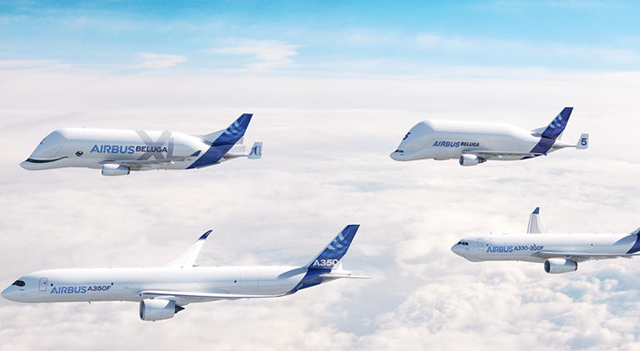
Airbus (EU:AIR) reported a significant decline in first-quarter earnings, as reduced commercial aircraft deliveries and currency pressures weighed on performance, while analysts highlighted execution and timing factors as central to the outlook.
Shares in the group were up 1.7% at 06:00 ET (10:00 GMT).
Airbus posted revenue of €12.7 billion for the quarter, down 7% year on year and slightly below the €12.87 billion consensus estimate. Adjusted EBIT dropped to €300 million from €624 million a year earlier, while reported earnings per share declined to €0.74 from €1.01.
The commercial aircraft division was the main driver of the downturn. Deliveries fell to 114 units compared with 136 in the same period last year, pushing adjusted EBIT in the segment down to €81 million from €494 million, also impacted by less favorable hedge rates.
Free cash flow before customer financing shifted to an outflow of €2.5 billion, versus an inflow of €310 million a year earlier, reflecting lower delivery volumes and a planned inventory build linked to production ramp-up.
The Defence and Space division provided some support, with revenue rising 7% to €2.8 billion and adjusted EBIT nearly doubling to €130 million.
Chief Executive Guillaume Faury said Airbus continues to increase production “as per our plan while navigating the shortage of Pratt & Whitney engines,” adding that the operating environment remains “dynamic and complex.”
Analysts at Barclays said the weak first-quarter performance was largely due to timing rather than a deterioration in demand.
They pointed to a mismatch between production and deliveries, mainly caused by administrative delays affecting around 20 aircraft intended for Chinese customers. These issues have now been resolved and are expected to support a catch-up in deliveries in the coming months.
“From here, the focus remains execution, with delivery acceleration key to restoring confidence,” the analysts said.
Barclays also noted that Airbus reaffirmed its full-year 2026 outlook, including approximately 870 aircraft deliveries, €7.5 billion in adjusted EBIT, and €4.5 billion in free cash flow—signalling confidence in a stronger second half despite a weak start to the year.
The broker added that the first quarter “served as a reminder of the execution hurdles” still facing the company, with supply chain constraints continuing, albeit at a reduced intensity.
While profitability in the commercial aircraft division came in slightly above Barclays’ cautious expectations, overall margins remain “very modest,” highlighting the need for improved delivery volumes over the remainder of the year.
Leave a Reply