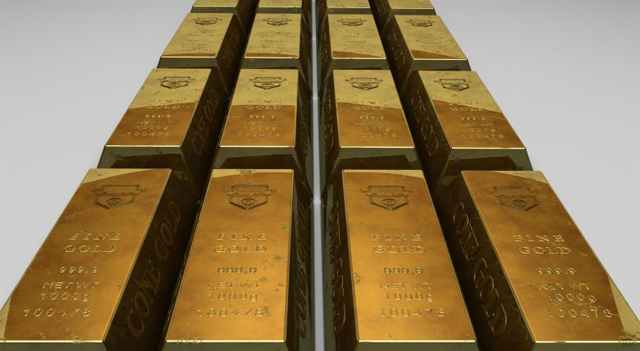
Gold prices moved lower in Asian trading on Friday, staying close to one-month lows as uncertainty surrounding the Iran conflict and its implications for global interest rates continued to pressure the metals complex.
Spot gold declined 0.5% to $4,600.06 an ounce as of 06:17 GMT, while gold futures slipped 0.4% to $4,611.54 an ounce. Activity remained subdued due to public holidays across much of Asia.
Central Bank Signals Add to Downward Pressure
The yellow metal has now posted back-to-back monthly declines, easing around 1% in April after a steep drop of nearly 12% in March. Rising inflation concerns—largely tied to the Iran conflict—have driven investors toward the U.S. dollar instead of traditional safe-haven assets.
Elevated oil prices have further reduced gold’s appeal, as disruptions to global crude supplies linked to the conflict have intensified inflationary expectations.
This week, a wave of hawkish commentary from major central banks added to the pressure. The Federal Reserve saw more policymakers warn about energy-led inflation risks, while the European Central Bank, Bank of England, and Bank of Japan all pointed to the possibility of near-term interest rate increases.
Higher borrowing costs tend to weigh on gold and other non-yielding assets, as they raise the opportunity cost of holding them.
Mixed Moves Across Precious Metals
Other precious metals showed a mixed performance on Friday following an uneven April. Spot silver rose 0.3% to $74.240 per ounce, though it remained down about 2% for the month.
Platinum slipped 0.4% to $1,982.13 per ounce, but still managed to post modest gains over April.
Iran Standoff Continues to Influence Markets
Ongoing tensions between the United States and Iran continued to shape market sentiment, with investors largely favouring the dollar over gold.
Reports earlier in the week indicated that Donald Trump had been briefed on potential additional military options involving Iran, particularly as diplomatic efforts between Washington and Tehran failed to gain traction.
Iran’s Supreme Leader, Mojtaba Khamenei, issued a rare statement on Thursday, saying the country would retain control of the Strait of Hormuz and safeguard its nuclear and missile capabilities.
He stated that such control would bring “calm, progress, and economic benefits to all Gulf nations.”
The remarks followed reports suggesting Trump was dissatisfied with an Iranian proposal to reopen the Strait and bring the conflict to an end.
The strategic waterway has remained largely blocked since the escalation of tensions involving the U.S., Israel, and Iran earlier this year, making it a central focal point of the crisis.
Since the conflict began, gold has lagged behind the dollar, as safe-haven demand has been overshadowed by fears of inflation driven by higher energy prices.
Leave a Reply