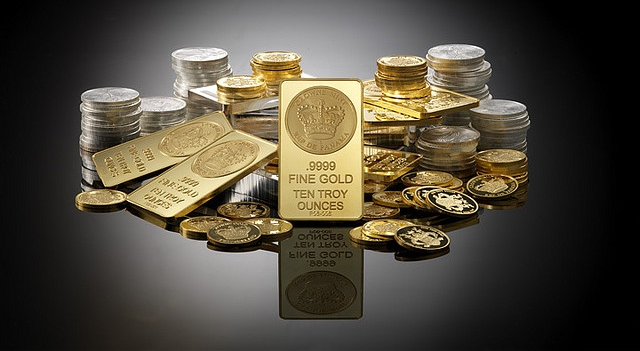
Gold prices traded lower on Wednesday as investors remained cautious over ongoing negotiations between the United States and Iran, while fears of higher energy-driven inflation and tighter monetary policy continued to weigh on sentiment.
At 05:51 ET (09:51 GMT), spot gold slipped 0.4% to $4,491.28 an ounce, while gold futures declined 0.3% to $4,523.20 an ounce.
According to Al Jazeera, indirect diplomatic talks between Washington and Tehran have continued despite recent military clashes earlier in the week. U.S. officials said the fragile ceasefire remains in place, although Iran warned it would retaliate if the agreement is breached.
U.S. Secretary of State Marco Rubio said this week that it may take a “few days” before the two sides can finalise a deal.
Reports over the weekend suggested Washington and Tehran were nearing a framework agreement that would extend the ceasefire and reopen the Strait of Hormuz, a critical energy shipping route through which around 20% of the world’s oil supply moves. The passage has been heavily disrupted since the conflict erupted in late February, tightening oil supplies and lifting crude prices.
Markets remain concerned that elevated oil prices could intensify global inflation pressures. This has increased expectations that major central banks, including the Federal Reserve and the European Central Bank, may keep interest rates elevated for longer or introduce further tightening measures.
Such conditions generally weigh on gold prices because the precious metal does not provide yield and tends to become less attractive when borrowing costs rise.
“Prices remain under pressure from elevated inflation expectations linked to higher energy prices, reducing the likelihood of near term rate cuts. While renewed U.S. Iran clashes in the Persian Gulf have added to uncertainty, markets retain some cautious optimism that a deal could still be reached,” ING analysts said in a research note.
Meanwhile, aluminum prices climbed to their highest levels in four years on the London Metal Exchange as supply concerns intensified partly due to the Middle East conflict. ING analysts, citing Mysteel, added that stricter Chinese oversight on energy consumption and emissions is also reinforcing expectations for possible production curbs in the aluminum market.
Leave a Reply