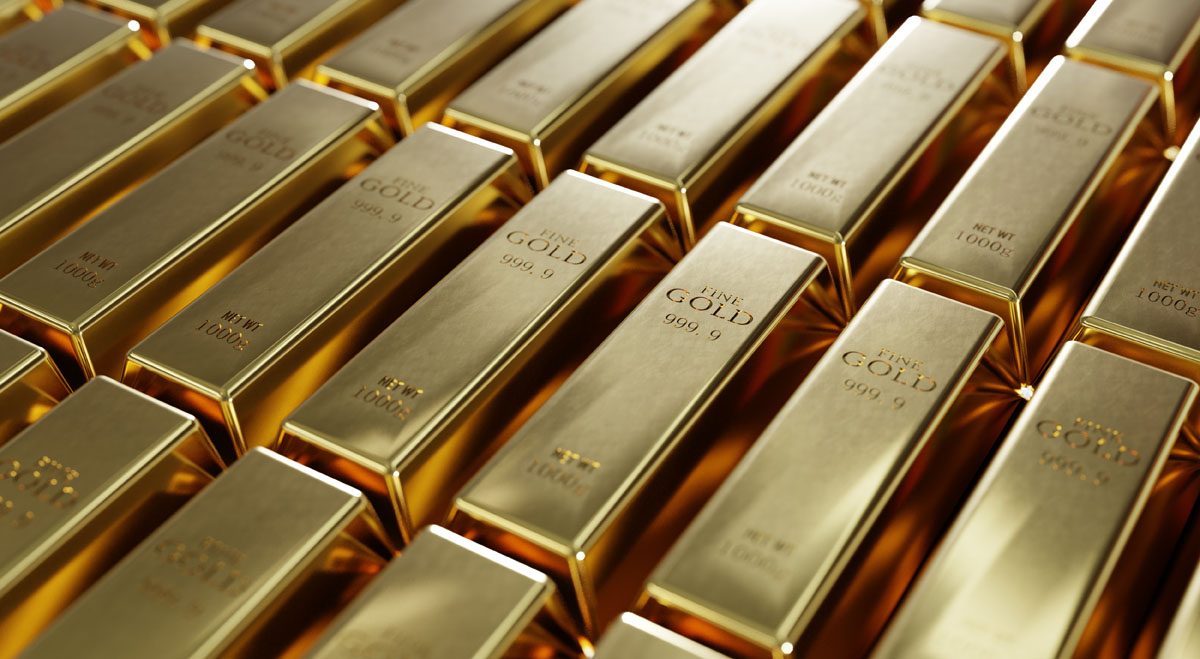
Gold prices retreated on Friday and remained on track for a weekly decline as concerns over a prolonged confrontation between Washington and Tehran supported the dollar and dampened appetite for bullion.
Market participants are now awaiting key U.S. labor market figures that could help shape expectations for interest rates over the coming months.
Precious Metals Under Pressure
Spot gold slipped 0.8% to $4,440.84 an ounce, while gold futures dropped by the same margin to $4,467.01 an ounce.
The yellow metal was set to record a weekly loss of around 2.2%, its weakest performance in more than a month.
Geopolitical Risks Fuel Inflation Concerns
Recent developments in the Middle East have reduced hopes for a near-term diplomatic solution between the United States and Iran.
The situation deteriorated further after Hezbollah rejected a ceasefire agreement with Israel, while clashes continued across southern Lebanon. Iran has consistently linked broader peace negotiations to a halt in fighting in Lebanon.
With little sign of de-escalation, investors are increasingly concerned that elevated oil prices could sustain inflationary pressures worldwide.
Hawkish Central Bank Expectations Hurt Gold
Persistent inflation risks have strengthened expectations that major central banks may maintain restrictive monetary policies for longer.
For gold, which offers no yield, a higher-rate environment typically represents a headwind. These concerns have weighed on prices throughout the conflict that erupted earlier this year.
Silver and platinum also traded lower. Silver fell 1.7% on Friday and was down 3.5% for the week, while platinum eased 0.9%, bringing its weekly decline to 0.9%.
Labor Market Figures Take Center Stage
Investors are closely watching the release of the May U.S. nonfarm payrolls report.
Forecasts suggest job creation slowed further during the month, reflecting softer economic activity and uncertainty tied to geopolitical developments.
A robust employment report could strengthen the case for keeping interest rates elevated, while a weaker reading may revive expectations for future policy easing.
Leave a Reply