Barclays believes Amazon’s satellite internet business still offers substantial upside potential, even as the company navigates a series of near-term obstacles that could slow deployment of its Leo network.
Formerly known as Project Kuiper, Amazon’s Leo low-Earth-orbit satellite constellation is approaching a major milestone that could allow the company to begin offering services to customers as early as the third quarter. Barclays analyst Ross Sandler and his team said the development “could be a small sentiment tailwind for AMZN.”
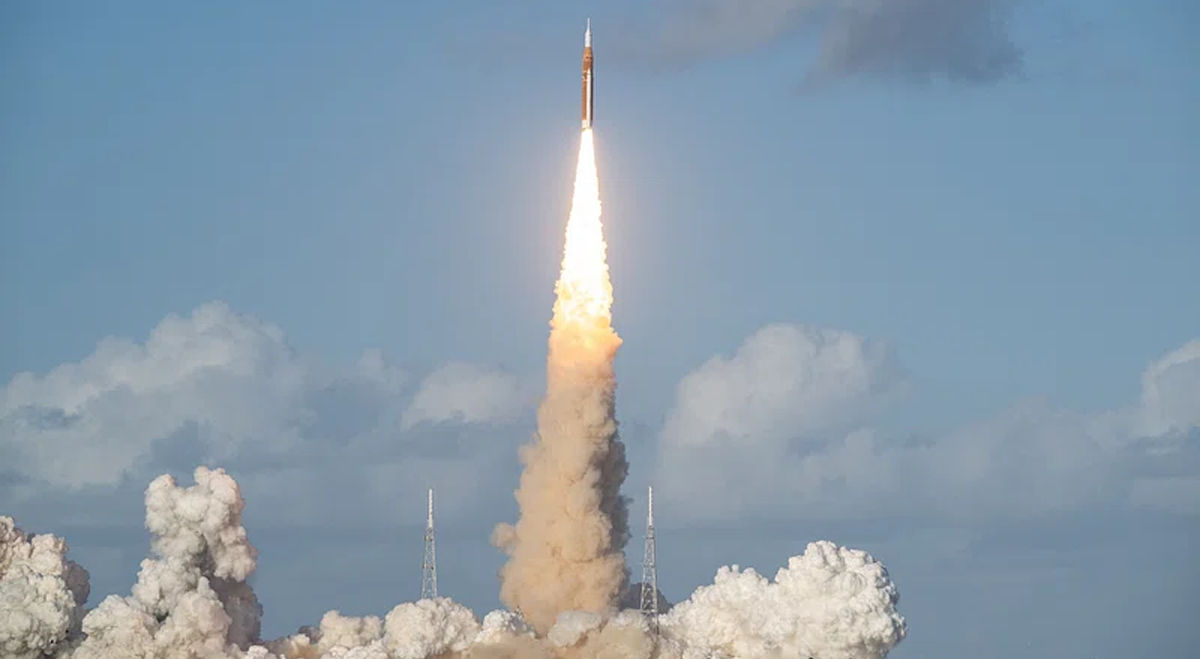
Even so, execution risks have increased. The latest setback came after an explosion during testing damaged the only launch facility currently available for Blue Origin’s New Glenn rocket, creating uncertainty around future launch schedules.
While Blue Origin has expressed confidence that operations could resume before year-end, some industry observers believe the recovery process could stretch beyond a year. That uncertainty leaves Amazon increasingly dependent on alternative launch providers to deploy satellites originally scheduled to fly aboard New Glenn.
The options are limited. United Launch Alliance’s Atlas V has only one remaining mission allocated to Amazon, while the company’s newer Vulcan Centaur rocket is still in the early stages of scaling operations after experiencing technical issues on two of its first four flights. Arianespace remains a potential partner but has yet to demonstrate a steady launch cadence.
According to Barclays, these launch-related constraints may weigh on Amazon’s second-quarter North American retail operating margin by approximately 125 basis points. The bank expects the impact to lessen later in the year as associated expenses begin to be capitalized. The earlier scheduling of Prime Day could also provide some financial offset.
Despite these challenges, Barclays remains optimistic about the long-term economics of the satellite connectivity industry and Amazon’s ability to establish a meaningful position within it.
“Connectivity is an enormous market that likely evolves into oligopoly-like structures with the industry leader way in front, but solid revenue opportunities for the second- and third-place companies,” the bank’s analysts wrote.
“Being second place in an enormous industry (satellite connectivity) is still a very attractive proposition for AMZN bulls,” they said.
The analysts expect Leo to offer competitive service quality from launch and believe Amazon’s enormous Prime ecosystem could accelerate customer adoption. Once the service becomes commercially available, subscriber growth could scale rapidly.
Barclays forecasts that Leo may generate annual revenue exceeding $10 billion by the end of the decade while achieving operating margins above 40%, making it a potentially significant contributor to Amazon’s future growth.
Leave a Reply