European natural gas prices were on course for their strongest weekly gains since late July as escalating tensions in the Persian Gulf and the continuing diplomatic deadlock over the Strait of Hormuz renewed concerns about winter energy supplies.
The British front-month gas contract was heading for a weekly increase of almost 10%, trading at around 145 pence per therm. That would represent its strongest five-day performance since July 20.
Dutch front-month futures, the main benchmark for continental European gas, followed a similar pattern. Prices were on track to rise almost 9% over the week and traded near €59.50 per megawatt-hour.
Both contracts reached multi-week highs earlier in the week, climbing to their strongest intraday levels since July 24 before some profit-taking temporarily interrupted the rally.
Hormuz deadlock revives European supply concerns
A period of relative calm in European gas markets during the summer, supported by manageable Norwegian pipeline maintenance, has quickly given way to renewed concerns over the consequences of prolonged disruption to Middle Eastern shipping.
The main catalyst has been the failure of Washington and Tehran to reach an agreement over commercial maritime access through the Strait of Hormuz.
Expectations for an interim transit arrangement faded after U.S. President Donald Trump introduced tougher conditions, including demands for financial compensation from Iran for losses linked to the regional conflict, while raising the possibility of a naval blockade.
Iran responded by maintaining that restrictions on commercial shipping through the strategically important waterway would continue until Washington removes economic sanctions and releases frozen Iranian assets.
Qatar LNG disruption puts pressure on European supplies
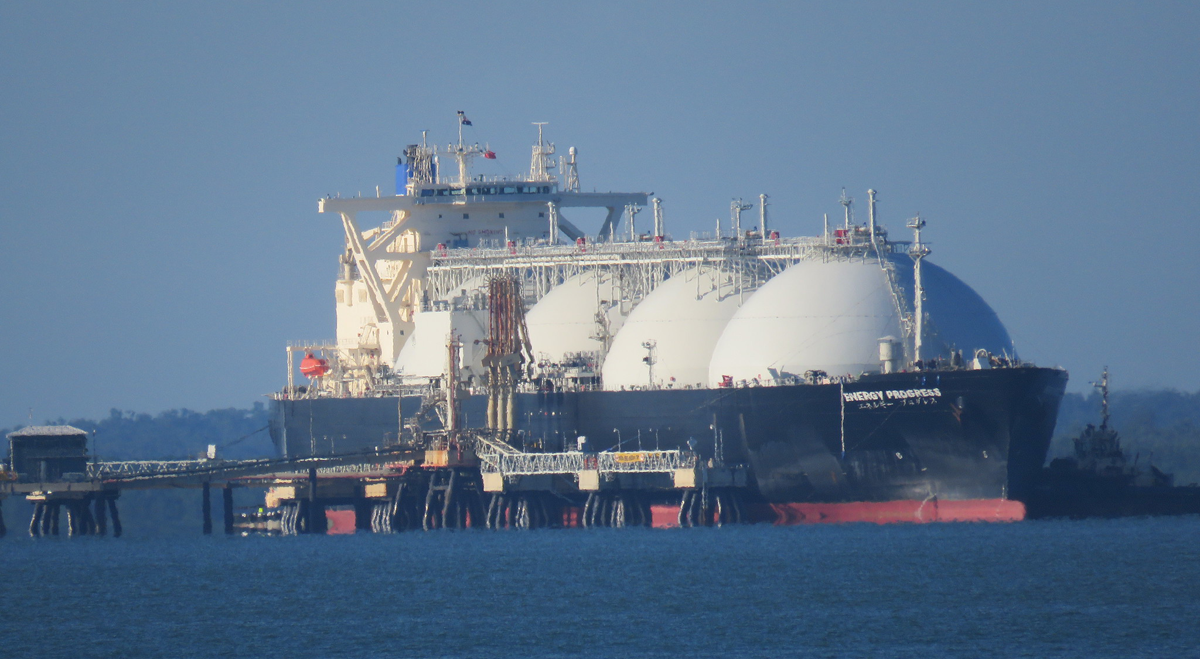
The continuing restrictions have reduced deliveries of liquefied natural gas originating from Qatar to European import terminals.
As a result, utilities have been forced to seek replacement LNG cargoes in the spot market at a time when Europe would normally be concentrating on rebuilding inventories ahead of the winter heating season.
The disruption is particularly significant because Qatar is an important supplier to the global LNG market, meaning prolonged constraints around Hormuz could intensify competition between European and Asian buyers for alternative cargoes.
European gas storage remains unusually low
The geopolitical disruption comes at a difficult point for European energy security.
Data from Gas Infrastructure Europe showed European Union underground gas storage facilities at only 59% of working capacity, representing a historically low level for the middle of August.
Inventories are approximately 12 percentage points below their level at the same stage last year and remain significantly beneath the five-year seasonal average.
The shortfall leaves European gas markets more vulnerable to sharp price movements if colder weather arrives earlier than expected during the autumn.
Heatwaves slow summer storage injections
Europe’s efforts to replenish inventories have also been complicated by periods of intense summer heat across Southern and Central Europe.
Higher temperatures increased electricity demand for air conditioning, forcing utilities to use more natural gas for power generation instead of injecting available supplies into underground storage.
That dynamic has contributed to slower inventory rebuilding at a time when disruption to LNG shipping is creating additional uncertainty over future supply availability.
Geopolitical premium likely to persist into heating season
Broader commodity markets lost some momentum towards the end of the week following U.S. inflation figures that came in broadly in line with expectations, but the scope for a significant decline in European gas prices remains limited by supply risks.
Until LNG vessels can again move freely through the Strait of Hormuz and European storage injection rates strengthen, traders are likely to continue attaching a substantial geopolitical risk premium to gas contracts.
With inventories unusually low for this stage of the year, developments in the Persian Gulf and the pace of European storage replenishment are expected to remain key drivers of prices as the winter heating season approaches.
Leave a Reply