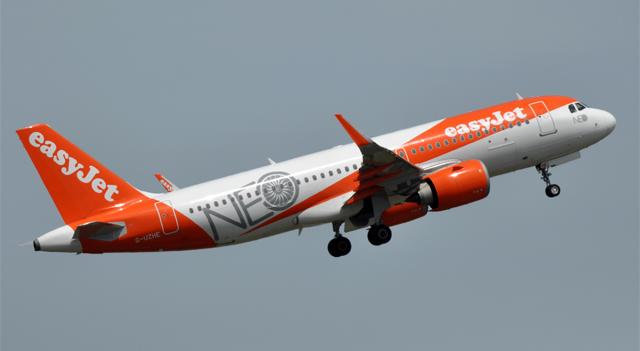
EasyJet (LSE:EZJ) revealed a rise in third-quarter profits driven by increased passenger traffic and higher revenues, yet its shares dropped 7% amid worries that consensus forecasts may be trimmed.
The British budget airline announced a headline pretax profit (PBT) of £286 million ($383.3 million), marking a £50 million increase compared to the same quarter last year, matching analysts’ forecasts.
This improvement was buoyed by a 2.2% growth in passenger numbers, reaching 25.9 million, along with the advantageous timing of Easter, which boosted April’s results.
Overall revenue climbed 10.9% year-over-year to £2.92 billion, with passenger revenue rising 9.7% to £1.76 billion. The airline’s load factor slightly improved to 90.2%, up from 90% in the prior year.
EasyJet reaffirmed its expectation for steady profit growth in fiscal 2025 but highlighted challenges from increased fuel prices and recent strikes by French air traffic controllers.
Approximately 67% of its fourth-quarter capacity has already been booked, though the full-year outcome will hinge on late summer sales momentum.
The company confirmed its minimum pretax profit target of £235 million for the year and announced plans to reveal a new medium-term target later this year.
Jefferies analysts noted that EasyJet’s Q3 results were largely consistent with their projections, although they pointed out the lack of a definitive consensus benchmark.
They anticipate the stock will face pressure as full-year 2025 (FY25) earnings estimates are revised downward, predicting consensus to fall to around £665 million—“a c.5.5% cut to consensus”—due to the impact of French air traffic control strikes and rising fuel expenses.
The analysts also observed that EasyJet raised its second-half fuel CASK guidance to -7% from -8%, suggesting “some cost control within Q4 as well.”
“We see a re-rating opportunity as easyJet benefits from a growing package holiday business, fleet renewal and self-help opportunities through optimising winter trading and ancillaries,” Jefferies’ team wrote.
Meanwhile, RBC Capital Markets analysts echoed a similar view, highlighting a “~5-7% downside risk to FY25E consensus headline PBT.”
On a more optimistic note, RBC added that easyJet is “well positioned to exceed expectations in FY26E, given continued fuel tailwinds and scope for an increased contribution from easyJet’s own measures to increase profitability.”
This content is for informational purposes only and does not constitute financial, investment, or other professional advice. It should not be considered a recommendation to buy or sell any securities or financial instruments. All investments involve risk, including the potential loss of principal. Past performance is not indicative of future results. You should conduct your own research and consult with a qualified financial advisor before making any investment decisions.
Leave a Reply