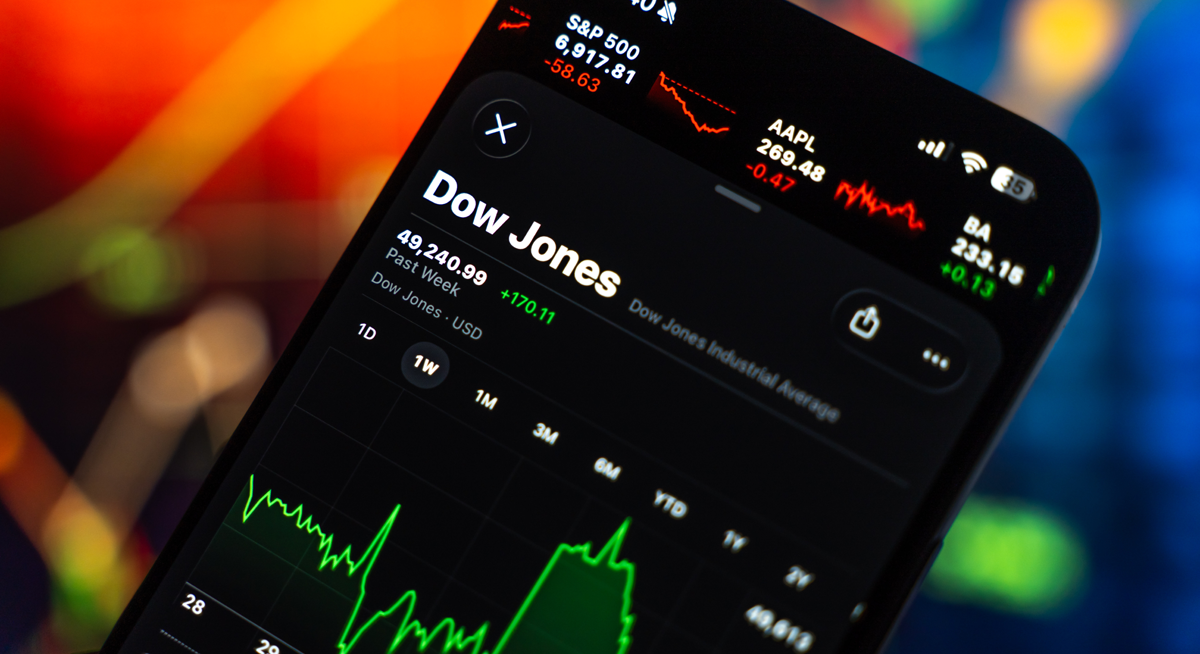
U.S. stock futures moved higher on Wednesday, putting Wall Street on course to recover part of its recent decline as investors welcomed a reversal in crude oil prices and a sharp retreat in Treasury yields.
Crude provided some relief after three consecutive sessions of gains. U.S. oil futures turned negative after earlier rising as much as 1.3% to their highest level in almost three weeks.
Treasury Buyback Plans Ease Pressure on Bonds
The improvement in equity futures was accompanied by falling Treasury yields after the U.S. Treasury Department announced a significant expansion of its longer-dated debt buyback programme.
From September 9, liquidity-support buybacks involving longer-term nominal coupon securities will increase by at least twofold.
Lower yields can ease pressure on equity valuations, although investors may remain cautious ahead of the Federal Reserve’s latest meeting minutes, which could provide further insight into policymakers’ thinking on inflation and interest rates.
Tech Sell-Off Weighs on Major Indices
Wednesday’s stronger futures follow a difficult Tuesday session in which all three major U.S. benchmarks finished lower, extending Wall Street’s recent losing streak.
The Nasdaq suffered the largest decline, dropping 355.20 points, or 1.3%, to 26,289.71 as technology shares came under heavy selling pressure.
The S&P 500 lost 53.30 points, or 0.7%, to finish at 7,691.76, while the Dow declined 116.38 points, or 0.2%, to 53,343.40.
The rise in longer-term borrowing costs had become an increasingly important concern for equities, with the 30-year Treasury yield briefly reaching its highest level in nearly 20 years before retreating.
Middle East Conflict Keeps Inflation Risks Elevated
Bond markets have remained sensitive to inflation risks associated with the continuing conflict in the Middle East, particularly as higher energy prices threaten to add to price pressures.
Oil had extended its recent rally after President Donald Trump said there were no current or scheduled talks between Washington and Tehran.
Trump also said on Truth Social that the Strait of Hormuz is “open and operating” and “all water mines have been removed or detonated,” although reports suggested shipping activity through the crucial energy corridor remained constrained.
Daniela Hathorn, Senior Market Analyst at Capital.com, said Treasury yields had risen “despite softer recent economic data reducing expectations for an imminent Fed hike.”
“Instead, the long end is responding to persistent inflation risks, heavy government borrowing and growing competition for capital—including debt issuance associated with the AI investment boom,” Hathorn said.
She added, “That creates an uncomfortable environment for equities because financial conditions can tighten even without the Fed raising rates.”
Industrial Production Falls Short of Forecasts
The latest U.S. economic figures provided another reason for investors to question how aggressively the Federal Reserve may need to approach interest rates.
Industrial production increased 0.2% in July, according to the Fed, falling slightly short of economists’ forecast for 0.3% growth.
June’s increase was revised higher to 0.3% from the previously reported 0.1%.
Chip Stocks Lead Market Decline
Semiconductors were at the centre of Tuesday’s technology sell-off, with the Philadelphia Semiconductor Index plunging 5%.
Computer hardware and networking stocks also suffered substantial declines, adding to pressure on the technology-heavy Nasdaq.
Gold-related shares weakened as bullion prices declined, sending the NYSE Arca Gold Bugs Index down 2.9%. Airlines, housing and steel stocks were also among the weaker areas of the market.
Pharmaceutical, healthcare and energy shares provided some resistance to the broader decline, posting notable gains.
With oil and Treasury yields now retreating, Wall Street has an opportunity to regain some ground, although the Federal Reserve minutes remain a key potential catalyst for the next move in markets.
Leave a Reply