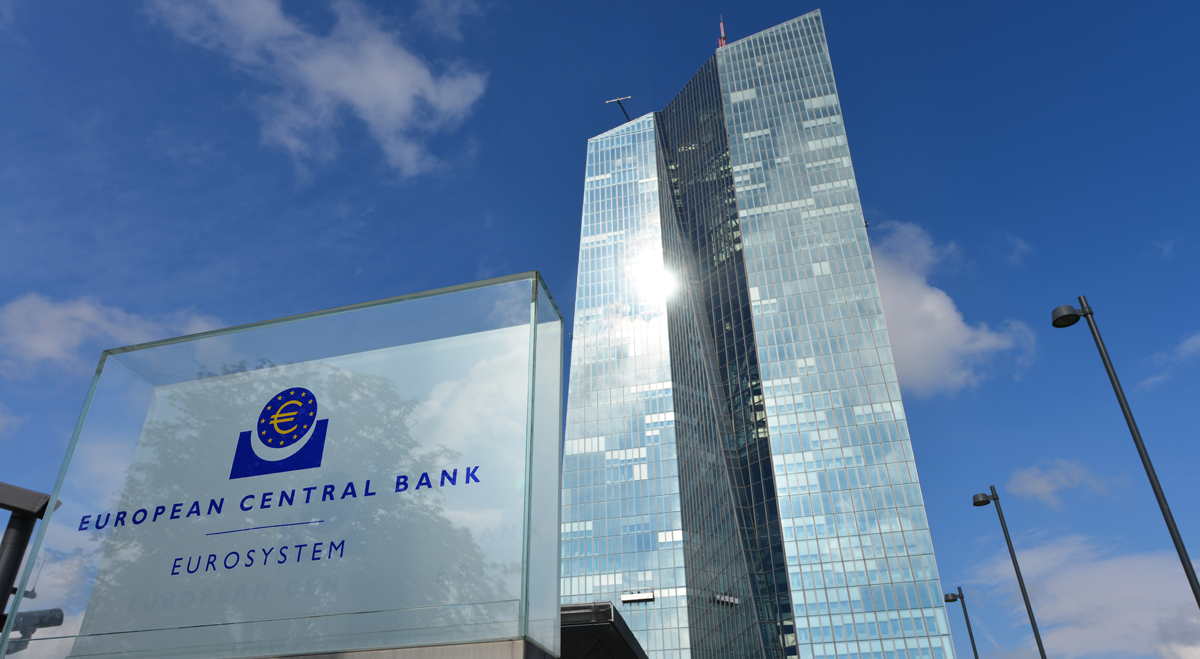
The European Central Bank raised its deposit rate by 25 basis points to 2.50% on Thursday, as higher energy prices linked to the Middle East conflict continued to affect the inflation outlook.
Brent crude moved back above $100 a barrel this week following renewed attacks between the United States and Iran. The conflict, now in its seventh month, has restricted tanker traffic through the Strait of Hormuz, which handled roughly a fifth of global oil and liquefied natural gas flows before the war began in late February.
The Eurozone is a major energy importer, and regional gas prices have recently reached their highest levels since 2023.
The ECB had previously raised rates in June before leaving them unchanged in July.
In its latest statement, the ECB said the Middle East conflict “continues to generate inflation pressures,” adding that inflation is expected to remain above its 2% target “for an extended period.”
Capital Economics analysts, including Andrew Kenningham, described the statement as “somewhat hawkish” and said they now “think one more hike is likely” in 2026. Markets were also pricing in another rate increase by this time next year and a 40% probability of an additional increase.
ECB Raises 2027 and 2028 Inflation Forecasts
Updated ECB staff projections showed headline inflation averaging 3.0% this year. The central bank raised its forecasts for 2027 and 2028 to 2.5% and 2.1%, respectively.
Speaking at a press conference following the decision, ECB President Christine Lagarde said the “energy shock” resulting from the Iran war could intensify further and that secondary effects on other prices and wages could be greater than previously anticipated.
Lagarde nevertheless described the Eurozone economy as “resilient,” pointing to the labour market and a recovery in the services sector. She said the economy’s resilience was expected to continue into the third quarter.
Following the decision, Germany’s benchmark 10-year government bond yield traded around its highest level since the Eurozone economic crisis in 2011, while France’s 10-year yield remained around its highest level since 2008.
Leave a Reply