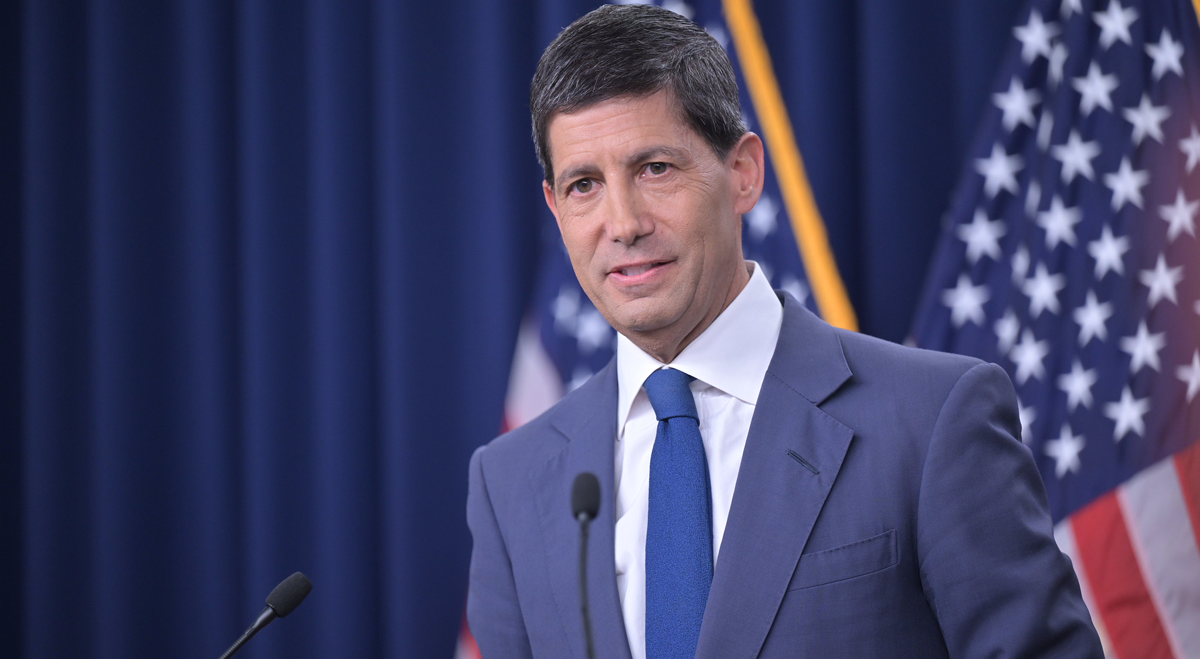
The question heading into the Fed’s September meeting was whether Kevin Warsh would go against the economic data. Had he done so, markets might have seen it as the Fed losing its independence to political pressure, hurting its credibility and weighing on the dollar, judging by the DXY chart, and Dow Jones futures.
However, all FOMC members voted in favor of a 25-basis-point hike, bringing the target range to 3.75%-4.00%, the highest level since July 2023. And there were two reasons for this.
First, the U.S. economy remains strong, with 162,000 nonfarm jobs created in August, above expectations, which ranged from 53,000 to 65,000, and TD Bank estimates real GDP growth of 2.8% in the third quarter, with momentum likely to continue into the fourth quarter.
Second, inflation shows no signs of easing: year-over-year inflation held at 3.4% in August, while prices rose 0.4% from the previous month, following a 0.1% increase in July. Actually, the numbers could worsen, as the U.S. started the week with diesel prices above $6.50 per gallon, surpassing the 2022 high in nominal terms amid supply disruptions from the war between the U.S. and Iran and Ukrainian attacks on Russian refineries.
That matters because diesel is not just a problem for drivers but is also a key input for freight, agriculture, electricity generation, rail transport, etc. Hence, the Fed’s rate path is now higher than expected, with rates projected 0.3 pp higher in 2026 and 0.5 pp higher in 2027–2028, with four FOMC members seeing another 50 basis points of hikes, while the remaining 12 expect at least one more hike this year.
For now, though, markets aren’t particularly worried about the hit to the economy and are focusing on the fact that they finally have some clarity, at least on monetary policy. But the longer energy issues persist, the harder it will be for the stock market to remain immune.
Leave a Reply