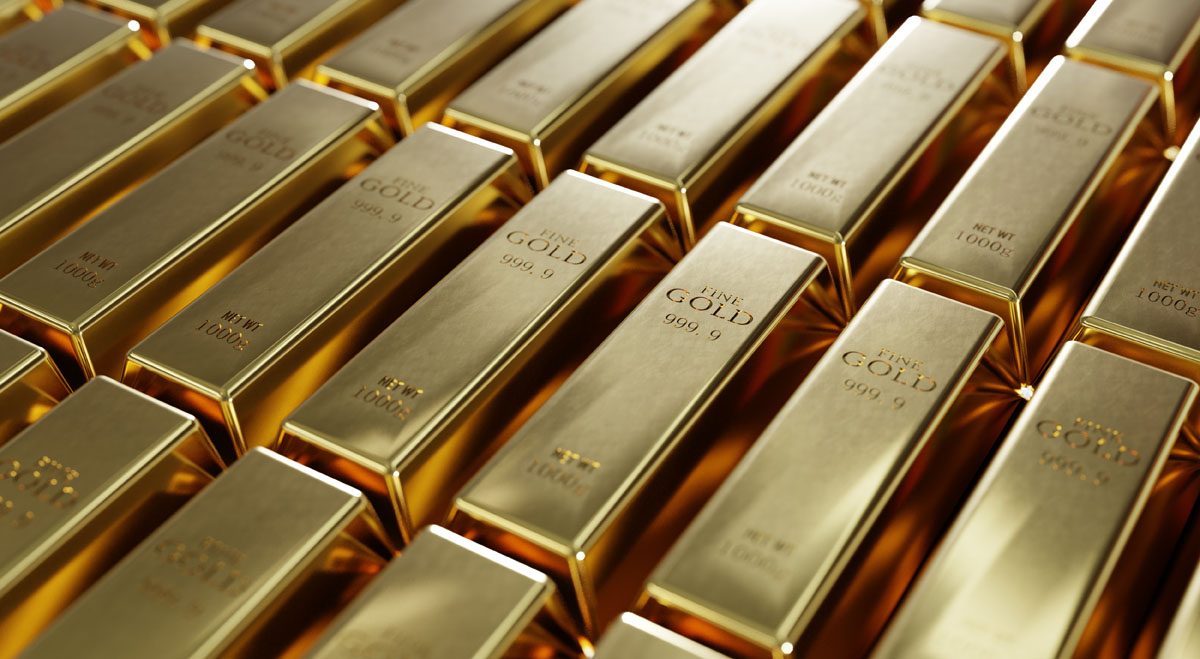
Gold prices extended their decline on Thursday as higher U.S. Treasury yields and changing expectations for Federal Reserve policy remained in focus alongside an increase in oil prices.
Spot gold fell 0.5% to $4,267.43 an ounce by 04:40 ET, while gold futures declined 0.4% to $4,301.17 an ounce.
The moves followed a decline in the previous session as markets increased their expectations for additional Federal Reserve interest rate rises.
Changes in interest rate expectations can affect demand for gold because the precious metal does not generate interest, while higher yields can increase the potential returns available from government bonds and other interest-bearing assets.
Brent Above $100 as Markets Follow U.S.-Iran Developments
Energy prices remained another consideration for investors, with benchmark Brent crude moving back above $100 a barrel.
Markets continued to monitor negotiations involving the United States and Iran and the outlook for shipping through the Strait of Hormuz.
Iranian President Masoud Pezeshkian said Iran would not allow freedom of navigation through the strait while U.S. sanctions and the blockade remained in place.
U.S. President Donald Trump had previously described discussions with Iranian representatives at the United Nations General Assembly as “very good.” He had separately threatened Iran with “annihilation” if hostilities escalated.
The developments left traders assessing the prospects for changes to regional shipping conditions and energy supplies.
Fed Rate Expectations Shift After U.S. Activity Data
U.S. economic data also contributed to changes in interest rate expectations.
Business activity expanded at its fastest rate in more than five years during September, according to the figures cited in the supplied material.
CME FedWatch data provided with the source indicated that markets were pricing a 77.5% probability of an interest rate increase at the Federal Reserve’s October meeting. That compared with 55.4% one week earlier.
Market pricing also indicated a probability above 58% of another increase in December, compared with 41.7% a week earlier.
These probabilities measure market expectations at a particular point in time and can change as economic data and Federal Reserve communications develop. They do not establish the outcome of future policy meetings.
The Federal Reserve raised its benchmark interest rate by 25 basis points at its September meeting.
Treasury Yields Add Pressure to Gold
The shift in rate expectations coincided with higher U.S. government bond yields.
The benchmark 10-year Treasury yield recorded its largest one-day increase since April 2025 during the previous session.
Higher bond yields increase the returns available on interest-bearing securities, which can affect the relative demand for non-yielding assets such as gold.
The outlook for inflation was also being assessed in the context of higher energy prices, with investors considering whether changes in oil costs could influence future Federal Reserve decisions.
Metals Markets Await Trump-Xi Meeting
Trade policy was another factor being monitored ahead of a meeting between Trump and Chinese President Xi Jinping.
Critical-mineral flows are among the issues relevant to metals markets.
Britannia Global Markets analysts said a “broader deal or concessions on critical-mineral flows” could support metals, while “a breakdown would revive tariff risk.”
“Watch the communique for metals-specific language,” the analysts said.
The statements describe Britannia Global Markets’ assessment of possible scenarios surrounding the meeting. They do not indicate that an agreement, concessions or a breakdown in negotiations will occur.
Leave a Reply