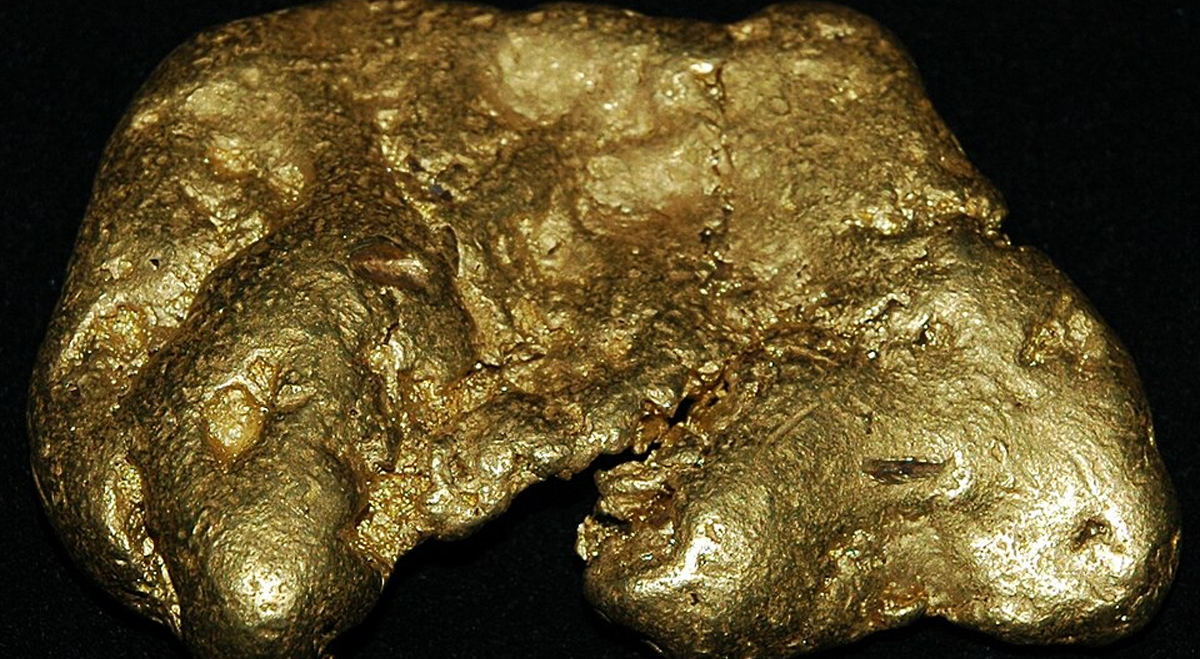
Gold prices recovered slightly on Tuesday following a 4% decline in the previous session, although the metal remained close to a seven-week low as higher Treasury yields and expectations for further Federal Reserve interest rate increases remained in focus.
At 00:13 ET (04:13 GMT), spot gold rose 0.4% to $4,131.10 an ounce, while gold futures declined 0.2% to $4,162.32.
Silver was down 0.3% at $60.45 an ounce and platinum fell 1% to $1,700.17. The US Dollar Index increased 0.1% to 101.27.
Higher Oil Prices Add to Inflation Expectations
Oil prices continued to rise as the dispute between the US and Iran over the Strait of Hormuz remained unresolved.
According to the supplied information, Iranian officials had privately expressed pessimism about reaching an agreement with Washington to end hostilities before the US midterm elections in November. President Donald Trump had rejected Tehran’s latest proposal to reopen the Strait of Hormuz within seven days.
The conflict has continued for eight months, affecting global energy flows and contributing to inflation expectations.
Higher crude prices coincided with further selling in US government bonds on Monday, with the benchmark 10-year Treasury yield reaching its highest level in 19 years.
Rising bond yields can reduce the relative appeal of gold because the metal does not provide interest income.
The Treasury selloff, which began after the US-Iran conflict started in late February, has accelerated over the past month. The resulting increase in yields has also raised borrowing costs.
The Trump administration has increased Treasury buybacks in an effort to reduce pressure on longer-term borrowing costs, although yields have continued to increase.
Cleveland Federal Reserve President Beth Hammack attributed the rise in longer-term yields to several factors, including a stronger economic growth outlook, concerns about government debt and expectations for further interest rate increases.
Gold Down Around 7% During September
Gold has declined approximately 7% in September after reaching around $4,510 an ounce earlier in the month.
The move followed the Federal Reserve’s first interest rate increase since 2023, while policymakers have indicated that further increases remain possible as they address persistent inflation.
According to the supplied material, markets were assigning an approximately 70% probability to another interest rate increase in October.
ANZ analysts said gold had fallen to around $4,130 an ounce as higher US Treasury yields led to renewed selling. The bank’s analysts also said rising energy prices had increased expectations for another Federal Reserve rate increase in the near term.
Federal Reserve Governor Lisa Cook said on Monday that productivity gains associated with artificial intelligence may not be sufficient to offset short-term inflation pressures.
Cook also said investment in data centres was increasing competition for shared resources, including energy and construction labour.
ANZ said higher yields and inflation risks continued to create a difficult near-term macroeconomic environment for gold.
Investors will next assess Wednesday’s personal consumption expenditures inflation report, the Federal Reserve’s preferred measure of inflation, followed by Friday’s nonfarm payrolls data for further information on the potential direction of monetary policy.
Leave a Reply