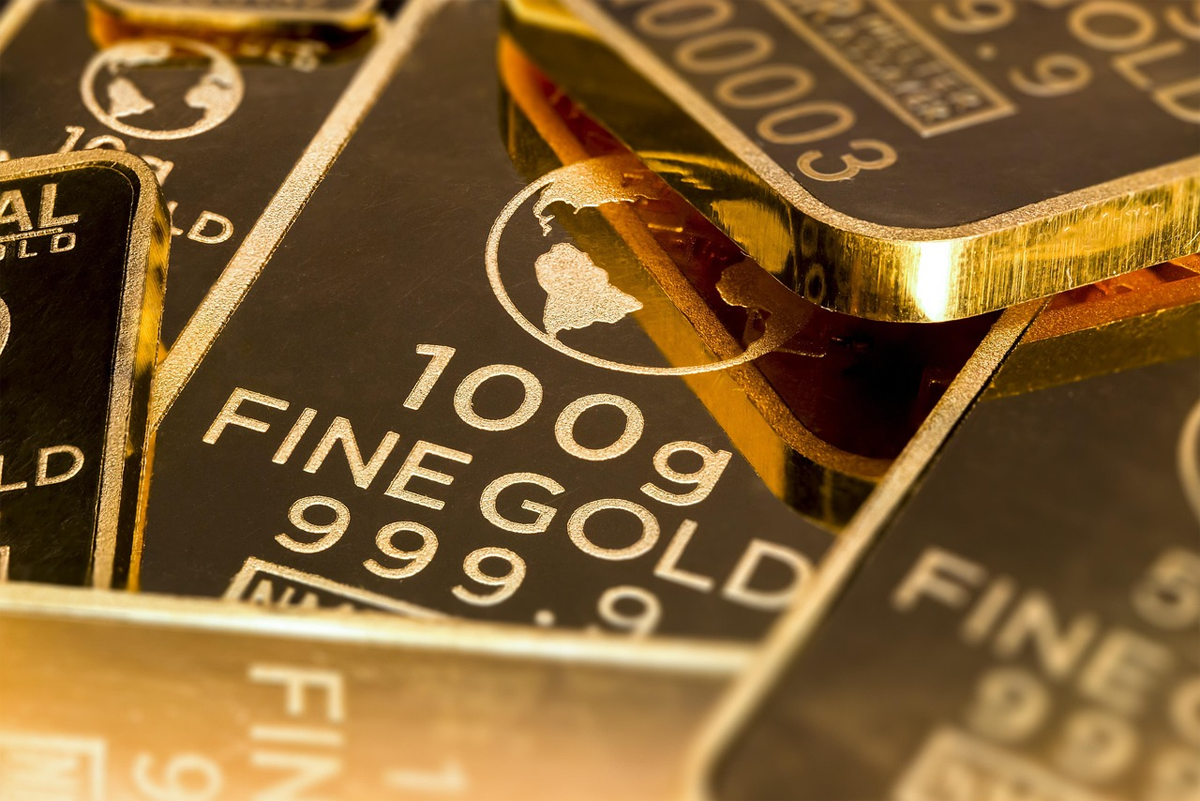
Gold prices edged higher on Wednesday but remained on track to record a monthly decline as investors prepared for the latest U.S. inflation figures, which could provide further indications about the Federal Reserve’s monetary policy outlook.
At 05:28 ET, spot gold rose 0.1% to $4,187.64 an ounce, while gold futures increased 1.0% to $4,219.30 an ounce.
Spot gold has fallen by approximately 6% over the past month despite Wednesday’s modest increase.
Markets are focused on the direction of U.S. inflation and how the Federal Reserve may adjust monetary policy over the coming months. The outlook for interest rates is an important consideration for gold because higher rates can reduce the relative attractiveness of non-yielding assets.
Markets Await Fed’s Preferred Inflation Measure
Wednesday’s economic calendar includes the latest personal consumption expenditures price index, an inflation measure closely followed by Federal Reserve policymakers.
David Morrison, Senior Market Analyst at Trade Nation, said the release could affect financial markets.
“[Wednesday] sees the latest update on US Core PCE, the Fed’s preferred inflation measure, which has the potential to shake things up a bit,” Morrison said in a note.
The Federal Reserve raised its benchmark interest rate by 25 basis points earlier this month as policymakers sought to address increasing inflationary pressures.
Whether additional increases will be required remains under discussion.
New York Federal Reserve President John Williams said this week that there may not be “urgency” to raise rates again immediately at the central bank’s October meeting.
The Federal Open Market Committee’s latest interest-rate projections nevertheless showed that 16 of its 18 officials expected at least one further rate increase this year.
August Core PCE Expected to Accelerate to 0.3%
The personal consumption expenditures price index will provide another indication of the extent of inflationary pressures in the U.S. economy.
Core PCE, which excludes food and energy prices, is expected to rise 0.3% month on month in August, compared with an increase of 0.2% previously.
The headline measure is forecast to increase 0.4% month on month, also accelerating from 0.2%.
On a year-on-year basis, core PCE is projected at 3.3%, while headline PCE inflation is expected to stand at 3.7%.
Those rates would match their respective July readings but remain above the Federal Reserve’s 2% inflation target.
The release could affect expectations about whether policymakers will increase interest rates again before the end of the year.
Qatar Holds Talks With Washington and Tehran Over Hormuz
Developments in the Middle East also remain relevant for the outlook for inflation through their potential effect on global energy supplies.
Qatar is mediating between Washington and Tehran, with discussions centred on an agreement that could include the reopening of the Strait of Hormuz.
Reopening the waterway could improve the outlook for global oil supply flows, although the supplied information indicated that prospects for an agreement remained limited.
President Donald Trump has rejected reports that Washington offered Iran sanctions relief.
Tehran, meanwhile, has continued to seek conditions connected with reopening the Strait of Hormuz.
Oil Prices Remain Elevated Despite Supply Improvements
Signs of improving supplies from the Middle East have emerged, but oil prices remain elevated.
Higher crude prices can add to inflationary pressures, which in turn can affect expectations about the direction of central bank monetary policy.
The interaction between energy prices, inflation and interest rates therefore remains relevant to gold, particularly as investors assess whether the Federal Reserve could continue tightening monetary policy.
Leave a Reply