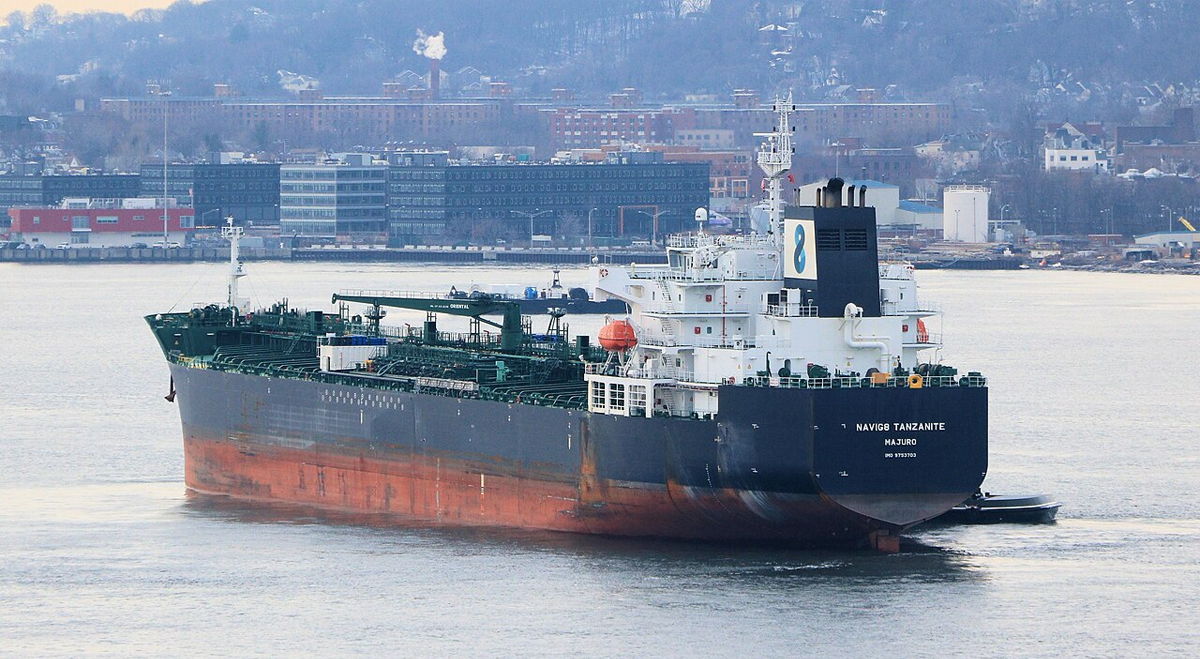
Oil prices rebounded on Wednesday following sharp losses in the previous session, as markets weighed recovering crude exports from Saudi Arabia against continuing disruption to shipments through the Strait of Hormuz.
At 05:06 ET, November Brent crude futures rose 1.0% to $103.64 per barrel, while U.S. West Texas Intermediate futures increased 0.9% to $90.21 per barrel.
The recovery followed Tuesday’s declines, when Brent settled 2.6% lower and WTI dropped 3.5%.
Oil prices had come under pressure as Saudi Arabia resumed crude loadings from the Red Sea port of Yanbu following the restart of its East-West Pipeline. The infrastructure gives the country an alternative route for crude exports that does not require tankers to pass through the Strait of Hormuz.
Saudi Crude Flows Increase Through Red Sea Export Route
Saudi Aramco has notified customers about its October loading schedule, while shipping data indicated that almost 10 million barrels of crude were being loaded at Yanbu and nearby Al Muajjiz, according to Reuters.
Separately, Bloomberg reported that Saudi Arabia had restored flows through the East-West Pipeline to at least 3.5 million barrels per day, citing people familiar with the matter.
That represents approximately half of the pipeline’s total capacity.
The East-West Pipeline enables Saudi Arabia to move crude from producing regions in the east of the country to export facilities on the Red Sea, bypassing the Strait of Hormuz.
The recovery in Saudi flows has reduced some of the immediate supply risks associated with the regional conflict, although disruption to the main Gulf export route continues to affect the broader supply outlook.
Markets Continue to Price in Extended Hormuz Disruption
The Strait of Hormuz remains a central uncertainty for oil markets despite increased flows through alternative routes.
The waterway has effectively been closed since shortly after the U.S. and Israel began their joint assault on Iran in late February.
Diplomatic attempts to reopen the route have so far failed to produce a breakthrough.
Deutsche Bank analysts said market pricing continued to reflect expectations that the disruption could last for an extended period.
Traders are “still pricing in a lengthier period of disruption, even as increased oil flows out of the Gulf have eased the near-term pressure,” the analysts said.
The improvement in Gulf export flows has therefore reduced some immediate supply pressure without resolving the uncertainty surrounding the Strait of Hormuz.
Qatar Continues Mediation Between U.S. and Iran
Qatar is mediating between Washington and Tehran as efforts continue to reach an agreement over the Strait of Hormuz.
Discussions are focused on a potential arrangement that could include reopening the strait and easing some U.S. pressure on Iran.
President Donald Trump has rejected reports that the U.S. offered Tehran sanctions relief.
Iran, meanwhile, has continued to seek conditions connected with reopening the Strait of Hormuz.
The negotiations have yet to result in an agreement that would restore shipping through the waterway.
U.S. Administration Reportedly Weighs Diesel Export Ban
Energy prices are also in focus in the U.S., where Trump is considering several measures aimed at addressing higher domestic fuel costs, according to a Financial Times report cited in the supplied information.
The measures under consideration include a possible ban on U.S. diesel exports.
The discussions come as higher fuel prices increase pressure on the domestic economy and the administration.
U.S. diesel prices reached $6.53 per gallon last week, more than 70% above their pre-war level, according to the Financial Times.
The potential diesel export restrictions are among the options reportedly being considered as the administration assesses measures intended to reduce domestic fuel prices.
Leave a Reply