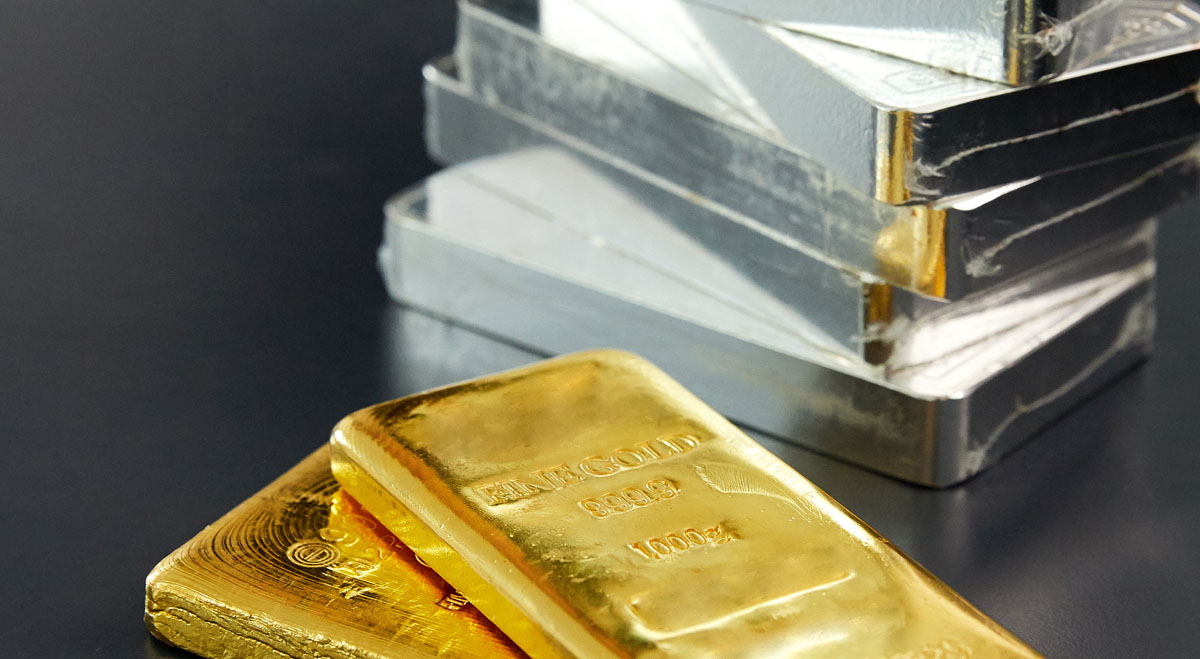
Intercontinental Exchange (NYSE:ICE) began trading precious metals derivatives in London this week, introducing futures contracts covering gold, silver, platinum and palladium.
The contracts are linked to the daily auction prices operated by ICE in London and range in duration from same-day settlement to six months. Clearing will take place through ICE’s London operation, which also handles Brent crude oil futures.
London is a major centre for physical bullion trading, with more than $190 billion of over-the-counter physical gold transactions conducted daily and approximately $1.4 trillion of bullion held in the city, according to the supplied material.
Contracts Linked to London Physical Market
ICE’s new futures contracts will settle against the physical auction prices it manages for all four precious metals.
Chris Rhodes, president of ICE Futures Europe, said: “Derivatives markets generally are there to support the physical market.”
“The physical market is in London. We believe that if you were to enable people to manage their risk in a different way . . . that could be an attractive prospect, particularly if it’s linked into the auction price.”
London’s bullion pricing systems are used as benchmarks for transactions and investment products internationally.
ICE acquired the gold benchmark approximately 10 years ago. Since then, participation in its auction has increased from four firms to 20, including Jane Street, DRW, Goldman Sachs and Citi.
Daily auction volumes have risen to more than 424,000 ounces, representing growth of more than 30% since 2015, according to the supplied material.
Previous London Gold Futures Markets Closed
London has previously hosted gold futures markets, although recent initiatives did not remain operational.
The London Metal Exchange closed its gold futures contract in 2022 following five years of low trading volumes. An earlier London Gold Futures Market ceased operations in the mid-1980s.
In the U.S., CME Group’s gold futures contract averaged approximately $125 billion in daily trading volume during the first half of the year, according to the supplied material.
Gold reached a record of more than $5,500 per troy ounce in January.
Gold Storage Patterns Shift
Changes in trade policy, economic sanctions and geopolitical considerations have also affected the movement and storage of physical gold.
Following trade measures introduced in April 2025, dealers transferred substantial quantities of gold to the U.S. as New York futures prices traded above physical prices in London, according to the supplied material.
Central banks have also reconsidered the location of some gold reserves. Last month, the Dutch central bank transferred more than 78 tonnes of gold from New York to London, citing “increasing geopolitical unrest” and concerns about potential government action.
Hong Kong and Singapore are expanding gold storage facilities, while France and India have transferred gold back to their domestic markets, according to the supplied material.
Venezuela is also working to transfer approximately $4 billion of disputed reserves from the Bank of England to New York.
Leave a Reply