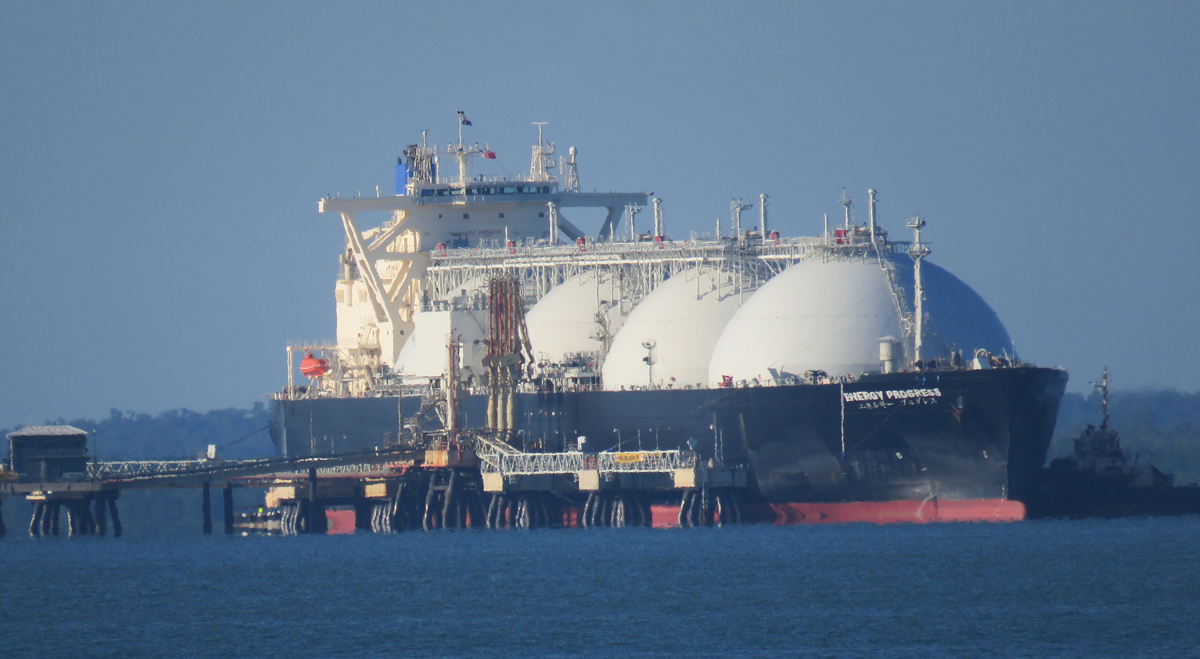
European natural gas prices declined on Tuesday, 27 October 2026, ending four consecutive sessions of gains after benchmark contracts reached their highest levels since 2022. The pullback followed a sharp increase in prices linked to disruptions in Norwegian pipeline supplies, while below-average European storage levels and uncertainty surrounding liquefied natural gas shipments continued to influence the market.
The benchmark Dutch TTF front-month natural gas contract fell to €96.29 per megawatt-hour (MWh), compared with Monday’s settlement of €97.19, its highest closing level in four years.
In the United Kingdom, NBP natural gas futures also declined, trading at 238.00 pence per therm after closing at 239.33 pence on Monday.
The price movements came as traders assessed an unplanned production disruption at Norway’s Oseberg offshore field, lower European gas inventories and interruptions to maritime energy shipments associated with tensions in the Middle East.
Dutch TTF Natural Gas Prices Decline From Four-Year High
The Dutch TTF front-month contract declined to €96.29/MWh on Tuesday, representing a decrease of approximately 0.9% from Monday’s settlement of €97.19/MWh.
The movement marked the first decline in five trading sessions after a four-day period of rising prices.
Monday’s settlement was the highest recorded since 2022, reflecting increased attention to European gas supply conditions.
The latest decline occurred as market participants reassessed the immediate effects of Norwegian supply disruptions following the previous session’s increase.
Despite the daily decrease, benchmark prices remained close to their recent highs.
European gas market conditions continue to be influenced by pipeline availability, liquefied natural gas imports, storage inventories and seasonal consumption requirements.
UK Natural Gas Futures Also Move Lower
British natural gas prices followed a similar pattern.
The NBP futures contract declined to 238.00 pence per therm, compared with Monday’s closing level of 239.33 pence.
This represented a decrease of approximately 0.6%.
The movement coincided with a reduction in immediate delivery pressure following the previous session’s increase.
The UK gas market is connected to wider European supply conditions through pipeline infrastructure and liquefied natural gas imports.
Changes in continental gas availability and international LNG prices can therefore influence British wholesale gas contracts.
The latest decline did not eliminate concerns about supply availability during the approaching winter heating season.
Norwegian Oseberg Disruption Reduces Pipeline Supply
A disruption at Norway’s offshore Oseberg field was among the principal developments affecting European natural gas prices.
Norwegian gas network operator Gassco reported an unplanned reduction in supply from the field.
The initial estimated disruption of 7.7 million cubic metres per day was subsequently increased to 12.7 million cubic metres per day.
The revised figure represented an additional reduction of 5 million cubic metres per day compared with the original estimate.
Norway is a major pipeline gas supplier to European markets, making changes in its production and transportation infrastructure relevant to regional supply balances.
The interruption occurred as European utilities were preparing for seasonal heating demand and assessing the availability of gas supplies for the coming months.
The source did not provide a confirmed date for the restoration of full production at Oseberg.
European Gas Storage Falls Below Historical October Levels
European underground gas storage levels remain a central consideration for the market.
According to data cited from Gas Infrastructure Europe (GIE), storage facilities across the European Union were approximately 74.6% full.
This compares with a historical average of approximately 86% for the same period of the year.
Storage levels were also substantially below the 95% recorded at the corresponding point in 2025.
The reported inventory level was the lowest for late October in the available data series dating back to 2009.
The difference between current and historical storage levels indicates that Europe is entering the winter heating period with smaller gas reserves than in previous years.
Underground storage facilities are used to balance seasonal differences between gas supply and demand.
Gas is typically injected into storage during periods of lower consumption and withdrawn when heating demand increases.
Lower inventories can increase the importance of continued pipeline deliveries and LNG imports during periods of higher consumption.
Storage Deficit Increases Dependence on Gas Imports
The European Union’s reported storage level of 74.6% is approximately 11.4 percentage points below the historical average of 86%.
It is also 20.4 percentage points below the 95% level reported for the corresponding period in the previous year.
These differences illustrate the reduced inventory buffer available ahead of the winter season.
The effect of lower storage depends on several factors, including weather conditions, industrial demand, pipeline deliveries and LNG import availability.
If heating demand increases earlier than expected, utilities may need to withdraw gas from storage sooner.
Additional withdrawals would reduce inventories available for later periods of the winter.
The source did not provide a forecast for the volume of gas that European utilities will withdraw during November or the remainder of the heating season.
Middle East Disruptions Affect LNG Shipments to Europe
International liquefied natural gas supply conditions are another factor affecting European gas markets.
The source reported that military escalation involving Iran and Yemen’s Houthi movement had disrupted LNG shipments travelling through the Strait of Hormuz.
Middle Eastern seaborne LNG deliveries to Europe were reported to be nearly 80% lower than a year earlier.
The Strait of Hormuz is an important maritime route for energy exports from the Persian Gulf.
Disruptions to shipping through the region can affect the availability and transportation of LNG cargoes destined for international markets.
For European buyers, reduced deliveries from the Middle East increase the importance of alternative suppliers and available cargoes from other regions.
The source did not provide the absolute shipment volumes underlying the reported year-on-year decline.
Goldman Sachs Highlights Energy Supply Uncertainty
Goldman Sachs analysts linked the increase in European natural gas prices to uncertainty surrounding energy supplies from the Middle East.
“The rise in the TTF risk premium is consistent with an increase in perceived Mideast energy supply uncertainty,” the analysts said.
The bank also pointed to developments affecting tanker movements near the Strait of Hormuz.
“An increase in tanker attacks near Hormuz earlier this month has kept daily tanker crossing numbers volatile and forward supply highly uncertain.”
The comments indicate that perceived risks to future energy deliveries have contributed to the pricing of European natural gas contracts.
A risk premium can develop when market participants assign additional value to securing supply because of uncertainty about future availability.
Such premiums may change as shipping conditions, production levels and market expectations evolve.
November Weather Forecasts Add to Winter Supply Considerations
Weather forecasts for early November indicated the possibility of colder conditions across Northern Europe.
Lower temperatures typically increase natural gas consumption for residential and commercial heating.
Higher heating demand can also increase withdrawals from underground storage facilities.
With European inventories already below historical levels, an early increase in consumption could affect the amount of gas remaining available later in the winter.
The extent of any additional demand will depend on actual temperatures and the duration of colder conditions.
The supplied information did not include specific temperature forecasts or estimated changes in gas consumption.
European Buyers Face Competition for LNG Cargoes
European gas importers also face competition from Asian buyers for internationally traded LNG supplies.
Both regions purchase cargoes from producers operating in the Atlantic basin and other export markets.
When supply availability is limited, changes in demand or shipping conditions can influence competition for available cargoes.
Reduced Middle Eastern shipments to Europe may increase the region’s reliance on alternative sources.
The combination of lower storage inventories, Norwegian pipeline disruptions and uncertainty surrounding maritime deliveries has increased attention to LNG procurement ahead of winter.
However, the source did not provide current LNG spot prices or specific contract volumes showing the extent of competition between European and Asian importers.
Outlook for European Natural Gas Markets
European natural gas prices declined on Tuesday following four consecutive sessions of gains.
The Dutch TTF benchmark fell to €96.29/MWh, while the UK NBP contract decreased to 238.00 pence per therm.
The daily pullback followed price increases associated with an unplanned Norwegian supply disruption and uncertainty over international LNG deliveries.
European storage facilities were reported to be 74.6% full, compared with a historical late-October average of 86%.
Market participants will continue to assess the duration of the Oseberg disruption, the availability of LNG shipments, storage withdrawals and weather conditions as the winter heating season approaches.
The interaction of these factors will remain relevant to wholesale gas pricing across Europe.
More About European Natural Gas Markets
European wholesale natural gas markets use several benchmark contracts to determine prices for physical deliveries and financial transactions.
The Dutch Title Transfer Facility (TTF) is a principal benchmark for continental European natural gas, with prices commonly quoted in euros per megawatt-hour.
The UK’s National Balancing Point (NBP) is a benchmark for British natural gas trading, with prices typically expressed in pence per therm.
Both markets are influenced by pipeline supplies, LNG imports, storage inventories, seasonal consumption and international energy developments.
On 27 October 2026, TTF front-month gas traded at €96.29/MWh, while UK NBP futures stood at 238.00 pence per therm.
Leave a Reply