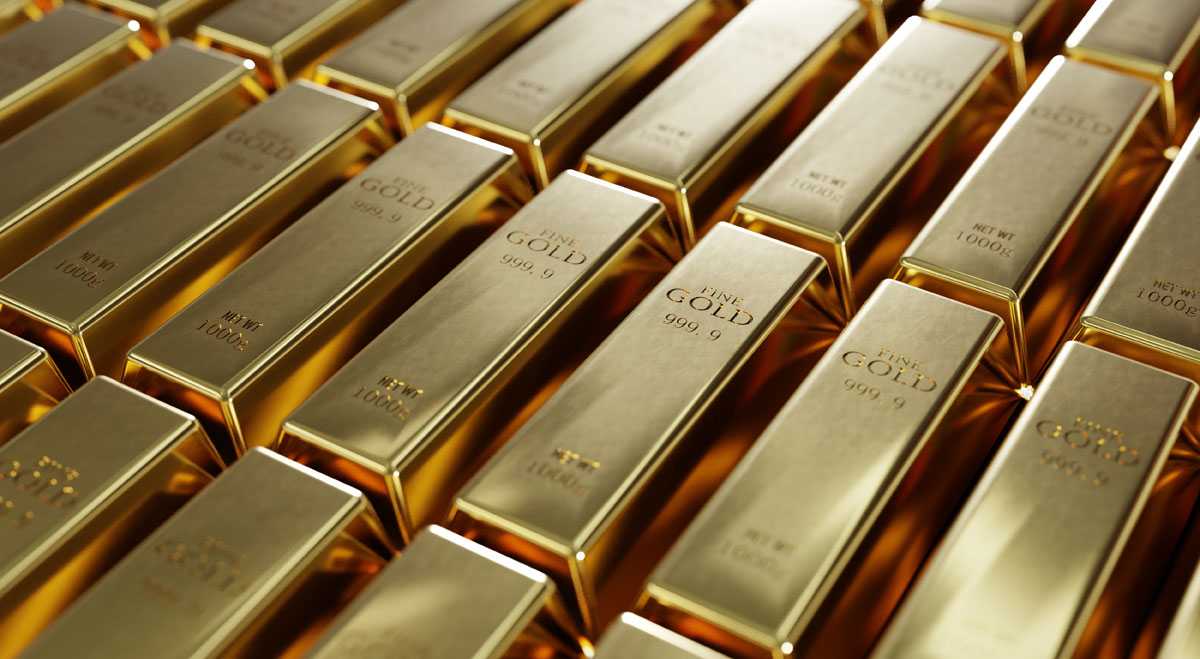
Gold prices moved lower on Tuesday, briefly falling beneath the $4,000-per-ounce level as investors prepared for the Federal Reserve’s upcoming interest-rate decision and assessed diplomatic efforts involving the United States and Iran.
At 05:58 ET (09:58 GMT), spot gold declined 0.5% to $3,998.23 per ounce, while U.S. gold futures were down 0.6% at $4,013.17 per ounce.
The decline followed a 0.5% increase in the previous session, with traders evaluating the likelihood that the Federal Reserve will maintain its current interest-rate settings when policymakers announce their decision on Wednesday.
Markets Assign 10% Probability to Immediate Fed Rate Increase
Market pricing suggests an approximately 10% chance that the Federal Reserve will raise interest rates at this week’s meeting.
The central bank increased borrowing costs in September for the first time since 2023, with subsequent economic data influencing expectations for additional policy adjustments.
U.S. inflation figures that exceeded forecasts initially prompted traders to increase expectations for another rate increase in October.
However, comments from Federal Reserve officials indicating that further monetary tightening was not immediately necessary subsequently reduced those expectations.
Despite the relatively low probability assigned to an increase this week, elevated energy prices have sustained expectations that the central bank could raise rates again before the end of the year.
Investors are awaiting Wednesday’s announcement for further information about policymakers’ assessment of inflation and the potential timing of future interest-rate changes.
Oil Price Movements Remain Relevant to Inflation Outlook
Oil prices increased during volatile trading on Tuesday, even as diplomatic initiatives involving Iran raised expectations that further military escalation could be avoided.
Energy prices remain elevated, contributing to inflation concerns and influencing market expectations regarding the Federal Reserve’s future policy decisions.
A reduction in tensions between the United States and Iran could help contain energy costs, although the outcome of the diplomatic efforts remains uncertain.
At the same time, inflation remaining elevated could maintain the possibility of additional interest-rate increases later in the year.
The interaction between energy costs and inflation expectations remains a factor in assessments of the monetary policy outlook.
Diplomatic Efforts Involving Iran Continue
Investors are also following developments in diplomatic discussions aimed at reducing tensions surrounding the conflict between the United States and Iran.
The latest diplomatic initiatives have raised expectations that further military escalation might be prevented, although no definitive outcome has been established.
Oil markets have continued to experience price fluctuations despite these developments, reflecting the combination of ongoing diplomatic activity and uncertainty surrounding regional tensions.
Changes in the geopolitical situation could influence energy prices, which remain relevant to inflation expectations and the outlook for U.S. monetary policy.
Gold Investors Await Wednesday’s Fed Announcement
Gold’s move below $4,000 per ounce comes as markets reassess the prospects for U.S. borrowing costs following September’s interest-rate increase and subsequent inflation data.
The Federal Reserve’s upcoming announcement will provide an updated policy decision as investors consider whether additional monetary tightening could occur before the end of 2026.
While current market pricing indicates limited expectations for an immediate increase, the possibility of further adjustments remains part of the outlook amid elevated energy prices.
Gold market participants are monitoring Wednesday’s Federal Reserve decision alongside developments in U.S.-Iran diplomacy and their potential implications for inflation and monetary policy.
Leave a Reply