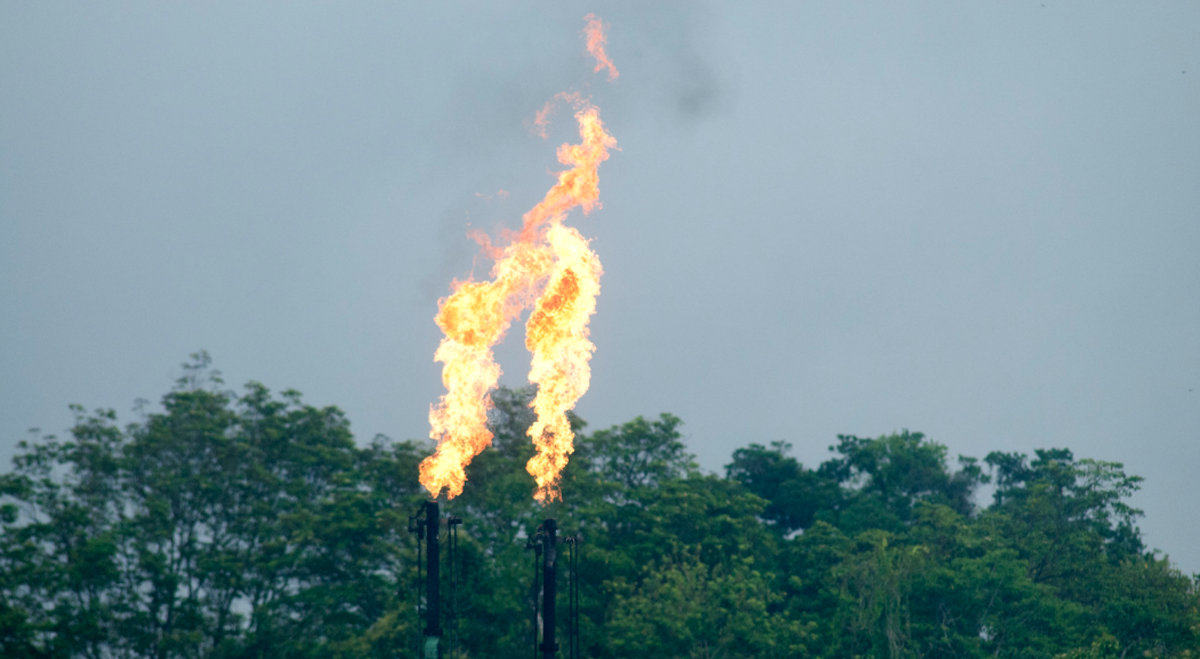
European natural gas prices climbed to their highest levels since 2022 on Wednesday as renewed attacks on Saudi Arabian energy infrastructure increased concerns about global fuel supplies. The latest developments in the Middle East added pressure to European energy markets ahead of the winter heating season, while disruptions to liquefied natural gas shipments continued to affect supply availability.
The benchmark Dutch TTF front-month natural gas contract rose 1.2% to €97.35 per megawatt-hour (MWh), its highest level in approximately four years.
In the United Kingdom, NBP natural gas futures advanced 1.5% to 241.00 pence per therm, extending their gains for a sixth consecutive trading session.
The price increases followed reports of further missile and drone attacks by Yemen’s Iran-aligned Houthi movement against Saudi Arabian energy facilities and transport infrastructure.
Dutch TTF and UK Natural Gas Prices Continue Rising
European wholesale gas markets recorded further gains as traders assessed the potential consequences of escalating tensions in the Middle East.
The Dutch TTF contract, widely used as the reference price for continental European natural gas, increased 1.2% to €97.35/MWh.
The British NBP benchmark rose 1.5% to 241.00 pence per therm, marking its sixth successive session of gains.
Both benchmarks reached levels last recorded in 2022, when European energy markets experienced substantial price volatility.
The latest increases reflect concerns about the availability of imported fuel, particularly liquefied natural gas, as Europe approaches a period of higher seasonal demand.
Houthi Attacks Target Saudi Energy Infrastructure
The latest rise in natural gas prices followed renewed attacks on Saudi Arabian energy facilities attributed to Yemen’s Houthi movement.
On Tuesday, the group announced that it had targeted the Ras Tanura oil refinery with a ballistic missile.
Ras Tanura is one of Saudi Arabia’s principal refining and crude oil export facilities, making it an important component of the country’s energy infrastructure.
The reported attack followed earlier strikes during the week against pumping stations along Saudi Arabia’s East-West Crude Oil Pipeline.
Riyadh’s King Khalid International Airport was also identified among the targets.
The developments increased concerns about the security of energy infrastructure and transport networks across the region.
The reported attacks came amid continuing military tensions involving Iran and other countries in the Middle East.
Diplomatic Talks Face Renewed Challenges
The escalation followed diplomatic discussions in Tehran earlier in the week.
On Monday, delegations from Saudi Arabia, Turkey and Pakistan met senior Iranian officials to discuss efforts aimed at reducing regional tensions.
Joint statements following the discussions confirmed an agreement to continue dialogue focused on restoring peace and security.
The meetings had raised expectations that diplomatic engagement could help reduce the risks affecting regional energy production and transportation.
However, the subsequent announcement of attacks on Saudi infrastructure renewed concerns about the prospects for a sustained reduction in hostilities.
Energy markets responded by reassessing the risks associated with continued disruptions to production facilities, pipelines and shipping routes.
Saudi East-West Pipeline Remains Important Alternative Route
Saudi Arabia’s East-West Crude Oil Pipeline has become particularly important amid disruption to commercial shipping through the Strait of Hormuz.
The pipeline extends approximately 1,200 kilometres across Saudi Arabia, transporting crude oil from eastern production areas towards export facilities on the Red Sea.
This infrastructure allows some Saudi oil exports to avoid the Strait of Hormuz, a major shipping route connecting the Persian Gulf with international markets.
Disruption to maritime traffic through the strait has increased the importance of alternative transportation corridors.
Attacks on pumping stations serving the East-West Pipeline therefore raise concerns about the reliability of routes intended to reduce dependence on the waterway.
Although the pipeline primarily transports crude oil rather than natural gas, disruptions to regional energy infrastructure can influence wider fuel markets by increasing uncertainty over supply and transportation.
Strait of Hormuz Disruption Affects LNG Shipments
The continuing conflict involving Iran has severely disrupted commercial navigation through the Strait of Hormuz.
The waterway is an important route for international energy shipments, including liquefied natural gas exports from the Persian Gulf.
Restrictions and security concerns affecting maritime traffic have complicated the movement of LNG cargoes towards international markets.
Some LNG carriers have been forced to use longer alternative shipping routes around Africa via the Cape of Good Hope.
According to the reported market conditions, these diversions have extended transit times by approximately 10 to 14 days.
Longer journeys increase shipping requirements and freight costs, while delaying the arrival of cargoes at their destinations.
For European energy buyers, the disruption has created additional difficulties in securing replacement supplies ahead of winter.
European LNG Deliveries Reportedly Fall Sharply
The disruption to established shipping routes has contributed to a substantial reduction in LNG deliveries to European import terminals.
According to the figures cited in the market report, spot LNG deliveries to European regasification facilities were nearly 80% below their levels a year earlier.
The decline reflects the combined effects of shipping disruptions, longer transportation routes and constraints on available cargoes.
European utilities rely on LNG imports as an important source of natural gas, particularly when pipeline supplies are insufficient to meet demand.
Reduced deliveries can increase competition for available shipments and place upward pressure on wholesale gas prices.
The reported reduction in spot cargoes is particularly relevant as European energy demand begins to increase during the colder months.
EU Gas Storage Falls Below Seasonal Average
European underground natural gas inventories are also below their typical levels for late October.
Data attributed to Gas Infrastructure Europe indicates that storage facilities across the European Union were approximately 74.6% full.
This compares with a five-year seasonal average of around 86%.
During the comparable period in the previous year, storage levels exceeded 95%.
The reported October 2026 inventory level represents the lowest regional storage position for that point in the year in records dating back to 2009.
The difference between current inventories and historical levels indicates that Europe is entering the winter heating period with a smaller stored gas reserve than usual.
Lower storage levels can increase sensitivity to supply interruptions, particularly when imported LNG volumes are constrained.
Colder Weather Could Increase Early Winter Demand
Weather forecasts have added to concerns about European gas availability.
Meteorological services have indicated the possibility of below-seasonal-average temperatures across parts of Northern and Central Europe in early November.
Colder conditions would increase demand for natural gas used in residential and commercial heating.
Utilities could therefore begin withdrawing gas from underground storage facilities earlier or at a faster rate than under milder weather conditions.
With EU storage already below its five-year seasonal average, stronger heating demand could place additional pressure on inventories.
The extent of that pressure will depend on actual temperatures, industrial gas consumption and the availability of additional imports.
Energy Security Remains a Focus for European Markets
The combination of geopolitical tensions, shipping disruptions and lower storage inventories has increased uncertainty in European natural gas markets.
Continued attacks on Middle Eastern energy infrastructure could complicate efforts to restore confidence in regional supply routes.
At the same time, longer LNG shipping journeys may affect the timing and cost of deliveries to European import terminals.
The situation highlights Europe’s continuing exposure to developments in international energy markets, particularly during periods of elevated winter demand.
Wholesale gas prices will remain sensitive to changes in Middle Eastern security conditions, LNG availability and European weather forecasts.
Outlook for European Natural Gas Prices
European gas benchmarks reached their highest levels since 2022 as traders assessed renewed threats to Saudi Arabian energy infrastructure and continued disruption to LNG shipments.
The Dutch TTF contract advanced to €97.35/MWh, while UK NBP futures rose to 241.00 pence per therm.
Supply concerns have been compounded by EU underground gas storage levels of approximately 74.6%, substantially below the five-year seasonal average of 86%.
Forecasts of colder weather in early November could further increase demand for heating fuel and accelerate withdrawals from storage.
The direction of European gas prices will depend on developments in Middle Eastern hostilities, the restoration of shipping routes, LNG import availability and the severity of winter weather.
Leave a Reply