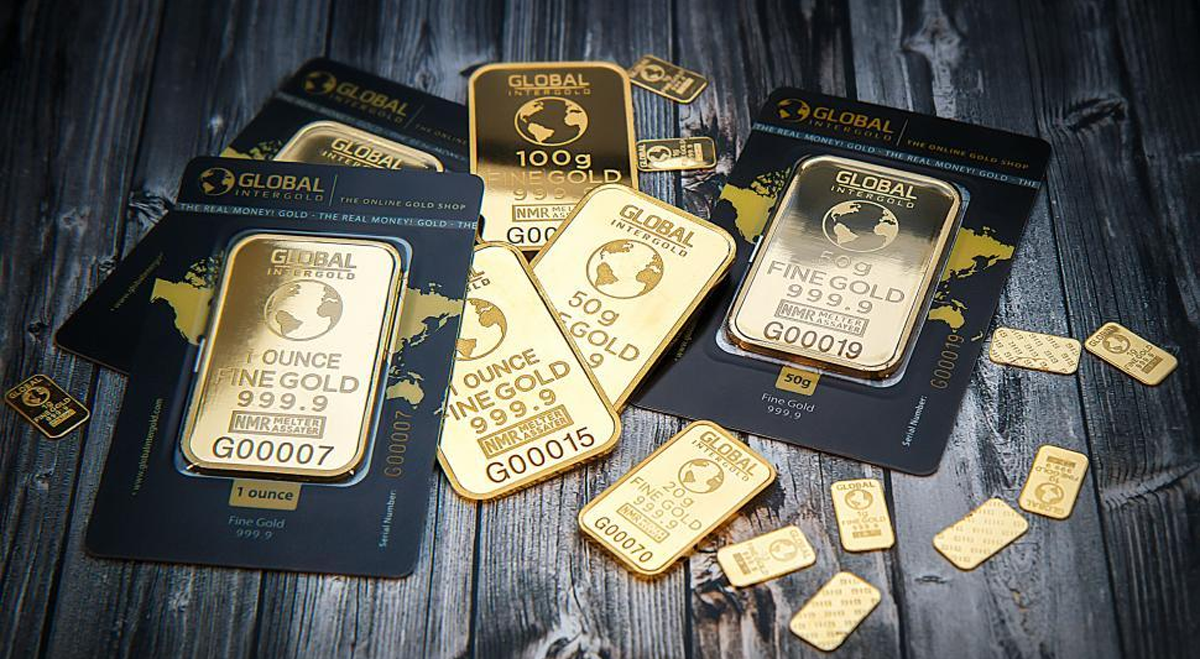
Gold prices declined on Tuesday, 3 November, as selling pressure returned to precious metals following the previous session’s recovery. Investors remained focused on developments in US-Iran peace negotiations, the outlook for interest rates and the US midterm elections.
Spot gold fell 0.7% to $3,920.44 per ounce at 00:55 ET (05:55 GMT), while US gold futures declined 1% to $3,929.67 per ounce.
The losses followed a 1.9% advance on Monday, when signs of diplomatic progress between Washington and Tehran helped ease concerns about energy-driven inflation. However, renewed weakness in technology shares and continued liquidation across precious metals prevented gold from maintaining its recovery.
Precious Metals Retreat Despite Weaker US Dollar
Gold traded below $3,950 per ounce as investors reduced positions across the precious metals market.
Silver fell 2.8% to $49.2455 per ounce, recording a steeper decline than gold, while platinum lost 1% to $1,432.32.
Spot palladium dropped 1.6% to $952.15 per ounce, and palladium futures declined 1.9% to $944.00.
The US Dollar Index edged 0.1% lower to 101.75, but the currency’s modest decline failed to provide meaningful support for bullion.
Gold has struggled to regain momentum following a difficult October, when prices dropped 6.8%.
The metal broke below the psychologically significant $4,000-per-ounce level towards the end of the month and subsequently reached a one-year low.
The latest weakness suggests that investors remain cautious about the prospects for a sustained recovery, despite some improvement in geopolitical sentiment.
Iran Peace Negotiations Help Ease Inflation Concerns
Developments surrounding the conflict between the United States and Iran have played an important role in recent movements across gold and energy markets.
On Monday, Iranian President Masoud Pezeshkian said his administration had received expanded authority from the country’s supreme leader to pursue peace negotiations.
US President Donald Trump also indicated that discussions were progressing, raising hopes that the conflict could move closer to a diplomatic resolution.
The developments contributed to a decline of more than 7% in Brent crude prices on Monday, before oil stabilised on Tuesday.
Lower energy prices have provided some relief from inflation concerns, particularly after the conflict pushed fuel costs higher.
The reduction in oil prices has also temporarily eased expectations that central banks may need to maintain tighter monetary policies to contain inflation.
However, renewed fighting in the Middle East remains a possibility, leaving financial markets vulnerable to sudden changes in geopolitical expectations.
Interest Rate Expectations Remain Important for Gold
The prolonged conflict between the United States and Iran has contributed to higher energy costs and inflationary pressures.
Rising oil prices can increase transportation expenses, production costs and household energy bills, potentially feeding through to broader consumer prices.
Persistent inflation can encourage central banks to keep interest rates elevated or consider additional tightening.
Higher borrowing costs generally make gold less attractive relative to interest-bearing investments because bullion does not provide a regular yield.
The recent decline in crude prices has therefore reduced some of the immediate concerns surrounding further monetary tightening.
Nevertheless, the outlook for inflation and interest rates remains uncertain, particularly if geopolitical tensions cause another increase in energy prices.
Technology Market Losses Trigger Gold Liquidations
Selling pressure in technology stocks has also affected the gold market.
Last week’s retreat in shares linked to artificial intelligence prompted some investors to sell bullion holdings to offset losses elsewhere in their portfolios.
Such liquidation can place downward pressure on gold even during periods when economic and geopolitical uncertainty would normally support demand for defensive assets.
Technology stocks remained weak on Tuesday, with Asian markets recording further losses following a sharper sell-off among US semiconductor companies.
The continued decline increased the possibility that investors would need to raise additional cash by reducing positions in other assets, including precious metals.
As a result, gold remains exposed to broader financial market volatility despite its traditional role as a store of value.
US Midterm Elections Could Influence Bullion Demand
The US midterm elections represent another potential source of market volatility.
Investors are preparing for results that could influence gold trading during Wednesday’s Asian session.
Changes in the balance of political power in Washington could affect expectations for government spending, fiscal policy and the outlook for inflation.
The US budget deficit may also attract renewed attention if the election results create uncertainty over future economic priorities.
Gold could benefit if investors become more concerned about inflation, public finances or geopolitical developments.
However, the direction of prices will depend on the election outcome and how financial markets assess its implications for economic policy.
Chinese Physical Demand and Technical Indicators Provide Support
Although gold remains under pressure, some market indicators suggest that the recent decline may have become excessive.
A technical measure of relative strength moved into oversold territory last week, suggesting that selling momentum could be approaching a point of exhaustion.
An oversold reading does not necessarily indicate an immediate recovery, but it can signal that prices have fallen rapidly enough to attract renewed buying interest.
Physical gold demand has also remained supportive.
According to ANZ, Chinese households increased their purchases during the recent decline, taking advantage of lower prices.
Stronger consumer demand could help absorb some of the selling pressure from financial investors.
Nevertheless, any sustained recovery is likely to depend on broader market conditions, including interest rate expectations and the performance of technology shares.
Gold Price Outlook
Gold faces a combination of financial market volatility, geopolitical uncertainty and changing expectations for monetary policy.
The prospect of progress in US-Iran negotiations has helped reduce concerns about energy-related inflation, but renewed selling in technology stocks has continued to weigh on precious metals.
The US midterm elections could introduce additional volatility if the results change expectations for fiscal spending, inflation or economic policy.
Technical indicators showing oversold conditions and stronger physical demand from China may offer support, although further equity market weakness could trigger additional liquidation.
Investors will continue monitoring the $4,000-per-ounce level, developments in the Middle East and the outlook for US interest rates for indications of whether gold can establish a more sustained recovery.
Leave a Reply