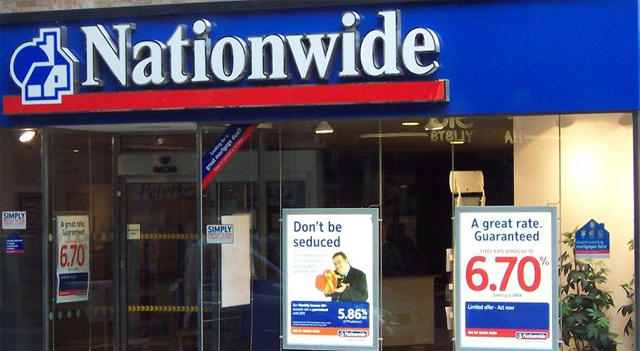
Nationwide Building Society (LSE:NBS) reported lower statutory profit before tax for the six months to 30 September, posting £486 million compared with £568 million a year earlier, after factoring in £409 million in Fairer Share payments made to members.
On an underlying basis, however, profit before tax rose to £977 million from £959 million, supported by stronger income following the acquisition of Virgin Money.
Total underlying income increased to £3.11 billion from £2.13 billion in the comparable period, driven by growth across mortgages and retail deposits as well as the contribution from Virgin Money.
The mutual lender’s underlying net interest margin improved to 1.58%, up from 1.50%. Administrative costs rose sharply to £1.99 billion from £1.16 billion, reflecting the longer reporting period and expenses linked to integrating Virgin Money.
Chief executive Dame Debbie Crosbie said Nationwide was “number one for growth in mortgages and retail deposits”, noting that more customers had switched their current accounts to the society than to any other provider. “All of this, combined with the benefits of our acquisition of Virgin Money, has led to an increase in underlying profit before tax, while delivering £1.2 billion of value to our members,” she added.
Net mortgage lending came in at £4.7 billion, down from £6.3 billion the previous year, although overall mortgage balances rose to £280.6 billion from £275.9 billion — lifting Nationwide’s share of the mortgage market to 16.3%.
Gross mortgage lending climbed to £22.2 billion compared with £17.6 billion a year earlier, reflecting the consolidation of Virgin Money loans. Mortgage arrears of more than three months remained low at 0.42%, slightly under the 0.43% reported in March.
Retail deposits grew by £5.3 billion to £266 billion, keeping Nationwide’s market share at 12.2%. Business current accounts increased to 292,000 from 278,000 in March.
According to the society, its retail deposit interest rates were on average 31% higher than the wider market during the period. Internal switching data showed the group has attracted more than one million net current account switchers since 2013.
Impairment charges rose sharply to £146 million from £7 million, reflecting Virgin Money’s lending exposure as well as the absence of a £40 million release recorded a year earlier. Total impairment provisions increased to £1.31 billion.
Consumer lending balances grew to £11.5 billion, with arrears more than three months past due falling to 0.99% from 1.11%. Business and commercial lending eased slightly to £14.9 billion from £15.1 billion.
Chief financial officer Muir Mathieson said the group achieved “market-leading growth” alongside a “strong financial performance,” highlighting a CET1 ratio of 18.4% and a 5.2% leverage ratio, both described as “robust.”
Nationwide said the integration of Virgin Money was progressing ahead of schedule. The group has agreed to sell Virgin Money’s investments and pensions arm and is preparing for the Part VII transfer of Clydesdale Bank PLC’s assets and liabilities on April 2, 2026, which will involve around 6.6 million customers. System migrations are planned to begin after the transfer.
The lender noted that UK economic growth remained modest but said the housing and savings markets were showing resilience. It also reported strong capital, liquidity and credit quality, including an average Liquidity Coverage Ratio of 163% during the period.
Leave a Reply