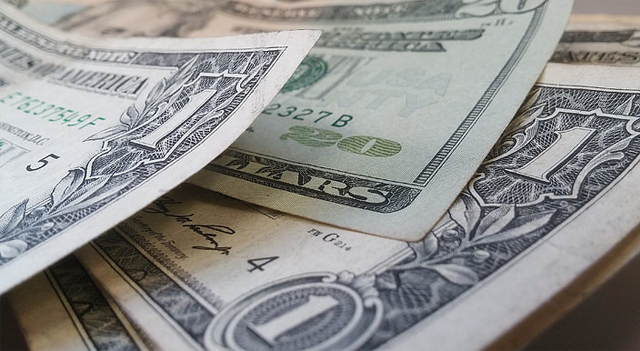
The U.S. dollar gained slightly in early Thursday trading, though overall activity remained muted due to the Thanksgiving holiday in the United States. Even with the modest uptick, the currency is still on track for its sharpest weekly decline in four months.
As of 04:49 ET (09:49 GMT), the U.S. dollar index — which measures the greenback’s performance against six major peers — ticked up 0.1% to 99.69.
Market sentiment was influenced by reports indicating that White House economic adviser Kevin Hassett is currently viewed as the leading candidate to succeed Federal Reserve Chair Jerome Powell. Analysts noted that Hassett’s reputation for favoring deeper interest rate cuts could ultimately pressure the dollar.
Hassett is known to be a close ally of President Donald Trump, who has repeatedly urged both the Fed and Powell to pursue faster and more aggressive reductions in borrowing costs to boost economic growth.
Despite some policy disagreement within the Fed, traders increasingly expect the central bank to deliver a 25-basis-point reduction at its December meeting. That would follow consecutive quarter-point cuts in October and September, reflecting the bank’s recent shift toward prioritizing labor-market softness over persistent inflation.
The CME FedWatch tool now assigns an 85% probability to another quarter-point reduction during the December 9–10 meeting, a jump from roughly 39% just a week earlier.
ING strategists, including Francesco Pesole, wrote: “The dollar remains somewhat expensive against G10 currencies, but given the size of this week’s correction and limited room for further dovish repricing before some more data comes in, we are switching to a neutral bias on [the dollar] for this Thanksgiving holiday.”
The euro slipped 0.2% to $1.1580, while investors continued monitoring developments around ongoing negotiations between Russia and Ukraine — a process that could lend support to the common currency.
Although a senior U.S. envoy is expected to travel to Russia next week, reports suggest Moscow remains unlikely to agree to major concessions in any peace arrangement with Kyiv.
In Japan, the yen edged 0.1% higher against the dollar, with traders increasingly betting that the Bank of Japan may raise interest rates as early as next month — a move given added weight by the yen’s recent slide to a 10-month low.
Leave a Reply