Author: Fiona Craig

  • Norcros reports higher first-quarter revenue as Fibo acquisition strengthens growth (LSE:NXR)

    Norcros reports higher first-quarter revenue as Fibo acquisition strengthens growth (LSE:NXR)

    Norcros plc (LSE:NXR) began its new financial year with positive revenue growth, supported by continued demand for its portfolio of branded bathroom products and the integration of the Fibo acquisition. The group, which operates a decentralised and capital-light business model, remains focused on expanding across Europe through a combination of acquisitions, organic growth and investment in sustainable product offerings.

    Acquisition drives strong sales performance

    In its trading update covering the 13 weeks to 5 July 2026, Norcros reported a 3.1% increase in group revenue on a constant currency like-for-like basis compared with the previous year. Market share gains and pricing actions helped offset softer trading conditions across the wider market.

    On a reported basis, revenue rose 27.9%, reflecting the first full-quarter contribution from Fibo following its acquisition. The board said trading remains in line with expectations and reaffirmed its outlook for the full financial year, citing the group’s strong balance sheet and continued progress towards its medium-term growth objectives.

    Market conditions remain challenging

    Although underlying demand remains subdued in several of its end markets, Norcros continues to benefit from the strength of its brand portfolio and disciplined operating model. The company believes its focus on higher-value products, operational efficiency and selective acquisitions positions it well for further expansion despite an uncertain economic backdrop.

    Management also continues to pursue opportunities to increase its presence across the fragmented European bathroom products market while strengthening the group’s sustainability credentials.

    Investment outlook

    Norcros continues to generate resilient cash flow and offers an attractive dividend yield, providing support for its investment case. However, recent pressure on earnings quality, rising leverage and weak technical indicators continue to weigh on sentiment, with the shares remaining in a broader downward trend.

    While the valuation remains reasonable, the current price-to-earnings ratio offers only moderate support given the recent decline in profitability.

    About Norcros

    Norcros plc is a UK-based supplier of branded bathroom products serving trade and retail customers across the UK, Ireland, Europe and South Africa. Its portfolio includes well-established brands such as Triton, Merlyn, Grant Westfield, Fibo, Vado, Croydex, Abode, Tile Africa, TAL and House of Plumbing.

    Headquartered in Wilmslow, Cheshire, the company has built its market position through a combination of strategic acquisitions and organic expansion. Norcros operates a decentralised business model that supports entrepreneurial management teams while benefiting from shared expertise and scale, with a long-term strategy focused on growth, operational excellence and sustainability.

  • Hochschild Mining maintains production guidance despite rising operating costs (LSE:HOC)

    Hochschild Mining maintains production guidance despite rising operating costs (LSE:HOC)

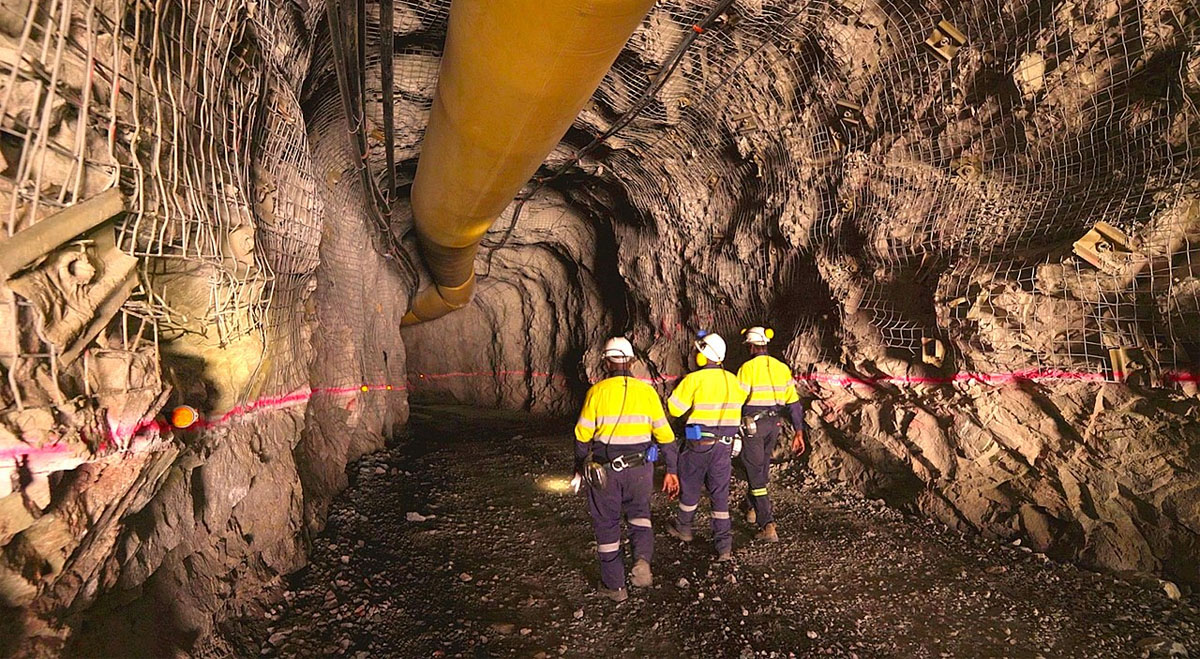
    Hochschild Mining (LSE:HOC) delivered solid operating performance during the first half of 2026, producing 151,830 attributable gold equivalent ounces as consistent output from the Inmaculada and San Jose mines was complemented by continued improvements at the Mara Rosa operation in Brazil. The miner said it remains on course to achieve its full-year production target, supported by increased plant reliability at Mara Rosa, encouraging brownfield exploration results and ongoing progress at the Monte Do Carmo and Royropata development projects as they advance through regulatory and investment stages.

    Cost inflation creates pressure on margins

    While production remains on track, the company warned that all-in sustaining costs are currently running around 5% to 10% above its original guidance. The increase reflects higher royalty payments linked to commodity prices, greater workers’ profit-sharing obligations, stronger local currencies and ongoing inflationary pressures in Argentina.

    As a result, Hochschild indicated that cost guidance could be revised when it publishes its half-year financial results, highlighting the continued impact of external cost inflation on the mining sector.

    Balance sheet strengthens despite higher expenses

    Despite the increase in operating costs, Hochschild continued to improve its financial position during the period. The company ended the half year with an estimated net cash position of approximately $51 million and total liquidity of around $309 million, even after making dividend payments to shareholders and its joint venture partner at the San Jose mine.

    Operational improvements at existing mines, combined with continued investment in future growth projects, provide a solid foundation for maintaining production while supporting longer-term expansion plans.

    Investment outlook

    Hochschild’s outlook continues to benefit from the significant improvement in profitability and free cash flow achieved during 2025, alongside a healthier balance sheet and lower leverage. However, current technical indicators remain relatively weak, with the shares trading below key moving averages and momentum signals such as the MACD and RSI remaining subdued.

    Although valuation appears broadly reasonable, the relatively modest dividend yield limits the stock’s appeal for income-focused investors.

    About Hochschild Mining

    Hochschild Mining PLC is a precious metals producer focused on the exploration, development and operation of underground gold and silver mines across South America. Its core producing assets include the Inmaculada mine in Peru, the San Jose joint venture in Argentina and the Mara Rosa mine in Brazil, while its development pipeline includes the Monte Do Carmo project in Brazil and the Royropata project in Peru.

    The company combines production from wholly owned operations and joint ventures, with a strategy centred on operational efficiency, disciplined capital allocation and advancing new mining projects to support long-term growth. Alongside its financial objectives, Hochschild continues to monitor environmental, social and governance performance, including workplace safety, water efficiency, waste management and workforce diversity. Recent improvements across several ESG metrics were tempered by a fatal accident at the Inmaculada mine in June, underscoring the importance of continued investment in safety standards.

  • Mulberry returns to growth as losses narrow and turnaround strategy gathers momentum (LSE:MUL)

    Mulberry returns to growth as losses narrow and turnaround strategy gathers momentum (LSE:MUL)

    Mulberry (LSE:MUL) delivered improved financial results for FY26, reporting a 4% increase in revenue to £125.5 million as its turnaround strategy gathered pace. Sales growth accelerated to 11% during the second half of the year, while like-for-like Retail & Digital revenue climbed 9%. Higher levels of full-price selling and lower promotional activity lifted gross margin to 72%, helping reduce the pre-tax loss to £8.9 million. The luxury retailer also returned to positive underlying EBITDA, supported by disciplined cost management and refinancing that secures borrowing facilities through 2028.

    Brand revival drives stronger trading momentum

    The company’s “Back to the Mulberry Spirit” strategy continued to reshape the business through a stronger product offering and increased customer engagement. During the year, Mulberry reintroduced popular collections including the Roxanne bag and refreshed the Bayswater range, while appointing Christopher Kane as Ready-to-Wear Creative Director to strengthen its fashion credentials.

    Customer loyalty also remained a key strength, with returning shoppers accounting for more than half of UK Retail & Digital sales. The improved brand proposition has translated into stronger trading, with the first 13 weeks of FY27 delivering a 23% increase in group revenue and double-digit like-for-like sales growth across most of its core markets.

    Medium-term ambitions remain intact

    Management said the strong start to the new financial year reinforces confidence in delivering its medium-term objectives, despite ongoing uncertainty across the global luxury sector. The company continues to target annual revenue exceeding £200 million alongside an EBIT margin of 15%, reflecting its focus on sustainable, profitable growth.

    While the broader luxury market remains challenging, Mulberry believes its investment in product innovation, customer relationships and brand positioning provides a solid platform for continued recovery.

    Investment outlook

    Mulberry’s investment profile remains influenced by financial challenges, including elevated leverage and the legacy of weaker trading in recent years. However, improving technical indicators point to strengthening market momentum, while the company’s operational progress and strategic initiatives provide a more constructive outlook for future performance.

    About Mulberry

    Mulberry Group plc is a British luxury lifestyle brand recognised for its premium leather handbags, accessories and ready-to-wear collections. The company sells through Retail, Digital, wholesale and franchise channels, with the UK remaining its largest market while continuing to expand its presence across Europe, North America and Asia-Pacific.

  • Wetherspoon expects full-year profit below forecasts as cost pressures weigh (LSE:JDW)

    Wetherspoon expects full-year profit below forecasts as cost pressures weigh (LSE:JDW)

    J D Wetherspoon (LSE:JDW) said like-for-like sales increased by approximately 4% year to date, while its estate stood at 793 managed pubs after opening eight new locations and disposing of nine. The group has also expanded its franchised business to 23 pubs. During the period, the company continued returning capital to shareholders through the repurchase of more than 6.4 million shares and invested further in acquiring freehold interests, with net debt expected to finish the financial year at broadly similar levels.

    Rising operating costs offset steady trading

    Although trading remained resilient, chairman Tim Martin said the company’s full-year profit is now expected to fall short of current market forecasts. The warning reflects softer-than-anticipated trading during the final quarter, combined with higher operating expenses across food, wages, maintenance, energy and business rates.

    The update suggests that inflationary pressures continue to squeeze margins despite healthy sales growth and ongoing investment across the estate. While Wetherspoon remains committed to strengthening its property portfolio and enhancing shareholder returns through share buybacks, the weaker profit outlook could weigh on investor confidence.

    Financial strengths balanced by leverage concerns

    The company’s investment case continues to benefit from positive technical indicators, with the share price trading above key moving averages and supported by a favourable MACD signal. Cash generation has also improved, providing additional financial flexibility.

    However, these strengths are balanced by a relatively high debt-to-equity ratio, highlighting elevated leverage. Valuation metrics also remain only moderately attractive, with the shares trading on a price-to-earnings ratio of 14.09 and offering a dividend yield of 1.67%.

    About J D Wetherspoon

    J D Wetherspoon plc is a leading pub operator across the UK and Ireland, managing a large portfolio of company-owned and franchised venues. The business focuses on providing competitively priced food and drinks in individually designed pubs, supported by an emphasis on customer service and operational efficiency, making it one of the UK’s best-known value hospitality operators.

  • Delta Gold Technologies expands Strategic Advisory Panel with two academic appointments

    Delta Gold Technologies expands Strategic Advisory Panel with two academic appointments

    Delta Gold Technologies Plc (AQSE:DGQ) (USOTC:DGQTF) (FRA:02J) has strengthened its scientific leadership by appointing Professor Dr Harry Ruda and Professor Ken Knappenberger to its Strategic Advisory Panel, while also announcing the issue of new shares following the exercise of investor warrants.

    The appointments build on the formation of the advisory panel in May 2026, when Dr Thomas P Davis became its inaugural member. The expanded panel is intended to enhance the company’s scientific, commercial and intellectual property expertise as it advances its quantum technology strategy.

    Advisory panel to guide research and commercialisation

    The Strategic Advisory Panel has been established to provide independent guidance to Delta’s board and management on research priorities, scientific investments and commercial opportunities.

    Its responsibilities include assessing research programmes, supporting intellectual property strategy, identifying strategic partnerships, evaluating commercial applications and providing external technical representation. The panel is also expected to help the company identify patentable discoveries and accelerate the commercialisation of its research.

    Professor Ruda and Professor Knappenberger are already closely involved with Delta through sponsored research programmes at the University of Toronto and The Pennsylvania State University, respectively. Their appointments are designed to strengthen the link between the company’s academic collaborations and its commercial development plans.

    Existing advisory panel foundation

    The latest appointments follow the addition of Dr Thomas P Davis in May 2026. Dr Davis, co-founder and chief executive of Oxford Sigma, holds a doctorate in Materials Science from the University of Oxford and was appointed to provide independent advice on Delta’s scientific strategy and research allocation.

    Delta said the advisory panel was created to help transform scientific research into commercially valuable intellectual property and practical quantum technology applications. The inclusion of Professors Ruda and Knappenberger further expands that expertise with two senior academics actively leading research programmes supported by the company.

    Professor Harry Ruda brings nanotechnology expertise

    Professor Harry E. Ruda earned his bachelor’s degree from Imperial College of Science and Technology before completing his PhD at the Massachusetts Institute of Technology. Following an IBM Postdoctoral Research Fellowship focused on quantum nanostructures, he worked as a Senior Research Scientist at 3M Corporation, contributing to the company’s II-VI semiconductor blue laser programme.

    He joined the University of Toronto’s Department of Materials Science and Engineering in 1989, later becoming Director of its Centre for Nanotechnology in 1997. Throughout his career, Professor Ruda has published more than 300 peer-reviewed papers, co-authored four books and holds 14 patents. His research centres on quantum nanostructures, nanoelectronics and nanophotonics.

    Professor Ken Knappenberger strengthens quantum materials research

    Professor Kenneth L. Knappenberger Jr. serves as Professor of Chemistry and Physics and Head of the Department of Chemistry at The Pennsylvania State University. His research focuses on the optical, electronic and spin properties of nanomaterials, particularly gold nanoclusters.

    After completing his doctorate at Penn State in 2005, he undertook postdoctoral research at the University of California, Berkeley before joining Florida State University, where he led the magneto-optics programme at the National High Magnetic Field Laboratory. He returned to Penn State in 2017 and has published more than 100 scientific papers while delivering over 300 lectures. His honours include the Coblentz Award in Spectroscopy, the Young Investigator Award from the Inter-American Photochemical Society, CAREER awards from the U.S. National Science Foundation and Department of Defense, and fellowship status with both the American Association for the Advancement of Science and Optica.

    CEO highlights strategic value of appointments

    R. Michael Jones, Chief Executive Officer of Delta, commented: “We are delighted to welcome Professor Dr Harry Ruda and Professor Ken Knappenberger to Delta’s Strategic Advisory Panel. Together with Dr Thomas P Davis, their appointments bring deep scientific, engineering and intellectual property insight directly into Delta’s strategic decision-making process. Professor Ruda and Professor Knappenberger each lead research programmes that sit at the core of our investment thesis: that gold, engineered at the nanoscale, can form the basis of a differentiated and protectable quantum technology platform. Their participation will help us evaluate progress, identify commercial pathways and continue building a high-quality IP portfolio across quantum computing, sensing and communication.”

    Delta advances quantum technology intellectual property strategy

    Delta Gold Technologies is developing intellectual property focused on nano-scale gold and advanced materials for quantum computing, quantum sensing and quantum communication.

    Its research programmes are conducted through sponsored collaborations with leading academic institutions, including The Pennsylvania State University and the University of Toronto. The company has secured rights to intellectual property generated through these partnerships, including patent applications, and continues to pursue additional patent development, licensing opportunities and strategic partnerships to commercialise its quantum technologies.

    For more information visit – https://www.deltagoldtech.com/

  • U.S. futures advance as earnings from major companies improve investor sentiment: Dow Jones, S&P, Nasdaq, Wall Street

    U.S. futures advance as earnings from major companies improve investor sentiment: Dow Jones, S&P, Nasdaq, Wall Street

    Strong corporate results support pre-market trading

    U.S. equity futures traded higher on Tuesday as investors responded positively to another round of stronger-than-expected corporate earnings, positioning markets for a rebound after Monday’s decline.

    The improved mood followed upbeat quarterly reports from several large companies, encouraging investors to re-enter the market after recent selling pressure.

    3M, General Motors and Novartis lift the market

    Industrial giant 3M (NYSE:MMM) climbed more than 7% in pre-market trading after posting quarterly earnings and revenue above expectations while increasing its full-year guidance.

    General Motors (NYSE:GM) also moved higher after reporting second-quarter results that exceeded analyst forecasts and raising its outlook for 2026.

    Healthcare company Novartis (NYSE:NVS) joined the rally after delivering second-quarter earnings that also surpassed market estimates.

    Technology shares added to the positive tone, with Nasdaq 100 futures gaining around 1.2% ahead of the opening bell.

    Focus shifts to Big Tech earnings

    Despite the stronger start, investors remain cautious ahead of a busy earnings calendar later this week.

    Quarterly reports from Alphabet (NASDAQ:GOOGL), IBM (NYSE:IBM) and Tesla (NASDAQ:TSLA) are expected to provide important updates on enterprise spending, artificial intelligence investment and broader economic trends.

    Oil rally tempers market enthusiasm

    Higher energy prices continued to cloud the outlook for equities.

    U.S. crude oil futures advanced roughly 2% as tensions between the United States and Iran persisted, raising concerns that elevated oil prices could complicate the inflation outlook and delay potential interest-rate cuts.

    Monday ended with broad market losses

    Although Wall Street opened higher on Monday, buying momentum faded as geopolitical risks and rising Treasury yields prompted investors to reduce exposure.

    The Dow Jones Industrial Average dropped 0.6%, the S&P 500 declined 0.2% and the Nasdaq Composite slipped 0.1%.

    Housing stocks led the declines as higher bond yields weighed on the sector, while pharmaceutical, biotechnology, transportation and healthcare shares also lost ground. Software companies were among the session’s strongest performers.

    Separately, the Conference Board reported that its Leading Economic Index fell 0.2% in June, a slightly weaker reading than economists had anticipated.

  • European stocks trade sideways as investors monitor Middle East diplomacy and AI earnings: DAX, CAC, FTSE100

    European stocks trade sideways as investors monitor Middle East diplomacy and AI earnings: DAX, CAC, FTSE100

    Markets hold steady ahead of major technology results

    European equities traded in a narrow range on Tuesday as investors remained focused on diplomatic efforts to reduce tensions between the United States and Iran while awaiting earnings from major U.S. technology companies for further signals on artificial intelligence-related demand.

    The French CAC 40 slipped 0.1%, Germany’s DAX traded marginally above flat, and the UK’s FTSE 100 edged 0.1% higher.

    Kier and mining stocks lead the gainers

    Construction and infrastructure specialist Kier Group (LSE:KIE) was among the session’s strongest performers after the company said it expects full-year revenue and profit to finish at the upper end of market expectations.

    Mining shares also advanced as stronger copper prices supported the sector. Anglo American (LSE:AAL), Antofagasta (LSE:ANTO) and Glencore (LSE:GLEN) all posted notable gains.

    Healthcare and industrial companies attract buyers

    Novartis (TG:NOT) moved higher after reporting second-quarter core operating profit ahead of market forecasts.

    Swedish engineering company Alfa Laval (TG:AA9) also traded higher after announcing a 35% increase in second-quarter order intake.

    Julius Baer (TG:JGE) gained despite reporting that first-half profit more than doubled.

    Recruiters and consumer stocks come under pressure

    On the downside, recruitment firm Sthree (LSE:STEM) fell sharply after reporting a 75% decline in first-half profit, reflecting weaker hiring activity in Germany and the Netherlands.

    Compass Group (LSE:CPG) also retreated despite delivering solid quarterly revenue growth.

    Swiss elevator manufacturer Schindler Holding (TG:SHR) dropped to a two-month low after second-quarter sales missed expectations.

    Meanwhile, watchmaker Swatch Group (LSE:0QM4) declined after first-half earnings came in below analysts’ forecasts.

  • Gold stays above $4,000 as easing Middle East tensions shift focus to the Federal Reserve

    Gold stays above $4,000 as easing Middle East tensions shift focus to the Federal Reserve

    Investors balance geopolitical risks against inflation expectations

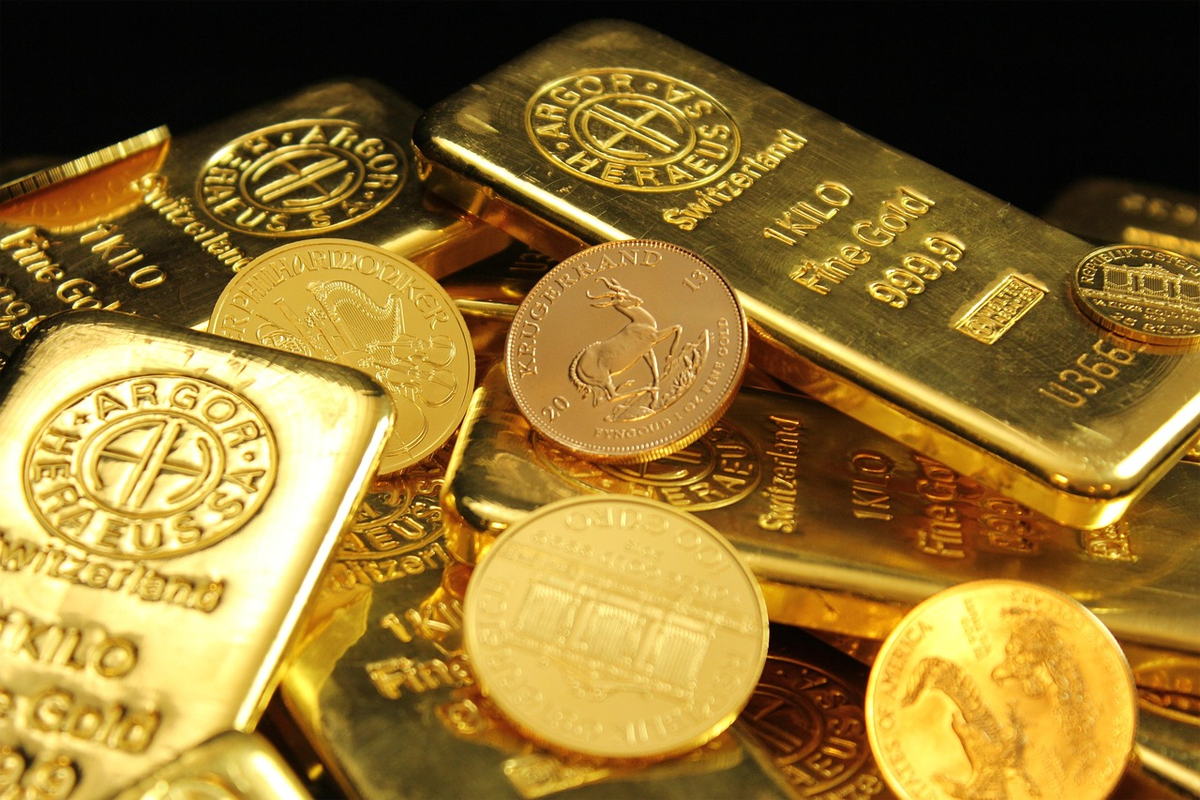
    Gold prices extended their advance on Tuesday, holding above the key $4,000-an-ounce level as markets responded to renewed diplomatic initiatives between the United States and Iran that could reduce pressure on oil prices and soften inflation concerns ahead of the Federal Reserve’s next policy meeting.

    At 01:24 ET (05:24 GMT), spot gold (XAU/USD) rose 1% to $4,049.47 an ounce, while Gold Futures increased 1% to $4,054.35. Silver (XAG/USD) climbed 2.6% to $57.87 an ounce, and platinum (XPT/USD) gained almost 1% to $1,611.09.

    Diplomatic progress eases pressure from energy markets

    The precious metal strengthened as investors welcomed signs that Washington and Tehran could return to negotiations, helping offset concerns created by recent military escalation across the Middle East.

    Crude oil prices retreated after posting gains during the previous two sessions as reports of mediation efforts outweighed continued military exchanges and renewed threats from Yemen’s Iran-backed Houthi movement to block Saudi shipping.

    Reuters also reported that mediators have proposed a 10-day ceasefire following comments from a senior Iranian official, raising hopes that last month’s interim agreement could still provide a foundation for wider negotiations.

    Oil had recently climbed to its highest level in more than a month, fuelling expectations that higher energy costs could complicate the Federal Reserve’s inflation fight.

    Markets await Fed guidance

    Attention is now turning to next week’s Federal Reserve meeting, where policymakers are expected to keep interest rates unchanged while offering fresh guidance on inflation and monetary policy.

    Current market pricing suggests a 64% probability of a September rate increase.

    Afdhal Rahman, Executive Director, Wealth Advisory at OCBC, said gold’s strong rally has run into a more challenging macro backdrop as higher real yields, a stronger U.S. dollar and hawkish repricing of interest-rate expectations have weighed on investor demand.

    He added that renewed tensions in the Gulf could keep oil prices, inflation expectations and the U.S. dollar volatile in the near term, leaving gold under pressure until expectations for tighter monetary policy begin to ease, although sustained central bank buying should continue to provide longer-term support for bullion.

    Bullion remains resilient after second-quarter weakness

    Although gold suffered a 14% decline during the second quarter—its weakest quarterly performance since 2013—it has spent recent weeks consolidating around the $4,000-an-ounce level as investors continue to seek protection from geopolitical uncertainty.

  • Oil slips as diplomacy competes with rising Middle East shipping risks

    Oil slips as diplomacy competes with rising Middle East shipping risks

    Traders monitor conflict while awaiting US inventory data

    Oil prices traded lower on Tuesday as markets assessed ongoing diplomatic efforts between Washington and Tehran alongside growing concerns that escalating tensions could threaten vital shipping routes used by global energy exporters.

    At 04:53 ET (08:53 GMT), Brent crude futures fell 0.5% to $88.80 per barrel, while US West Texas Intermediate (WTI) crude declined 0.5% to $82.81 per barrel.

    Both benchmarks had ended Monday’s session higher, with Brent closing at $89.22 per barrel after a 1.3% gain and WTI settling at $83.23 following a 0.9% increase. Brent had briefly climbed above the $90 mark after renewed military activity in the Middle East over the weekend.

    Negotiations continue despite renewed attacks

    Diplomatic efforts remain active as international mediators seek to restore the fragile ceasefire framework agreed in June.

    Pakistani Prime Minister Shehbaz Sharif is holding discussions with Iranian Interior Minister Eskandar Momeni in Islamabad, while US Secretary of State Marco Rubio has indicated that Washington remains open to restarting negotiations.

    Nevertheless, military activity continued across the region. Reports from the United Kingdom Maritime Trade Operations centre said a tanker was struck near the Strait of Hormuz off the coast of Oman, forcing the crew to abandon the vessel. Iran’s Islamic Revolutionary Guards Corps later claimed responsibility.

    The United States also confirmed a tenth consecutive day of strikes against Iranian military targets, stating that the operations were intended to weaken Iran’s capability to threaten commercial shipping in the Strait of Hormuz.

    Bab al-Mandab joins Hormuz as a growing market concern

    Alongside uncertainty surrounding the Strait of Hormuz, investors are increasingly focused on the Bab al-Mandab Strait after Yemen’s Iran-backed Houthi movement threatened to block Saudi shipping.

    The strategic waterway connects the Red Sea with the Gulf of Aden and carries roughly 12% of global trade, including significant volumes of crude oil exports.

    “Vessels would have to take the much longer route through the Suez Canal and go around Africa. It’s yet to be seen how effective any blockade will be. But, clearly, this development will increase insurance costs,” ING analysts said.

    “Looking at oil price action this morning, the market is not convinced that this blockade will be successful.”

    Inventory reports remain the next catalyst

    Analysts believe geopolitical uncertainty continues to provide support for oil prices, although expectations that previous regional conflicts ultimately avoided prolonged supply disruptions have limited further gains.

    Markets now await the latest US crude inventory figures from the American Petroleum Institute, due later Tuesday, followed by official Energy Information Administration data on Wednesday.

  • US futures advance as investors assess Middle East conflict and await major AI earnings: Dow Jones, S&P, Nasdaq, Wall Street

    US futures advance as investors assess Middle East conflict and await major AI earnings: Dow Jones, S&P, Nasdaq, Wall Street

    Markets prepare for a crucial week of corporate results

    US stock index futures moved higher on Tuesday as investors looked ahead to a wave of earnings from leading technology companies while continuing to monitor developments in the Middle East and the outlook for artificial intelligence investment.

    As of 02:49 ET (06:49 GMT), Dow Jones futures were up 170 points, or 0.3%, S&P 500 futures had gained 39 points, or 0.5%, and Nasdaq 100 futures climbed 359 points, or 1.3%.

    The gains followed a weaker session on Wall Street, where concerns over the long-term sustainability of AI spending weighed on sentiment. Semiconductor stocks tied to artificial intelligence surrendered much of their earlier rally, with the sector finishing only 0.6% higher after posting gains of more than 3% during the session.

    Markets were also digesting increased competition from emerging Chinese AI developers, adding another layer of uncertainty to the sector.

    Meanwhile, President Donald Trump signed executive orders introducing a 50% tariff on a wide range of Canadian imports, including paper products, plywood and hockey sticks. The new duties are due to take effect within 30 days.

    Geopolitical uncertainty keeps investors cautious

    Risk appetite remained restrained after Yemen’s Iran-backed Houthi movement threatened to block Saudi shipping, raising concerns that the regional conflict could spread further and disrupt global energy supplies.

    The warning came as military exchanges between Washington and Tehran entered a tenth consecutive day despite continuing diplomatic contacts aimed at reducing tensions.

    Investors also remained focused on the Strait of Hormuz and the Bab al-Mandab Strait, two critical maritime routes whose disruption could have significant implications for global oil and liquefied natural gas exports.

    Oil holds above pre-war levels

    Crude prices eased slightly but continued to trade well above the levels seen before the conflict escalated.

    Brent crude slipped 0.1% to $89.17 per barrel, while US West Texas Intermediate gained 0.2% to $83.40.

    Before hostilities intensified in late February, Brent had been trading close to $70 per barrel. Renewed geopolitical instability has kept prices elevated despite earlier ceasefire efforts.

    Higher energy costs continue to raise concerns that inflation could remain stubborn, potentially influencing future monetary policy decisions.

    Earnings season gathers pace

    Investors are awaiting results from Charles Schwab (NYSE:SCHW), Danaher (NYSE:DHR), 3M (NYSE:MMM), Northrop Grumman (NYSE:NOC) and General Motors (NYSE:GM) before US markets open.

    After the closing bell, Interactive Brokers, Chubb and Capital One are also due to report.

    In Europe, Novartis (NYSE:NVS) exceeded expectations for second-quarter core operating profit as cost controls offset softer sales of Entresto. The company’s shares rose more than 1% in early trading.

    Attention will quickly turn to Alphabet (NASDAQ:GOOG), Tesla (NASDAQ:TSLA) and Texas Instruments (NASDAQ:TXN), whose quarterly reports later this week are expected to provide important signals about the pace of AI-related investment.

    Nvidia increases exposure to Nebius

    Nvidia (NASDAQ:NVDA) disclosed a 9.3% ownership stake in AI cloud infrastructure company Nebius (NASDAQ:NBIS), following its previous $2 billion investment.

    Regulatory filings showed the holding totals approximately 22.26 million shares, including shares associated with warrants that cannot be exercised before 11 September.

    Nebius shares gained around 5% in after-hours trading.

    Headquartered in Amsterdam, Nebius was created from the separation of Yandex and plans to build more than five gigawatts of AI computing capacity by 2030.