Author: Fiona Craig

  • Eurozone Bond Yields Extend Decline as Markets Welcome Iran Deal Progress

    Eurozone Bond Yields Extend Decline as Markets Welcome Iran Deal Progress

    European government bond yields continued to move lower on Wednesday, marking a fifth consecutive session of declines as investors assessed new details emerging from the U.S.-Iran peace agreement and adjusted expectations for future monetary policy.

    The easing of geopolitical tensions and the resulting drop in energy prices have strengthened expectations that inflationary pressures may continue to moderate across Europe.

    German Bund Yields Reach Multi-Month Lows

    The yield on Germany’s benchmark 10-year Bund, widely regarded as the eurozone’s reference government bond, fell to 2.919%, its lowest level since early April.

    Shorter-dated debt also rallied, with the two-year German yield declining to 2.56%. The move is significant because the two-year maturity is particularly sensitive to expectations surrounding future European Central Bank policy decisions.

    The decline in yields reflects growing confidence that interest rates may remain lower for longer if inflation risks continue to recede.

    Falling Oil Prices Support Bond Markets

    Government bonds received additional support from continued weakness across energy markets.

    Crude oil prices extended recent losses after reports indicated that Washington is preparing to formally lift sanctions on Iranian oil exports. Market participants expect the development to facilitate a normalisation of supply flows through the Strait of Hormuz and increase crude availability globally.

    As energy prices retreat, investors increasingly believe that one of the main sources of inflationary pressure facing the European economy is beginning to ease.

    ECB Expectations Shift as Inflation Concerns Fade

    The reduction in energy-related risks has encouraged fixed-income investors to reassess the outlook for European Central Bank policy.

    Lower oil and gas prices are seen as reducing pressure on consumer prices, potentially allowing policymakers greater flexibility in future rate decisions. As a result, markets have become less concerned about the prospect of a more restrictive monetary stance.

    Attention is now turning to the release of the eurozone’s May inflation data, which is expected to provide further insight into how energy costs are influencing broader price trends. Economists currently forecast headline inflation of 3.2%.

    Federal Reserve Decision Remains Key Focus

    Despite the positive backdrop for bonds, investors remain cautious ahead of the U.S. Federal Reserve’s latest policy announcement.

    Markets widely expect the Fed to leave interest rates unchanged, but attention will focus on the accompanying statement and the first press conference by Chair Kevin Warsh.

    Any indication that the Federal Reserve intends to maintain a more hawkish approach than its European counterpart could limit further gains in eurozone government bonds.

    UK Gilts Also Move Higher

    British government bonds followed the broader trend seen across global fixed-income markets.

    The yield on the UK 10-year gilt declined to 4.74%, reaching its lowest level since mid-April. Meanwhile, the two-year gilt yield fell to 4.12%, reflecting reduced expectations for future Bank of England tightening and growing confidence that inflation pressures may continue to ease.

    The decline in both European and UK yields underscores the broader market view that lower energy prices could provide meaningful support to the inflation outlook in the months ahead.


  • European Gas Prices Fall to Multi-Week Lows as Iran Agreement Eases Supply Concerns

    European Gas Prices Fall to Multi-Week Lows as Iran Agreement Eases Supply Concerns

    European natural gas prices extended their decline on Wednesday, reaching their lowest levels in more than a month as markets continued to react to developments surrounding the U.S.-Iran peace agreement and the prospect of improved energy flows from the Middle East.

    The retreat reflects a broad reassessment of geopolitical risks that had previously driven energy prices higher across global markets.

    Benchmark Contracts Move Lower

    The Dutch front-month gas contract, Europe’s benchmark for natural gas trading, fell to €41.4 per megawatt hour, while the equivalent UK contract slipped below 100 pence per therm to 98.69 pence.

    Both contracts reached their weakest levels in more than a month as traders unwound positions established during recent periods of heightened geopolitical uncertainty.

    Energy Markets Reprice Geopolitical Risk

    The sharp decline in Dutch gas futures highlights the speed with which market participants are removing the conflict-related premium that had been built into European energy assets.

    With Washington moving toward the formal removal of sanctions on Iranian crude exports, investors are increasingly pricing in a scenario of more stable global energy supplies and improved market balance.

    As expectations of uninterrupted energy flows strengthen, concerns over potential supply disruptions have eased significantly, triggering a broad correction across energy markets.

    Fundamentals Return to the Forefront

    The reduction in geopolitical risk has removed much of the support that had been sustaining natural gas prices in recent weeks.

    As fears surrounding Middle East supply disruptions fade, traders are once again focusing on underlying market fundamentals, including inventories, demand trends and global supply conditions.

    The shift has left gas contracts vulnerable to further downward pressure as the market adjusts to a changing energy landscape.

    Lower Energy Costs Could Support Europe

    For European industry and policymakers, weaker energy prices may provide an important economic benefit.

    The decline offers a potential disinflationary effect at a time when central banks continue to monitor price pressures closely. It also reduces the immediate connection between European energy security and events in the Middle East.

    High gas storage levels across Europe provide an additional layer of support, helping to strengthen supply security as countries continue injecting fuel into storage ahead of the winter season.

  • FTSE 100 Edges Lower as Sticky Services Inflation Clouds Rate Outlook

    FTSE 100 Edges Lower as Sticky Services Inflation Clouds Rate Outlook

    UK equities traded slightly lower on Wednesday after inflation data showed headline consumer prices remained unchanged in May, while stronger-than-expected services inflation reinforced expectations that the Bank of England will remain cautious when it announces its latest interest rate decision on Thursday.

    The FTSE 100 fell 0.13%, while Germany’s DAX declined 0.39% and France’s CAC 40 eased 0.03%. Sterling was also marginally weaker against the U.S. dollar, slipping 0.10% to $1.3418.

    Headline Inflation Holds at 2.8%

    According to the Office for National Statistics, UK consumer price inflation remained at 2.8% in the year to May, matching April’s reading and coming in below expectations for an increase to 3%.

    On a monthly basis, prices rose 0.2%, unchanged from the previous month.

    Transport costs provided the largest upward contribution to inflation, helped by a 10.3% increase in air fares between April and May. Meanwhile, food and non-alcoholic beverages acted as the largest drag on the index, with annual food inflation slowing to 2.2%, its lowest level since December 2024.

    Services Inflation Remains a Concern

    While headline inflation was stable, the services component accelerated to 3.7% from 3.2%, suggesting underlying price pressures remain more persistent.

    Analysts noted that the stronger services reading may limit expectations for near-term monetary easing and could help support sterling despite broader market uncertainty. Expectations for further Bank of England rate increases have already moderated in recent weeks, but policymakers are likely to remain cautious given the resilience of domestic inflation pressures.

    Oil Extends Decline as Markets Price in Middle East Developments

    Energy markets remained under pressure, with Brent crude falling below $79 a barrel for the first time in three months and U.S. benchmark WTI crude declining by more than 1%.

    The move extended losses from the previous session as traders continued to factor in the partial reopening of the Strait of Hormuz ahead of the expected formal signing of a U.S.-Iran agreement later this week.

    Although oil prices remain above pre-conflict levels of around $65 per barrel, the recent retreat has eased some concerns over energy-driven inflation and is increasingly being viewed as a supportive factor for central banks in both the UK and Europe.

    Gold was little changed, with spot prices easing 0.05% to $4,329.16 per ounce.

    Geopolitical Tensions Remain in Focus

    Attention also remained on developments in the Middle East following comments from U.S. President Donald Trump at the G7 summit in France.

    Trump criticised Israel’s military campaign in Lebanon, saying the country had been fighting Hezbollah “too long” and that “too many people are being killed.” He also said Prime Minister Benjamin Netanyahu needed to be “more responsible with respect to Lebanon.”

    The United Nations peacekeeping mission in Lebanon reported a reduction in cross-border violence, although Lebanese state media said Israeli strikes killed at least four people on Tuesday.

    Meanwhile, Iran warned of a “harsh response” if Israeli military operations continue, while Iranian Foreign Minister Abbas Araghchi described the Lebanon conflict as “linked and interdependent” with the broader regional agreement currently under discussion.

    Trump said the text of the agreement would be released within days and submitted to Congress for review, while Vice President JD Vance said the delay reflected diplomatic sensitivities surrounding the process.

    UK Corporate Highlights

    Hays Continues Portfolio Reshaping

    Hays (LSE:HAS) completed the disposal of its operations in the Czech Republic, Denmark, Hungary, Luxembourg, Romania and Sweden to Meraki Capital, generating approximately £4 million in net cash proceeds. The recruitment group is also reviewing strategic options for a further seven markets as part of its ongoing restructuring programme.

    AO World Delivers Record Profit

    AO World (LSE:AO.) reported a 16% increase in annual adjusted pre-tax profit and announced plans to return a further £20 million to shareholders through a special dividend and share buyback programme. The retailer also highlighted progress in expanding its customer ecosystem through the launch of AO Mobile.

    PZ Cussons Upgrades Guidance Again

    PZ Cussons (LSE:PZC) raised its profit expectations for the fourth time, saying adjusted operating profit for FY2026 is now expected to be at or slightly above the upper end of its £53 million to £57 million guidance range. The company cited strong sales momentum and stability in the Nigerian naira as key contributors to the improved outlook.

  • AO World Delivers Record Profit and Announces £20 Million Shareholder Return as Mobile Expansion Continues (AO.)

    AO World Delivers Record Profit and Announces £20 Million Shareholder Return as Mobile Expansion Continues (AO.)

    AO World (LSE:AO.) reported record annual profitability and unveiled a further £20 million capital return programme, as the online electricals retailer continued to expand its customer ecosystem through the launch of a mobile offering. Despite the strong results and upgraded shareholder distributions, the company’s shares fell 2.4% in early London trading following the announcement.

    Profit Reaches Record Level

    Adjusted pre-tax profit for the year ended March 2026 rose 16.1% to £50.5 million, exceeding the company’s guidance range of £45 million to £50 million.

    Management said the result reflected continued operational progress and market share gains across key product categories. Adjusted pre-tax margin improved to approximately 4%, moving the business closer to its medium-term target of 5%.

    The performance marks another year of earnings growth as AO continues to focus on profitability alongside revenue expansion.

    Revenue Growth Supported by Market Share Gains

    Group revenue increased 11.4% to £1.267 billion, including the full-year contribution from musicMagpie.

    Core B2C Retail revenue rose 9.5% to £911 million, driven by growth across the company’s principal product categories. AO said it continued to gain market share while benefiting from the strength of its customer proposition and expanding service offering.

    The company believes its focus on customer experience and value-added services continues to differentiate it from competitors.

    Cash Generation Strengthens Balance Sheet

    Free cash flow more than doubled during the year, rising to £66.4 million from £26.3 million in the previous period.

    The improvement was supported by strong trading performance and effective working capital management. As a result, AO ended the year with net funds of £16.4 million, compared with net debt of £36 million a year earlier.

    The balance sheet improvement came despite a £4.2 million contribution to the employee benefit trust and completion of a £10 million share buyback programme during the year. Total liquidity stood at £201.3 million at year-end.

    New Capital Return Programme Announced

    Building on its strengthened financial position, AO announced plans to return a further £20 million to shareholders.

    The programme comprises a £10 million special dividend and a new £10 million share repurchase scheme, which is expected to commence following publication of the company’s annual report.

    Management said the decision reflects confidence in the group’s financial strength and future cash generation prospects.

    AO Mobile Launch Expands Membership Ecosystem

    The company also highlighted continued progress in developing its customer ecosystem.

    AO became the first retailer to surpass one million Trustpilot reviews while maintaining a 4.9-star rating. Following the year-end, the company soft-launched AO Mobile, its mobile virtual network operator (MVNO) service, with a broader rollout expected in the coming months.

    The mobile offering joins initiatives such as the Switch24 iPhone 17 programme and forms part of AO’s strategy to deepen customer engagement and increase recurring revenue opportunities.

    Analysts Remain Positive on Outlook

    Analysts at Jefferies described the results as “another year of impressive growth,” noting that profit before tax came in 11% ahead of where they had expected it to be a year ago.

    “We are encouraged by launch of AO Mobile – another facet to the group’s expanding ecosystem – and see the announcement of a further £20m capital return as indicative of management confidence. AO remains a top SMID pick,” they wrote.

    The broker added that the company’s quality and growth prospects are “not recognised by the current multiple” of around 13 times earnings.

    More About AO World

    AO World is a UK-based online retailer specialising in electrical appliances, consumer electronics and related services. The company operates a vertically integrated model that combines online retail, logistics, installation and recycling services.

    In recent years, AO has expanded its offering through initiatives such as musicMagpie, mobile services and membership-based propositions, with a focus on increasing customer lifetime value and building a broader consumer technology ecosystem.

  • Speedy Hire Targets Long-Term Growth as Strategic Investments Weigh on Near-Term Earnings (SDY)

    Speedy Hire Targets Long-Term Growth as Strategic Investments Weigh on Near-Term Earnings (SDY)

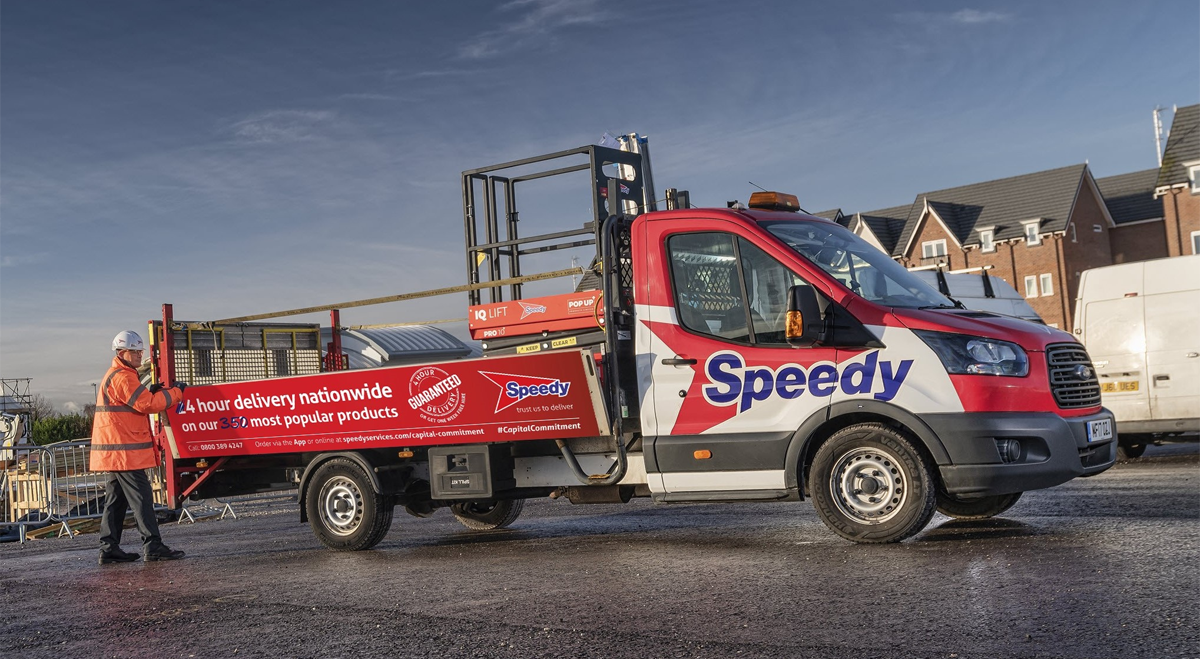
    Speedy Hire Plc (LSE:SDY) reported stable revenue for the year ended 31 March 2026 as growth from major customer accounts and its ProService commercial agreement offset softer demand in parts of its traditional hire business. The company continues to reposition its operations towards long-term infrastructure, regulated markets and higher-value service contracts as part of its ongoing transformation strategy.

    Revenue Holds Firm Despite Mixed Market Conditions

    Group revenue was broadly unchanged at £416.1 million during the year, reflecting resilient performance despite challenging market conditions.

    Growth in national accounts and contributions from the ProService agreement helped offset weaker general hire activity and lower fuel-related revenue. Management said the business is increasingly focused on securing multi-year contracts across infrastructure and regulated sectors, creating a more predictable revenue base and supporting future expansion.

    The strategy is being supported through ongoing investment in digital capabilities and operational improvements under the group’s Velocity programme.

    Investment Programme Impacts Profitability

    While revenue remained stable, profitability came under pressure during the year.

    Adjusted EBITDA declined 12% to £85.4 million, while Speedy Hire reported an adjusted pre-tax loss of £9.8 million. Management attributed the decline to a combination of wage inflation, softer volumes and increased financing costs linked to accelerated fleet investment and the completion of the ProService transaction.

    The company increased investment by approximately £20 million as it completed the “Enable” phase of its strategic programme, aimed at building a platform for future growth.

    Higher Debt Leads to Dividend Rebase

    Net debt increased to £159.0 million by year-end, with leverage rising to 3.3 times EBITDA.

    In response, the board reset the dividend to 1.00 pence per share as it prioritises balance sheet management and debt reduction. Management expects strong cash generation over the next two years to support deleveraging while maintaining investment in growth opportunities.

    The company believes the current investment cycle will position the business to generate stronger returns over the longer term.

    Trading Momentum Improves in New Financial Year

    Early performance in the current financial year has been encouraging, with trading ahead of the comparable period last year.

    Revenue increased by approximately 2% to May, while adjusted EBITDA rose by around 13%, benefiting from operational leverage and the easing of project delays experienced previously by some customers.

    Management also highlighted positive early performance from the ProService agreement, which is expected to contribute between £50 million and £55 million of annualised revenue. The contract is anticipated to become significantly earnings accretive during FY2027, strengthening confidence in the group’s medium-term outlook.

    Outlook Balances Growth Opportunities and Financial Challenges

    Speedy Hire’s long-term growth strategy is supported by increasing exposure to infrastructure spending, long-duration contracts and diversified service offerings.

    However, the investment case continues to be influenced by weaker profitability, slower cash flow growth and elevated leverage levels. Technical indicators remain subdued, with the shares trading below key trend levels and momentum measures remaining negative.

    The company’s dividend yield provides some valuation support, although earnings pressures continue to weigh on traditional valuation metrics.

    More About Speedy Hire

    Speedy Hire Plc is one of the leading providers of tool hire, specialist equipment and support services across the UK and Ireland. The company serves customers in construction, infrastructure, industrial and regulated sectors through a combination of equipment rental, testing, inspection and certification services.

    The group has increasingly focused on securing long-term national contracts and expanding its services offering, aiming to generate more resilient revenue streams and strengthen its position in critical infrastructure markets.

  • Arrow Exploration Increases Production Following Successful Icaco-2 Well Results (AXL)

    Arrow Exploration Increases Production Following Successful Icaco-2 Well Results (AXL)

    Arrow Exploration Corp. (LSE:AXL) has strengthened its production profile after reporting positive results from the Icaco-2 exploration well on its Tapir Block in Colombia. The company, which focuses on developing underexplored hydrocarbon assets across several of the country’s key oil-producing basins, continues to pursue growth through a combination of exploration success, development drilling and operational efficiency.

    Icaco-2 Delivers Strong Initial Production

    The Icaco-2 well was drilled on schedule and below budget, marking another operational success for the company.

    According to Arrow, the well encountered approximately 100 feet of net hydrocarbon-bearing pay within the Ubaque formation and is currently producing around 830 barrels of oil per day on a gross basis. Management believes the result further validates the prospectivity of the Icaco area and highlights the potential for additional development opportunities within the Tapir Block.

    The company views the discovery as an important contributor to future production growth.

    Corporate Output Reaches Around 5,000 boe/d

    Following the addition of Icaco-2, Arrow’s total production has increased to approximately 5,000 barrels of oil equivalent per day.

    The company continues to benefit from strong realised pricing, with oil sales linked to Brent crude and achieving prices close to US$97 per barrel. Combined with low royalty obligations and a debt-free balance sheet, these factors continue to support cash generation and financial flexibility.

    Arrow operates the Tapir Block under a private commercial arrangement that currently provides entitlement to 50% of production from the block, pending formal approval from Ecopetrol.

    Further Drilling Activity Under Way

    Development of the Icaco area remains a key focus for the company, with additional wells currently being drilled to further assess and expand the discovery.

    At the same time, management is engaged in discussions regarding a potential extension of the Tapir Block, which could provide additional opportunities to build reserves and sustain long-term production growth.

    The company believes the combination of ongoing drilling success, attractive economics and a growing production base positions it well for further expansion in Colombia.

    More About Arrow Exploration Corp.

    Arrow Exploration Corp. is an oil and gas producer focused on developing high-growth hydrocarbon assets in Colombia. Its portfolio includes interests in the Llanos, Middle Magdalena Valley and Putumayo basins, regions that host some of the country’s most prospective oil and gas resources.

    The company concentrates on assets with high working interests, exposure to Brent-linked pricing and relatively low royalty burdens. Arrow is listed on both the London Stock Exchange and the TSX Venture Exchange under the ticker AXL.

  • CML Microsystems Targets Return to Growth Following Stronger Second Half and Major GNSS Contract Win (CML)

    CML Microsystems Targets Return to Growth Following Stronger Second Half and Major GNSS Contract Win (CML)

    CML Microsystems (LSE:CML) reported lower revenue for the year but highlighted a significant improvement in trading during the second half as customer inventory levels normalised and supply conditions improved. While profitability remained under pressure, the company strengthened its balance sheet, increased cash reserves and maintained its dividend, reflecting confidence in its long-term prospects.

    Second-Half Recovery Supports Performance

    For the year, revenue declined to £20.45 million from £22.90 million in the previous period, while gross profit eased to £12.89 million.

    The group recorded a small pre-tax loss of £0.07 million, reflecting the impact of softer demand earlier in the year. However, management reported a noticeable recovery in the second half as customers resumed ordering patterns and product availability improved across key markets.

    The stronger finish to the year provides a more encouraging backdrop heading into the new financial period.

    Balance Sheet Strength Continues

    Despite the decline in earnings, CML ended the year with a stronger financial position.

    Cash balances increased to £12.8 million, while net assets rose to £51.45 million. The board also maintained the total annual dividend at 11 pence per share, signalling confidence in the company’s financial resilience and future cash-generating potential.

    Management noted that recent asset disposals have further enhanced balance sheet strength and provided additional flexibility to support future growth initiatives.

    Strategic Transformation Completed

    During the year, CML completed its transition into a focused communications semiconductor business, sharpening its strategy around four key end markets.

    The company continued investing heavily in product development, allocating £5.5 million to research and development as it expanded its portfolio of RF and microwave technologies.

    Management believes this focused approach positions the business to capitalise on opportunities in communications infrastructure, industrial connectivity and other specialist semiconductor applications.

    Long-Term GNSS Agreement Provides Growth Platform

    One of the most significant developments during the year was the signing of a 12-year design and supply agreement with a leading industrial GNSS manufacturer.

    The contract is expected to generate revenue of more than US$30 million over its lifetime and represents a major endorsement of CML’s technology capabilities. Management believes the agreement, combined with ongoing product development and a stronger balance sheet, provides a solid foundation for renewed revenue growth in the coming year.

    Outlook Balances Growth Opportunities and Near-Term Challenges

    The company continues to face challenges from weaker recent financial performance, including lower revenue, reduced profitability and a sharp decline in free cash flow generation.

    Technical indicators also remain subdued, with the shares trading below key moving averages and momentum measures remaining negative. However, valuation metrics appear attractive, supported by a relatively low earnings multiple, a strong dividend yield and a debt-free balance sheet.

    Management remains focused on converting its strengthened market position and long-term customer agreements into sustainable growth.

    More About CML Microsystems

    CML Microsystems is a UK-based semiconductor company specialising in mixed-signal, RF and microwave technologies for communications markets worldwide.

    The company serves industrial and commercial customers across sectors including telecommunications, private wireless networks and the industrial internet of things. Operating through a combination of outsourced manufacturing and in-house testing facilities in the UK, Asia and the United States, CML focuses on specialised markets characterised by strong growth potential and high barriers to entry.

  • 80 Mile Strengthens Greenland Position as Exploration and Energy Projects Advance (80M)

    80 Mile Strengthens Greenland Position as Exploration and Energy Projects Advance (80M)

    80 Mile Plc (LSE:80M) has secured important regulatory protections for its hydrocarbon interests in Greenland while progressing exploration, drilling and renewable energy initiatives across its portfolio. The company said recent clarification from Greenlandic authorities safeguards its licence position in the Jameson Land Basin and supports the next phase of development activity ahead of planned drilling later this year.

    Regulatory Clarity Reinforces Jameson Land Position

    The updated guidance confirms that third-party licences cannot overlap 80 Mile’s existing hydrocarbon concessions in the Jameson Land Basin. The clarification also preserves the company’s exclusive right to apply for licences covering associated minerals and industrial gases within its project areas.

    The development strengthens the legal and strategic foundation of the project as preparations continue for the basin’s first drilling campaign under the current ownership structure.

    Supported by Greenland Energy’s US$70 million financing package, the project has also progressed through the signing of drilling and service agreements. Subject to final regulatory approvals, the company expects to spud its first wells during the second half of 2026.

    Disko-Nuussuaq Drilling Programme Set to Begin

    Elsewhere in Greenland, 80 Mile is preparing to launch a fully funded drilling campaign at its Disko-Nuussuaq critical minerals project.

    Drilling rigs are being mobilised ahead of a planned 5,000-metre programme scheduled to commence in early July. The work is being funded through United States Future Minerals’ US$30 million earn-in arrangement, under which 80 Mile retains a 49% free-carried interest throughout the current phase of exploration.

    Management believes the programme could further unlock the potential of the district, which is prospective for nickel, copper, cobalt and platinum group elements.

    Italian Biorefinery Approaches Operational Readiness

    The company also reported progress in Italy, where construction of the Greenswitch biodiesel facility is nearing completion.

    The plant is designed to process up to 199,000 tonnes per year and is expected to help address a supply shortfall in Italy’s biofuel market. Management believes the facility is well positioned to benefit from European renewable fuel policies and the advantages available to domestic producers under existing regulatory frameworks.

    The project forms a key part of the company’s strategy to diversify beyond exploration and establish exposure to renewable energy markets.

    Financial Profile Remains a Consideration

    Despite operational progress across multiple projects, 80 Mile remains a pre-revenue business and continues to report losses and negative cash flow.

    While debt levels remain relatively low, ongoing development expenditure increases the potential need for future funding, creating dilution risk for shareholders. Technical indicators remain supportive, with the shares benefiting from positive momentum and a strong underlying trend, although overbought conditions suggest some caution may be warranted.

    Valuation remains difficult to assess using conventional measures given the absence of earnings and dividend income.

    More About 80 Mile Plc

    80 Mile Plc is a diversified exploration and development company with interests spanning hydrocarbons, critical minerals, industrial gases and renewable fuels. The company is listed on AIM, the Frankfurt Stock Exchange and the U.S. OTC market.

    Its principal assets include the Jameson Land Basin gas and liquids project and the Disko-Nuussuaq nickel-copper-cobalt-PGE district in Greenland, alongside the Greenswitch biodiesel refinery in southern Italy. Through this portfolio, 80 Mile aims to provide exposure to energy transition materials, conventional energy resources and renewable fuel production.

  • PZ Cussons Raises Profit Expectations as Trading Momentum Strengthens Balance Sheet (PZC)

    PZ Cussons Raises Profit Expectations as Trading Momentum Strengthens Balance Sheet (PZC)

    PZ Cussons (LSE:PZC) has upgraded its profit outlook for the year ended 31 May 2026 after delivering strong trading across its core markets. The consumer goods group expects like-for-like revenue growth of around 6%, taking annual sales to approximately £540 million, supported by broad-based progress across its key geographic regions.

    Revenue Growth Driven by Core Markets

    The company reported positive momentum across its four principal markets, helping to underpin stronger-than-expected financial performance during the year.

    Management noted that efforts to improve operational resilience have continued to support the business, including actions designed to mitigate economic volatility in Nigeria. The group also remains alert to potential supply chain and cost pressures arising from ongoing tensions in the Middle East.

    Despite these external challenges, trading has remained robust throughout the period.

    Profit Guidance Upgraded

    Reflecting the strength of recent performance, PZ Cussons has increased its full-year adjusted operating profit expectations.

    The company now expects adjusted operating profit to be at or slightly above the upper end of its previously guided range of £53 million to £57 million. This compares with an earlier forecast of between £48 million and £53 million.

    Management said the upgrade reflects both strong underlying trading and the stabilisation of the Nigerian naira, which has helped reduce some of the foreign exchange pressures experienced in recent periods.

    Significant Reduction in Net Debt

    PZ Cussons also expects to report a substantial improvement in its balance sheet position.

    Net debt is forecast to fall below £30 million by year-end, representing a reduction of more than £80 million compared with 2025 levels. The improvement has been driven primarily by the disposal of the group’s 50% interest in the PZ Wilmar joint venture.

    The stronger financial position provides increased flexibility as the company continues to execute its strategic priorities ahead of reporting full-year results on 6 August 2026.

    Outlook Supported by Trading Strength and Deleveraging

    The company’s outlook benefits from improving operational performance, upgraded earnings guidance and a significantly reduced debt burden.

    Technical indicators remain supportive, with the shares continuing to trade in an established upward trend, although momentum measures suggest recent gains may have become stretched. Valuation metrics present a mixed picture, with a strong dividend yield offset by a negative price-to-earnings ratio.

    Investors are likely to remain focused on execution during the second half, as well as potential foreign exchange volatility and broader macroeconomic pressures.

    More About PZ Cussons

    PZ Cussons is a Manchester-based consumer goods company with operations spanning personal care, home care and baby care categories. The group employs around 2,000 people globally and operates across its core markets of the UK, Australia and New Zealand, Nigeria and Indonesia.

    Its portfolio includes a range of well-known brands such as Carex, Childs Farm, Cussons Baby, Imperial Leather, Morning Fresh, Original Source, Premier, Sanctuary Spa, Stella and St.Tropez, serving consumers across multiple international markets.

  • Cadence Minerals Moves Closer to Azteca Restart as Refurbishment Work Progresses at Amapá (KDNC)

    Cadence Minerals Moves Closer to Azteca Restart as Refurbishment Work Progresses at Amapá (KDNC)

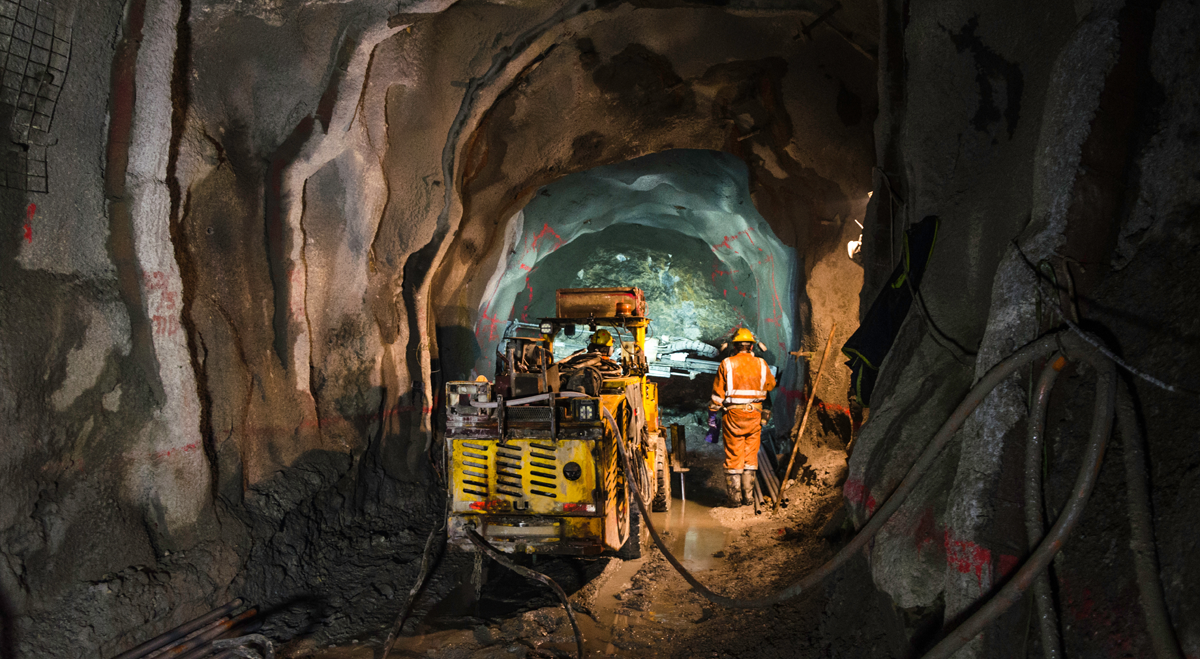
    Cadence Minerals (LSE:KDNC) has reached another milestone in the restart of the Azteca processing plant at the Amapá Iron Ore Project in Brazil, with mobilisation activities completed and refurbishment work now under way across critical plant infrastructure. The programme remains on schedule, with management targeting operational readiness by the end of August 2026, subject to the receipt of the required Operating Licence before commercial production can commence.

    Refurbishment Programme Advances on Schedule

    Work is progressing across a range of mechanical, structural and electrical systems as part of the Azteca restart initiative.

    According to management, there have been no significant delays to the schedule, with activities moving from detailed inspections and equipment refurbishment into key electrical installation work that forms part of the project’s critical path.

    The company believes maintaining progress on these activities is essential to achieving its targeted commissioning timeline later this year.

    Azteca Seen as First Step in Broader Development Plan

    The Azteca operation is designed to serve as the initial production phase of the wider Amapá Iron Ore Project strategy.

    Once operational, the facility is expected to process tailings material and produce approximately 380,000 tonnes per year of high-grade iron ore concentrate. Management expects the project to generate early cash flow that can be reinvested into the broader development of the Amapá asset.

    Cadence currently holds a 36.2% interest in the project and views the Azteca restart as an important step toward unlocking value from the wider iron ore operation.

    Financial and Market Considerations

    While operational progress remains encouraging, the company continues to face challenges associated with its financial profile. Cadence has reported losses over multiple years, alongside declining revenue trends and ongoing negative free cash flow.

    These factors are partly offset by a relatively low level of debt, which provides some balance sheet strength as development activities continue.

    From a market perspective, technical indicators remain supportive, with the shares trading above key moving averages and maintaining positive momentum. However, valuation metrics remain difficult to justify using conventional measures given the absence of earnings and dividend support.

    More About Cadence Minerals

    Cadence Minerals is a UK-listed mining investment and development company with interests in a range of mineral assets, including a significant stake in Brazil’s Amapá Iron Ore Project.

    The Amapá operation comprises an integrated mining, beneficiation, rail and port infrastructure network and is being developed to supply high-grade direct reduction iron ore concentrate to global steel producers. Through its 36.2% interest, Cadence is seeking exposure to the growing demand for premium-quality iron ore products used in lower-carbon steelmaking processes.