Author: Fiona Craig

  • Plexus wins two-year engineering contract with Cactus for offshore wellhead technology

    Plexus wins two-year engineering contract with Cactus for offshore wellhead technology

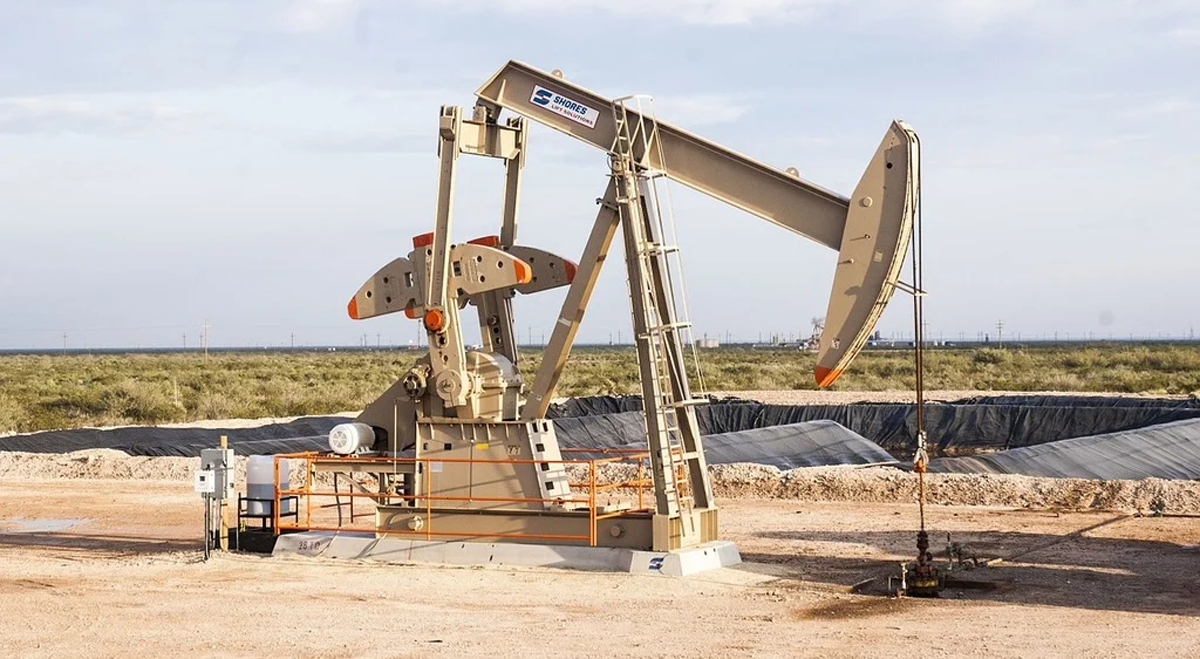
    Plexus Holdings (LSE:POS) has secured a two-year engineering agreement with Cactus Wellhead LLC to design, develop and qualify a new generation of wellhead products for offshore energy projects. The work will draw on Plexus’s engineering expertise and testing facilities in Aberdeen, further strengthening its position as a specialist provider of advanced wellhead technology.

    As part of the agreement, Plexus will receive an initial £1 million commitment payment, secured by a debenture over the company’s assets. The contract is also expected to generate up to an additional £1.5 million in revenue over its duration, with the potential for further income if the scope of work expands. All engineering and development activities will be undertaken by Plexus’s in-house team, providing greater revenue visibility while supporting skilled employment and technical capabilities at its Aberdeen operations.

    The partnership reinforces Plexus’s role within the offshore energy supply chain and highlights continued demand for its specialist engineering services. The contract provides a committed revenue stream, creates opportunities for additional project work and strengthens the company’s relationship with a leading international wellhead provider.

    Despite the positive contract win, Plexus continues to face financial challenges following weaker trading performance and negative cash flow in 2025. The company’s technical indicators also remain subdued, with the share price trading below key moving averages and momentum remaining weak. Valuation support is limited by ongoing losses and the absence of a dividend.

    More about Plexus Holdings

    Plexus Holdings is an Aberdeen-based engineering company specialising in proprietary wellhead technology for the offshore energy industry. Its products are used in jack-up rig exploration and appraisal drilling, plug and abandonment projects, and emerging sectors including carbon capture and storage, hydrogen and geothermal energy.

    The company is recognised for its POS-GRIP technology and HG metal-to-metal sealing systems, which are designed to improve well integrity, reduce the risk of blowouts, minimise methane emissions and lower maintenance requirements. Plexus also provides engineering services, specialist equipment and adjustable wellhead systems to customers worldwide, and has been recognised with the London Stock Exchange’s Green Economy Mark for its contribution to cleaner and safer offshore energy infrastructure.

  • Caledonia Mining increases second-quarter gold production and maintains 2026 outlook

    Caledonia Mining increases second-quarter gold production and maintains 2026 outlook

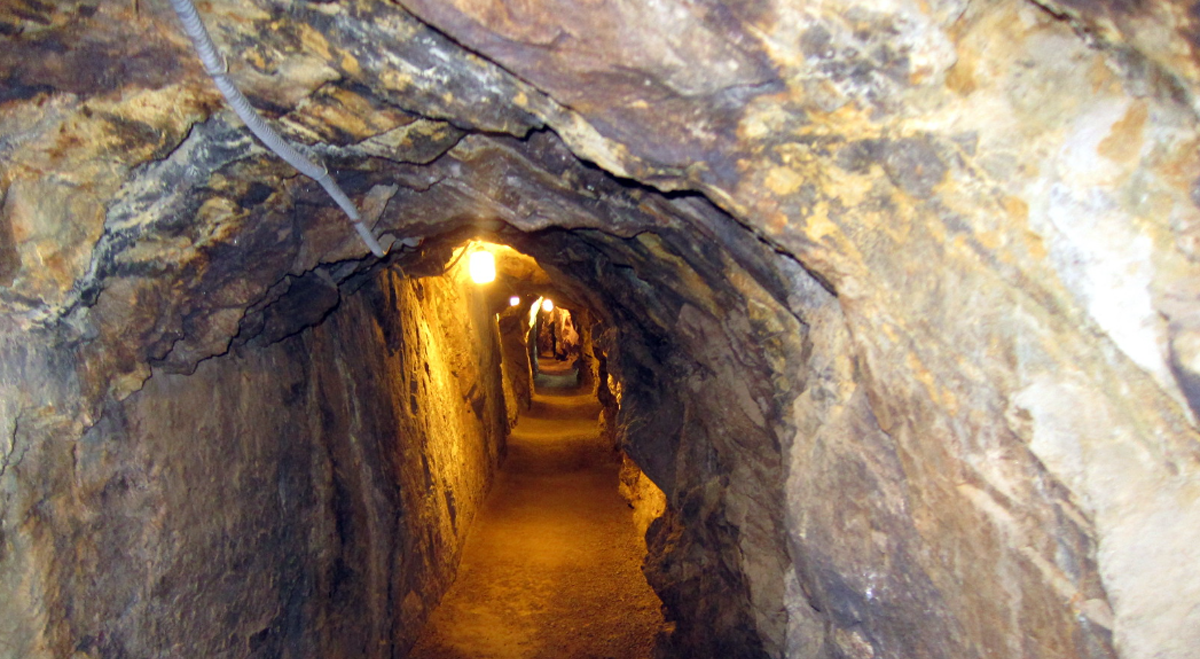
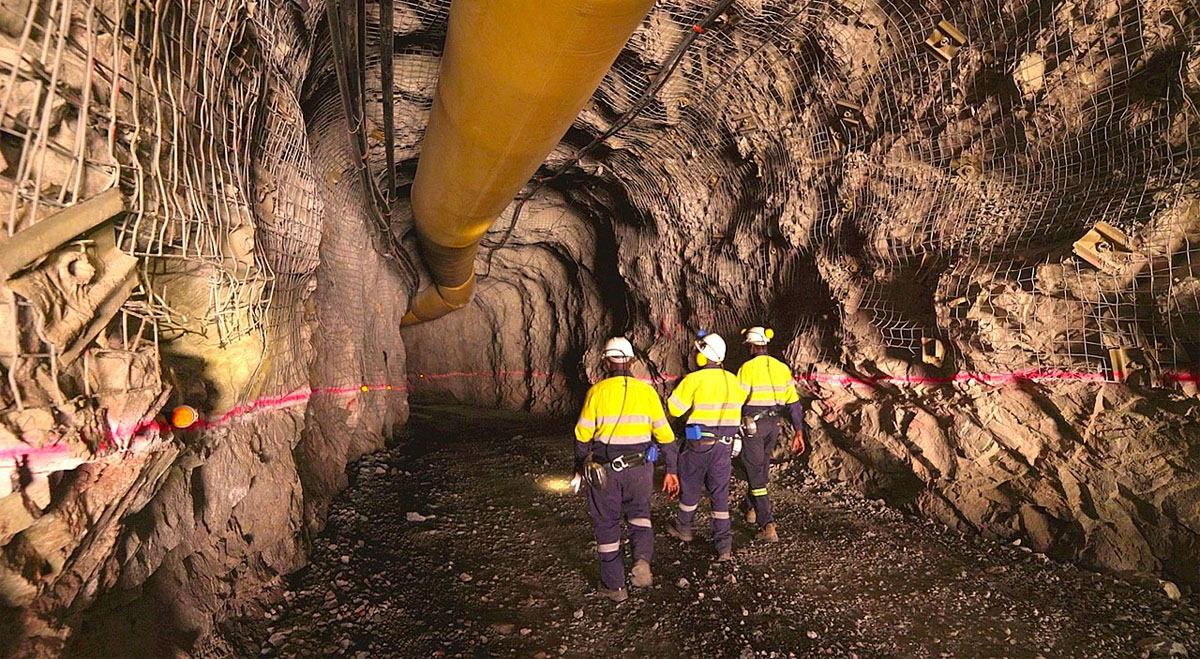
    Caledonia Mining (LSE:CMCL) produced 17,360 ounces of gold from its Blanket Mine in Zimbabwe during the second quarter of 2026, representing an 18% increase compared with the first quarter. The improvement was driven by better access to higher-grade mining areas and an increase in average plant grades. Although production was below the record level achieved in the second quarter of 2025, the company reaffirmed its full-year production guidance of between 72,000 and 76,500 ounces, with output expected to be weighted towards the second half of the year.

    Management said initiatives to improve access to higher-grade ore are delivering encouraging results, with mined grades now averaging around 3g/t. Production is forecast to strengthen further during the remainder of 2026, supported by improved mine development, the completion of an upgrade to the elution plant that will enable processing of stockpiled fine-grain loaded carbon, and the introduction of a seven-day operating schedule. The extended working week is expected to increase ore throughput by approximately 200 tonnes per day.

    More about Caledonia Mining

    Caledonia Mining Corporation Plc is a gold producer listed on the NYSE American, AIM and the Victoria Falls Stock Exchange. Its principal asset is the Blanket Mine in Zimbabwe, where the company focuses on underground gold mining and operational improvements designed to increase production efficiency and enhance ore grades.

    The Blanket Mine remains the cornerstone of Caledonia’s business and plays an important role in Zimbabwe’s gold mining industry. The company continues to invest in processing upgrades, mine development and operational enhancements to improve throughput while maintaining consistent production and supporting long-term growth.

  • Residential Secure Income progresses wind-down with Living REIT share distribution and cash return

    Residential Secure Income progresses wind-down with Living REIT share distribution and cash return

    Residential Secure Income plc (LSE:RESI) has taken another major step in its managed wind-down following the completion of the Retirement Disposal of its retirement housing portfolio. Through its subsidiary, ReSI Portfolio Holdings Limited, the company received consideration comprising £62.3 million in newly issued Living REIT plc shares and £45 million in cash. The 66,103,233 new Living REIT ordinary shares were admitted to trading on the London Stock Exchange’s Main Market on 16 July 2026.

    The Living REIT shares will be distributed directly to eligible RESI shareholders through an in specie distribution. Shareholders on the register as of 22 July 2026 will receive approximately 0.3570 Living REIT shares for every RESI share held, with fractional entitlements rounded down. The cash proceeds are expected to be returned during the third quarter of 2026 through a bonus issue and redemption of B shares, subject to the company retaining sufficient funds to meet transaction costs, working capital requirements, tax obligations and expenses associated with its planned exit from the UK REIT regime.

    The combination of share and cash distributions represents a key milestone in the company’s orderly wind-down strategy. Shareholders will receive immediate value through the planned capital return while retaining exposure to the retirement housing sector via their direct ownership of Living REIT shares.

    The company’s financial outlook remains mixed. While leverage has been significantly reduced and recurring cash generation remains relatively strong, declining revenue, ongoing net losses and falling property valuations continue to present challenges. Technical indicators also remain weak, although the company’s dividend yield continues to provide some valuation support during the wind-down process.

    More about Residential Secure Income

    Residential Secure Income plc is a UK-listed real estate investment trust specialising in residential property, including retirement housing assets held through its subsidiary, ReSI Portfolio Holdings Limited. The company is implementing a managed wind-down strategy that includes asset disposals, capital returns and an orderly withdrawal from the UK REIT regime.

    Living REIT plc, which forms part of the consideration for the Retirement Disposal, is listed in the closed-ended funds segment of the Official List and trades on the London Stock Exchange’s Main Market. The transaction allows RESI shareholders to maintain an investment in the retirement living sector while the company continues returning capital.

    RESI has stated that future cash distributions under its planned B Share Scheme will depend on retaining adequate funds to cover outstanding liabilities, transaction expenses, working capital needs, property income distribution requirements and the costs of completing its exit from the UK REIT regime.

  • Oracle Power progresses permitting for Northern Zone Gold Project in Western Australia

    Oracle Power progresses permitting for Northern Zone Gold Project in Western Australia

    Oracle Power PLC (LSE:ORCP) has moved closer to the development of its Northern Zone Gold Project after advancing several key permitting and regulatory activities at its Kalgoorlie Gold Project in Western Australia. The company expects to submit both its Site Clearance and Native Vegetation Clearing Permit applications this month, supported by near-complete flora, vegetation and fauna assessments.

    Work is also progressing on the Mine Development and Closure Proposal, with a heritage work area clearance survey now completed and technical studies covering hydrogeology, geotechnical conditions, geology and soils approaching their final reporting stage. Oracle Power said the coordinated progress across these workstreams brings the Northern Zone project closer to the start of mining operations and represents an important milestone in transitioning the asset from development planning towards production.

    While operational progress continues, Oracle Power remains a pre-revenue business and continues to report losses as it invests in project development. Ongoing cash outflows and the likelihood of future funding requirements continue to weigh on the company’s financial outlook. Technical indicators remain broadly neutral, while valuation is constrained by negative earnings and the absence of a dividend.

    More about Oracle Power PLC

    Oracle Power PLC is an AIM-listed project developer focused on advancing natural resource projects, with a particular emphasis on gold assets in Western Australia. Its flagship Kalgoorlie Gold Project includes the Northern Zone Gold Project on mining lease M25/389, located close to the established Kalgoorlie mining district and its extensive infrastructure.

    The company is working to move the Northern Zone project through the regulatory approval process and into the development phase. By completing permitting, environmental assessments and technical studies, Oracle Power aims to position the project for future production and strengthen its presence in Australia’s gold mining sector.

  • Sareum completes Phase 2-enabling toxicology dosing for SDC-1801 autoimmune therapy

    Sareum completes Phase 2-enabling toxicology dosing for SDC-1801 autoimmune therapy

    Sareum Holdings (LSE:SAR) has reached an important development milestone after completing dosing in the Phase 2-enabling toxicology programme for its lead drug candidate, SDC-1801. The selective oral TYK2/JAK1 inhibitor is being developed to treat autoimmune diseases, with psoriasis identified as the initial target indication. The company is now evaluating the toxicology results while continuing chemistry, manufacturing, controls and formulation activities. Sareum expects to complete the full Phase 2-enabling regulatory package during the fourth quarter of 2026 using its existing cash resources, paving the way for planned Phase 2 clinical studies and supporting the advancement of its broader pipeline in autoimmune and oncology therapies.

    Despite this operational progress, Sareum remains in the clinical development stage and has yet to generate revenue. The business continues to report operating losses and cash outflows as it funds research and development, meaning future financing may be required. While technical indicators point to a positive share price trend, momentum appears elevated, suggesting the stock may be approaching overbought territory. Valuation also remains limited by negative earnings and the absence of dividend income.

    More about Sareum Holdings

    Sareum Holdings plc is a Cambridge-based clinical-stage biotechnology company listed on AIM under the ticker SAR. The business specialises in developing next-generation small-molecule kinase inhibitors that target the JAK signalling pathway.

    Its lead programme, SDC-1801, is focused on autoimmune diseases including psoriasis, while its wider pipeline includes SDC-1802 and the licensed oncology asset SRA737. Through these programmes, Sareum aims to develop new treatments for autoimmune disorders, cancer and neuroinflammatory diseases.

  • South32 exceeds FY2026 production guidance as aluminium sale strengthens base metals strategy

    South32 exceeds FY2026 production guidance as aluminium sale strengthens base metals strategy

    South32 (LSE:S32) delivered a strong operational performance in fiscal 2026, surpassing its overall production guidance while increasing quarterly sales volumes by 15%. The higher sales helped unlock working capital and improve cash generation across the business. Production exceeded expectations across several operations, including aluminium, manganese, copper and zinc, with Sierra Gorda, Cannington and South Africa Manganese among the strongest contributors.

    The company also took a significant step in reshaping its portfolio by agreeing to sell the majority of its aluminium value chain to Alcoa in a transaction with an implied enterprise value of up to $5.6 billion, in addition to rehabilitation obligations. Once the deal is completed, approximately 85% of South32’s pro forma earnings are expected to come from base and precious metals, while approved development projects are forecast to increase production by around 55%.

    South32 continued to advance its long-term growth pipeline during the year. The company approved the construction of a fourth grinding line at the Sierra Gorda copper joint venture, a project expected to increase copper-equivalent production by roughly 30% from fiscal 2031. At the Hermosa development in Arizona, South32 invested approximately $710 million during fiscal 2026, progressed construction of the Taylor zinc-lead-silver mine and secured the Final Record of Decision, completing the project’s federal environmental permitting process.

    Cash generation from equity-accounted investments remained strong, with the company receiving $503 million in net distributions during the year. South32 also continued returning capital to shareholders through dividends and share buybacks, distributing a combined $327 million. Although the transition of Mozal Aluminium into care and maintenance will result in one-off charges, these will be classified as significant items and excluded from underlying earnings as the company continues to prioritise operational performance and disciplined investment.

    For fiscal 2026, South32 expects its underlying effective tax rate to be approximately 33%, reflecting the jurisdictions in which it operates and the associated royalty structures. The company also continued investing across its portfolio through capital expenditure, additional lease commitments and exploration activities at Hermosa, Ambler Metals and other development projects designed to support future growth in base metals.

    More about South32

    South32 is a diversified global mining and metals producer with an expanding focus on base and precious metals. Its portfolio includes copper, zinc, lead, silver and manganese assets alongside alumina and aluminium operations, with projects located across Chile, the United States, Australia, South Africa and Brazil.

    The company is steadily repositioning its business towards long-life, higher-margin base metals assets, with the goal of generating the majority of future earnings from these commodities. This strategy is supported by ongoing investment in major development projects while maintaining shareholder returns through dividends and share buybacks alongside a disciplined balance sheet.

    Following its leadership transition on 1 July 2026, South32 continues to strengthen its position as a leading upstream base metals producer. Key growth initiatives include the Sierra Gorda copper expansion, the Hermosa zinc-lead-silver and battery-grade manganese projects in Arizona, and established manganese operations in Australia and South Africa that underpin its global production footprint.

  • IEA Sees Narrow Window to Prevent Global Economic Fallout From Hormuz Disruption

    IEA Sees Narrow Window to Prevent Global Economic Fallout From Hormuz Disruption

    The International Energy Agency (IEA) has warned that the world has only a matter of weeks to avoid broader economic consequences if shipping through the Strait of Hormuz is not fully restored.

    Escalating tensions in the Middle East have once again disrupted tanker traffic through the critical maritime corridor, increasing concerns over global energy supplies and inflation.

    Shipping Disruptions Push Oil Prices Higher

    Recent attacks on commercial vessels, combined with renewed U.S. military action and restrictions on Iranian oil exports, have brought tanker movements through the Strait of Hormuz to a standstill after a brief recovery.

    The slowdown has halted efforts by Gulf producers to accelerate exports, while oil prices have risen roughly 13% since last Friday as markets price in higher geopolitical risk.

    Markets Monitor Inflation and Energy Risks

    Investors are increasingly concerned that extended shipping disruptions could tighten fuel supplies and push inflation higher, prompting renewed volatility across financial markets.

    According to analysts, refined fuel markets are currently under greater strain than crude oil supplies.

    IEA Calls for Immediate Reopening

    Fatih Birol warned that the economic consequences could emerge quickly if shipping is not restored.

    “If the Strait of Hormuz remains closed we may again have some difficulty for global economies, including those in the region and developing nations and Asia,” he said.

    “It is not months, it is weeks” after which the strait needs to be “fully open, unconditionally open,” to spare the global economy from new challenges and slowdown.

    The IMO also cautioned that the waterway has become too dangerous for many commercial vessels, underscoring the growing risks to global energy trade.

  • Hedge Funds Retreat From AI Positions After Crowded Trades Reverse

    Hedge Funds Retreat From AI Positions After Crowded Trades Reverse

    Hedge funds have endured one of their toughest trading stretches in almost a year as crowded artificial intelligence and technology positions reversed amid elevated market volatility.

    Quantitative investment firms suffered the sharpest declines, while traditional equity managers also cut exposure to AI-linked trades as investors reduced risk across global markets.

    Quant Strategies Lose Momentum

    Algorithm-driven hedge funds have surrendered around one-quarter of their gains for 2026, with year-to-date returns falling from 14.4% to 10.8%.

    The losses were driven largely by positions involving U.S. equities, developed Asian markets and European stocks, all of which experienced significant price swings.

    Semiconductor Volatility Adds Pressure

    Trading conditions became increasingly difficult as semiconductor stocks experienced sharp fluctuations during late June and early July. High levels of leverage among investors in South Korea further amplified market moves.

    Quantitative managers represented roughly 10% of the largest hedge funds globally in 2025, underscoring their growing role in financial markets.

    Regulators Highlight Financial Stability Concerns

    Authorities including the Bank of England, the Bank of Japan and the Bank for International Settlements have continued to warn that elevated asset valuations and expanding hedge fund participation could increase financial market volatility.

    AI Positions Unwind Across the Industry

    Fundamental hedge funds declined 2.2% over the same period as previously popular AI investments lost momentum.

    Portfolio managers “aggressively” reduced AI-related holdings, driving hedge fund leverage to its lowest level in the past year as firms sought to lower overall market exposure.

  • EIA Reports 1.7 Million Barrel US Crude Draw as Oil Traders Watch Geopolitical Risks

    EIA Reports 1.7 Million Barrel US Crude Draw as Oil Traders Watch Geopolitical Risks

    The U.S. Energy Information Administration (EIA) reported that commercial crude oil inventories declined by 1.7 million barrels during the week ending July 10, reducing total stockpiles to 409.7 million barrels. The latest figures leave U.S. crude inventories 6% below the five-year seasonal average as investors continue monitoring developments in global energy markets.

    The government report came after the American Petroleum Institute (API) estimated a smaller draw of 564,000 barrels in its preliminary weekly inventory data.

    Crude Prices Slip Even With Rising Middle East Tensions

    Despite heightened geopolitical concerns involving the United States and Iran, oil prices traded lower on Wednesday morning. Brent crude changed hands at $84.08 per barrel at 10:45 a.m. in New York, down $0.65 (0.77%) on the session but still around $7 per barrel above last week’s level. WTI crude fell $0.21 (0.26%) to $79.13 per barrel.

    Mixed Fuel Inventory Trends Continue

    According to the EIA, gasoline inventories declined by 1.5 million barrels, while gasoline production eased to an average of 9.6 million barrels per day.

    Distillate fuel inventories, however, climbed by 4.6 million barrels as production increased to an average of 5.3 million barrels per day. Even with the latest increase, distillate inventories remain 11% below the five-year seasonal average.

    Petroleum Demand Remains Resilient

    The report also indicated that total petroleum products supplied averaged 20.3 million barrels per day over the past four weeks, up 0.3% from the same period last year.

    Average gasoline supplied reached 8.9 million barrels per day, while distillate supplied averaged 3.7 million barrels per day, representing a 2.1% decline compared with a year ago.

  • Why Every Investor Eventually Needs a Disciplined Strategy

    Why Every Investor Eventually Needs a Disciplined Strategy

    Most investors eventually realize that consuming more market commentary does not necessarily improve investment decisions. While education is important, relying on opinions and reacting to every market move often creates unnecessary uncertainty.

    The real advantage comes from following a repeatable investment process that helps remove emotion from decision-making.

    Staying Focused Through Market Cycles

    A disciplined framework allows investors to respond consistently during rallies, market corrections and periods of uncertainty rather than making decisions based on fear or excitement.

    This becomes increasingly valuable as retirement approaches, when recovering from major losses can take years.

    Building Confidence Through Structure

    The biggest shift occurs when investors stop trying to predict every market move and instead trust a well-defined process. Although uncertainty never disappears, a structured approach can improve discipline, reduce second-guessing and keep long-term financial goals at the center of every decision.