Author: Fiona Craig

  • Fulcrum Metals progresses cyanide-free tailings programme with pilot plant and new funding support (FMET)

    Fulcrum Metals progresses cyanide-free tailings programme with pilot plant and new funding support (FMET)

    Fulcrum Metals (LSE:FMET) has marked a significant year of development as it moves beyond laboratory testing and into pilot-scale deployment of its cyanide-free gold recovery process at the Teck-Hughes tailings project in Canada. Through a pilot plant agreement with TDI Solutions, the company expects to generate operational data that will support engineering studies, permitting activities and future commercial development, while establishing Teck-Hughes as a potential model for applying the technology across historic mine waste sites in the Kirkland Lake and Timmins mining districts.

    The company also enhanced its financial position by securing a £6 million funding package from Yorkville Advisors and signing a non-binding royalty term sheet with Chancery Royalty. The proposed royalty arrangement could provide as much as US$20 million in non-dilutive funding for the Teck-Hughes project, reflecting growing external confidence in the commercial prospects of Fulcrum’s mine waste recovery strategy.

    Alongside its technology initiatives, exploration activities continued to deliver positive results. A 159-hole auger drilling programme and an updated mineral resource estimate at the Tully Gold Project confirmed the presence of multi-commodity mineralisation and resulted in additional consideration through Loyalist shares. Meanwhile, exploration success at the Big Bear project has added further strategic flexibility as the company continues prioritising technology-driven tailings recovery opportunities.

    Management said its combination of proprietary processing technology and a portfolio of tailings and exploration assets creates a distinctive position within the junior mining sector, providing exposure to both sustainable resource development and increasing demand for critical minerals. Over the next year, Fulcrum intends to complete the Teck-Hughes pilot programme, publish its maiden NI 43-101 resource estimate, advance engineering and permitting work, finalise royalty financing arrangements and pursue further value-enhancing opportunities across its Canadian asset portfolio.

    More about Fulcrum Metals Plc

    Fulcrum Metals Plc is an AIM-listed natural resources company focused on developing innovative solutions to recover precious and critical metals from historic mine tailings in Canada. Through an exclusive agreement to deploy Extrakt’s cyanide-free leaching technology across the Timmins and Kirkland Lake gold camps, the company is working to unlock value from legacy mining sites including Teck-Hughes and Sylvanite, while also maintaining exploration projects in Ontario and Saskatchewan.

    Its business strategy combines ownership of mineral assets with proprietary processing technology to support more sustainable resource extraction. By progressing tailings projects towards production and expanding the model across some of Canada’s most prolific historic gold districts, Fulcrum aims to create long-term value while supporting the transition towards more environmentally responsible mining practices.


  • Wall Street futures fall as tech weakness and Middle East tensions pressure markets: Dow Jones, S&P, Nasdaq

    Wall Street futures fall as tech weakness and Middle East tensions pressure markets: Dow Jones, S&P, Nasdaq

    U.S. equity futures traded lower ahead of Thursday’s opening bell, with investors taking a more cautious stance after two consecutive days of gains as renewed geopolitical risks and weakness in technology stocks weighed on sentiment.

    Nasdaq 100 futures led the declines, reflecting broad selling pressure across the semiconductor sector.

    TSMC drops despite strong quarterly results

    Taiwan Semiconductor (NYSE:TSM) was among the biggest movers before the open, with its U.S.-listed shares falling 4.4%.

    Although the chipmaker reported second-quarter earnings ahead of expectations, investors focused on the company’s plans to significantly increase capital spending.

    “While the case for boosting capacity is clear at a time when there is a large gap between supply and demand, shareholders will want TSMC to retain some discipline even as it looks to meet orders piling up,” said AJ Bell head of markets Dan Coatsworth.

    Oil climbs as conflict intensifies

    Energy markets also remained in focus as U.S. crude futures climbed back above $80 per barrel following another round of military action between the United States and Iran.

    Washington carried out fresh strikes on Iranian targets overnight, while Tehran responded with attacks on U.S. military bases in Gulf nations and warned it could strike “all the infrastructure in the region” if President Donald Trump proceeds with threats against Iranian energy and transport infrastructure.

    Inflation data boosts hopes for steady interest rates

    Wednesday’s market gains were driven by softer-than-expected producer inflation data.

    The Producer Price Index fell 0.3% in June, compared with expectations for a smaller decline, while annual producer inflation slowed to 5.5%.

    The latest figures followed weaker consumer inflation data earlier in the week, reinforcing expectations that the Federal Reserve may keep interest rates unchanged.

    “Traders are rapidly retreating from rate-hike bets,” FHN Financial Chief Economist Chris Low said. “Fed funds futures see the odds of a hike this month now at 9% and have a hike fully priced in by December. Yesterday, it was September.”

    Investors monitor earnings and geopolitics

    Despite easing inflation pressures, investors remained focused on the escalating conflict in the Middle East.

    President Donald Trump told Fox News that the United States could target Iranian power plants and bridges next week “unless they get to the table and negotiate.”

    Brokerage and airline stocks outperformed during Wednesday’s session, while semiconductor, networking and computer hardware companies lagged behind the broader market as investors rotated away from technology.

  • European markets retreat as Middle East tensions and earnings updates weigh on sentiment: DAX, CAC, FTSE100

    European markets retreat as Middle East tensions and earnings updates weigh on sentiment: DAX, CAC, FTSE100

    European equity markets traded lower on Thursday as investors assessed rising geopolitical risks in the Middle East alongside a fresh wave of corporate earnings announcements.

    Losses were partly cushioned after new economic data showed the U.K. economy returned to growth in May, supported by stronger activity in the services sector.

    UK economy returns to growth

    Figures released by the Office for National Statistics showed that U.K. gross domestic product expanded by 0.1% in May, reversing the 0.1% decline recorded in April, which had marked the first monthly contraction since October 2025.

    On an annual basis, the economy grew 1.3% in May.

    Despite the encouraging data, the FTSE 100 fell 0.4%, while Germany’s DAX and France’s CAC 40 both declined 1.1%.

    Sterling also weakened against the U.S. dollar after reports suggested Home Secretary Shabana Mahmood is the leading candidate to become the UK’s next Chancellor.

    Corporate news drives stock moves

    Delivery Hero (TG:DHER) declined after Uber Technologies (NYSE:UBER) formally launched a public takeover offer valuing the German food delivery company at €41.50 per share.

    TotalEnergies (LSE:TTE) also came under pressure after the French energy group said the conflict in the Middle East had reduced its second-quarter production by approximately 210,000 barrels of oil equivalent per day.

    Experian (LSE:EXPN) traded lower after reaffirming its full-year outlook without upgrading guidance.

    Ocado (LSE:OCDO) also lost ground after announcing additional delays to two automated fulfilment centres currently under development.

    Mining group BHP (LSE:BHP) weakened after reporting a 5% decline in fourth-quarter copper production.

    ABB (TG:ABB) also moved lower after announcing its $5.5 billion acquisition of British automation specialist Rotork, while Rotork shares surged on the agreed takeover.

    Publicis and BASF outperform

    Among the stronger performers, Publicis Groupe (EU:PUB) advanced after posting robust second-quarter results and raising its full-year guidance.

    German chemicals producer BASF (TG:BAS) also gained after increasing its outlook for full-year EBITDA before special items.

  • QinetiQ maintains FY27 guidance after first-quarter trading meets expectations (QQ.)

    QinetiQ maintains FY27 guidance after first-quarter trading meets expectations (QQ.)

    QinetiQ Group (LSE:QQ.) delivered a first-quarter trading update that was broadly in line with market expectations and reaffirmed its financial targets for fiscal 2027, while highlighting continued confidence in its long-term growth strategy.

    The defence technology company said it expects first-half revenue to account for around 46% of full-year sales, a level Barclays analysts said is consistent with historical seasonal trends. Based on current forecasts, that implies first-half revenue of approximately £920 million with an underlying operating profit margin of about 11%.

    Share buyback programme continues

    During the first quarter, QinetiQ repurchased £32 million of shares as part of its ongoing £100 million buyback programme.

    The company expects to complete the remaining £68 million of repurchases by March 2027.

    Management also confirmed its full-year outlook remains unchanged, with guidance calling for organic revenue growth of between 3% and 5%, an underlying operating margin of approximately 11.0% to 11.5%, earnings growth of 8% to 10%, and cash conversion above 90%.

    QinetiQ added that it continues to evaluate strategic options for its U.S. operations and plans to provide a further update alongside its interim results on 12 November 2026.

    Barclays sees no change to forecasts

    “As a result of this, we make no changes to our FY forecasts and expect consensus to stay at ~£228m,” Barclays analysts said following the update.

    The bank noted that the company’s order backlog remains strong and visibility has improved following the UK government’s recently announced Defence Investment Plan (DIP).

    Defence spending expected to support long-term growth

    Barclays said the Defence Investment Plan, unveiled on 30 June 2026, provides greater clarity over future defence procurement and military capability spending as the UK and other European countries continue increasing investment in national security.

    The analysts also described QinetiQ as “still the cheapest stock in U.K. defence,” noting that the shares trade at approximately 9.5 times enterprise value to EBIT compared with an average multiple of around 12.5 times for UK defence peers.

    According to Barclays, QinetiQ’s expertise in testing and evaluation, cyber security, digital integration and applied research positions the company to benefit from increased Ministry of Defence spending as military modernisation efforts accelerate.

  • Gold weakens as higher oil prices overshadow softer US inflation

    Gold weakens as higher oil prices overshadow softer US inflation

    Gold prices remained under pressure on Thursday as investors focused on the inflationary impact of rising energy prices rather than the latest easing in US inflation, reinforcing expectations that the Federal Reserve will remain cautious over future interest-rate decisions.

    At 04:42 ET (08:42 GMT), spot gold (XAU/USD) was down 0.7% at US$4,032.37 an ounce, while gold futures slipped 0.4% to US$4,037.10. Silver (XAG/USD) declined 1.48% to US$56.92 an ounce and platinum (XPT/USD) lost 1.11% to US$1,659.20.

    Oil rally clouds inflation outlook

    Although recent US inflation reports showed producer and consumer price pressures easing, markets remained more concerned about the impact of rising crude oil prices.

    The latest increase in energy prices followed renewed military action in the Middle East, raising concerns that fuel costs could once again feed into broader inflation and delay any future easing of monetary policy.

    Normally, weaker inflation would support gold by reducing expectations for higher interest rates and weighing on the US dollar. However, the oil rally has prompted investors to question whether the recent disinflation trend will continue.

    Federal Reserve keeps policy options open

    Federal Reserve Chair Kevin Warsh said policymakers remain committed to bringing inflation back to the central bank’s 2% target and stand ready to adjust interest rates if inflation proves more persistent than expected.

    He also argued that investment in artificial intelligence alone is unlikely to create widespread inflationary pressures.

    Federal Reserve Governor Lisa Cook echoed the cautious stance, saying further action could be required if inflation remains elevated, while New York Fed President John Williams described current interest rates as “well positioned” to guide inflation back towards target.

    Geopolitical risks continue to support oil

    Markets also remained focused on developments in the Middle East.

    The United States carried out another day of strikes against Iranian targets, while President Donald Trump reiterated that military operations would continue until attacks on commercial shipping ceased and the Strait of Hormuz reopened.

    Higher oil prices continue to pose a challenge for policymakers by increasing the risk that inflation remains above target, potentially supporting Treasury yields and the US dollar while reducing the appeal of non-yielding assets such as gold.

    ANZ said the key issue for investors is whether the Federal Reserve interprets the latest rise in oil prices as a temporary supply disruption or the beginning of a broader inflationary trend.

  • Oil pauses after strong rally as traders monitor Iran conflict and Hormuz shipping risks

    Oil pauses after strong rally as traders monitor Iran conflict and Hormuz shipping risks

    Oil prices edged lower on Thursday, taking a breather after a sharp three-day rally, as investors continued to assess the impact of the conflict involving Iran on global energy supplies and the security of the Strait of Hormuz.

    At 04:38 ET (08:38 GMT), Brent crude for September delivery slipped 0.4% to US$84.58 per barrel, while West Texas Intermediate (WTI) crude eased 0.1% to US$79.56 per barrel.

    The two global benchmarks had surged nearly 10% earlier in the week, reaching one-month highs after geopolitical tensions intensified.

    Hormuz remains the market’s main concern

    The Strait of Hormuz continues to dominate market attention, with around 20% of global oil and liquefied natural gas exports passing through the strategic waterway.

    Oil prices climbed after the United States carried out another round of strikes against Iranian military targets linked to attacks on commercial shipping.

    US officials said the operation was designed to weaken Iran’s ability to threaten maritime trade in the Gulf, while Tehran warned that the conflict represented an “existential war” with the United States and cautioned that regional energy exports could face further disruption.

    Analysts expect volatility to continue

    Analysts believe the latest escalation has significantly increased supply risks.

    “The concern is that renewed oil supply disruptions come amid the large inventory drawdowns through the second quarter, leaving the market more vulnerable,” ING analysts said.

    “In addition, global SPR releases, which have helped the market out over recent months, are set to end in the next few weeks,” they added.

    Jefferies also expects the current tensions to continue for several weeks, arguing that shipping through the Strait of Hormuz is likely to remain constrained even if the conflict does not broaden into a full-scale war.

    Inventory data supports crude prices

    US inventory figures also provided a supportive backdrop.

    The Energy Information Administration reported a 1.7 million-barrel decline in crude oil inventories during the week ended 10 July, broadly matching market forecasts.

    Gasoline inventories fell by 1.5 million barrels as seasonal demand remained strong, while distillate stocks unexpectedly increased by 4.6 million barrels.

    The International Energy Agency warned in its latest Oil Market Report that although shipping through the Strait of Hormuz improved during June, the renewed conflict has increased uncertainty and could postpone expectations for an oil market surplus in 2027.

  • Wall Street holds steady as TSMC earnings strengthen AI outlook ahead of key US data: Dow Jones, S&P, Nasdaq, Wall Street

    Wall Street holds steady as TSMC earnings strengthen AI outlook ahead of key US data: Dow Jones, S&P, Nasdaq, Wall Street

    US equity futures were little changed on Thursday as investors weighed encouraging corporate earnings against geopolitical uncertainty and prepared for another busy day of economic releases. Record quarterly results from Taiwan Semiconductor Manufacturing Company also reinforced confidence that investment in artificial intelligence infrastructure remains strong.

    Inflation concerns ease as focus shifts to earnings

    Following Wednesday’s gains, Wall Street futures traded in a narrow range as investors turned their attention back to company results and macroeconomic indicators.

    At 04:00 ET, futures on the S&P 500 were down 0.2%, Nasdaq 100 futures declined 0.4%, while Dow Jones futures were broadly unchanged.

    Recent inflation data has strengthened expectations that the Federal Reserve can leave interest rates unchanged in the coming months, reducing one of the market’s biggest concerns. Investors are now looking to corporate earnings to determine whether current equity valuations remain justified.

    TSMC delivers another strong quarter

    Taiwan Semiconductor Manufacturing Company (NYSE:TSM) reported record second-quarter earnings after demand for advanced AI processors remained exceptionally strong.

    Net profit increased 77% year over year to T$706.6 billion (US$22 billion), comfortably surpassing analysts’ forecasts.

    As the primary chip manufacturer for companies including Nvidia and Apple, TSMC’s results are viewed as a key measure of global investment in artificial intelligence. The figures also followed positive guidance from ASML, adding further evidence that spending on AI infrastructure continues to accelerate.

    Apple approval lifts Chinese technology stocks

    Chinese technology shares advanced after Apple (NASDAQ:AAPL) received regulatory approval to launch Apple Intelligence features in China.

    Alibaba (NYSE:BABA) gained almost 5%, while Baidu (NASDAQ:BIDU) rose around 4% as investors welcomed the approval, which clears the way for Apple’s AI services in one of its largest markets.

    The development is expected to benefit both Apple and its domestic technology partners involved in supporting its artificial intelligence ecosystem.

    Markets monitor geopolitical developments

    Geopolitical risks remained firmly on investors’ radar following another round of US military action targeting Iran.

    Although markets have become more resilient to daily developments, concerns remain that any disruption to shipping through the Strait of Hormuz could push energy prices higher and complicate the inflation outlook.

    Investors await fresh market catalysts

    Attention now turns to quarterly results from Netflix (NASDAQ:NFLX), GE Aerospace (NYSE:GE), State Street (NYSE:STT) and U.S. Bancorp (NYSE:USB), alongside June retail sales and weekly jobless claims data.

    These releases are expected to provide a clearer picture of the strength of the US economy and help determine whether this year’s rally in equities can continue.

  • European stocks tread cautiously as geopolitical tensions offset softer US inflation: DAX, CAC, FTSE100

    European stocks tread cautiously as geopolitical tensions offset softer US inflation: DAX, CAC, FTSE100

    European equity markets traded little changed on Thursday as investors balanced easing inflationary pressures in the United States against rising geopolitical risks in the Middle East. While expectations of a patient Federal Reserve provided support, escalating tensions involving Washington and Tehran continued to keep energy prices elevated and limited risk appetite.

    Markets remain steady despite geopolitical uncertainty

    The pan-European STOXX 600 was broadly unchanged in early trading, outperforming weaker sentiment across Asian technology markets.

    Germany’s DAX, France’s CAC 40 and Italy’s FTSE MIB also traded close to flat, while London’s FTSE 100 slipped 0.4%.

    Investor sentiment remained heavily influenced by developments in the Middle East. Oil prices stayed near one-month highs after further US military strikes in Iran, while Tehran warned that the conflict could develop into what it described as an “existential war” with the United States.

    Softer US data supports rate expectations

    Providing some support to markets, the latest US inflation data reinforced expectations that the Federal Reserve is unlikely to tighten monetary policy in the near term.

    Producer Price Index (PPI) figures released overnight came in below expectations, adding to recent evidence of moderating consumer inflation and a cooling labour market.

    As a result, financial markets have reduced expectations of further policy tightening, with the implied probability of a Federal Reserve interest rate increase as early as July falling to around 10%.

    Earnings season and AI remain in focus

    Investors are also awaiting quarterly results from Taiwan Semiconductor Manufacturing Company (NYSE:TSM), widely viewed as a key indicator of demand across the semiconductor and artificial intelligence industries.

    The update is expected to provide further insight into the durability of global investment in AI infrastructure as the second-quarter earnings season gathers pace.

    Analysts currently expect companies within the STOXX 600 to deliver earnings growth of approximately 14.5% year over year, representing the strongest rate of profit growth in more than three years. However, much of that increase is being driven by a sharp rise in energy sector earnings following higher oil prices linked to geopolitical tensions.

    Excluding oil and gas companies, underlying earnings growth across European businesses is expected to be closer to 5.5%, with investors closely monitoring management commentary on profit margins and artificial intelligence-related investment.

    Movers

    Among individual stocks, Rotork (LSE:ROR) surged 65% after ABB agreed to acquire the engineering company in a US$5.5 billion deal.

    Partners Group (LSE:PEY) fell 7% following the release of its quarterly results.

    Frasers Group (LSE:FRAS) declined 5% after reporting annual results that fell short of profit expectations.

  • Airbus selects Scaleway to support AI and defence cloud strategy (AIR)

    Airbus selects Scaleway to support AI and defence cloud strategy (AIR)

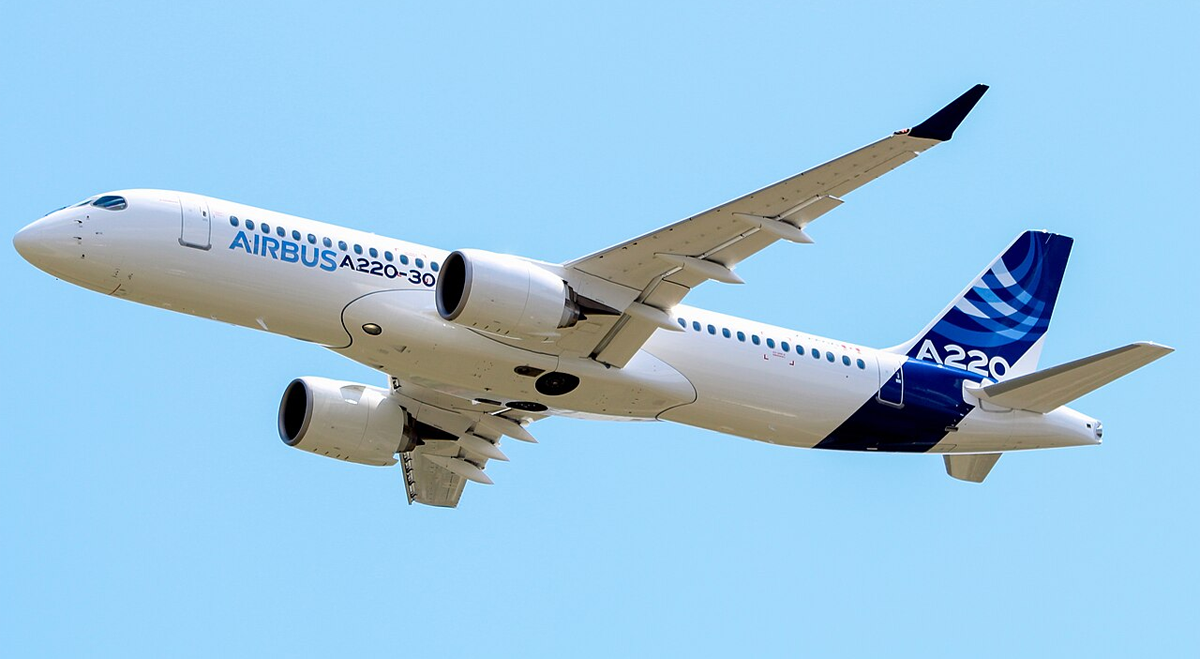
    Airbus (EU:AIR) has signed a multi-year agreement with Scaleway, the cloud computing subsidiary of Iliad, to provide cloud infrastructure for sensitive industrial and defence applications as the aerospace group strengthens its European digital sovereignty strategy.

    The partnership will support the deployment of artificial intelligence solutions being developed alongside French AI company Mistral.

    European cloud partnership supports AI deployment

    Under the agreement, Scaleway will host a range of mission-critical applications covering aircraft design, engineering, manufacturing and corporate operations.

    The announcement follows Airbus’ partnership with Mistral, unveiled in May, to jointly develop tailored AI tools for the aerospace and defence industries.

    “The fact that the Mistral models are already deployed on Scaleway infrastructure will allow us to accelerate our AI approach,” Airbus Chief Digital Officer Catherine Jestin told reporters.

    Airbus intends to deploy Mistral’s AI technology across military programmes and certified aviation systems, areas where the company believes European partners should retain control over intellectual property, research, development and sensitive information.

    Digital sovereignty at the centre of the strategy

    According to Jestin, Airbus selected Scaleway after evaluating more than 150 technical and legal criteria.

    “The second set of criteria concerned legal requirements, in particular the much-discussed protection against the kill switch and against the application of extraterritorial laws,” she said.

    The agreement reflects growing efforts across Europe to strengthen digital sovereignty as artificial intelligence becomes increasingly important in critical infrastructure, industrial production and defence technologies.

    Last month, the European Commission proposed a Cloud and AI Development Act designed to expand Europe’s domestic cloud infrastructure and computing capabilities.

    Migration programme to continue through 2028

    Airbus expects to transfer around 70 critical applications to Scaleway’s cloud platform by the end of 2028.

    Over the longer term, the migration programme could eventually extend to as many as 900 applications during the next five to six years.

    The financial terms of the agreement were not disclosed.

  • TotalEnergies forecasts stronger second-quarter earnings but shares fall on softer LNG outlook (TTE)

    TotalEnergies forecasts stronger second-quarter earnings but shares fall on softer LNG outlook (TTE)

    TotalEnergies (LSE:TTE) said it expects improved second-quarter earnings as higher oil and gas prices, driven by the conflict involving Iran, supported its upstream business. Despite the stronger outlook, the company’s shares fell after investors focused on weaker expectations for its integrated LNG division.

    Higher energy prices boost earnings outlook

    The conflict in Iran and the resulting disruption to global energy markets lifted crude oil and natural gas prices during the second quarter, providing a significant tailwind for the French energy group.

    According to TotalEnergies, Brent crude averaged approximately US$103.80 per barrel during the quarter, up around 45% from roughly US$67 in the same period last year. The company also reported an average LNG price of US$10.20 per million British thermal units, while average gas prices reached US$5.55.

    TotalEnergies said cash flow from its exploration and production business should “reflect this level of production while capturing the increase of the average liquids prices,” adding around US$1 billion compared with the first quarter.

    LNG business disappoints investors

    Although the company expects stronger downstream and integrated power results, it warned that its integrated LNG division is likely to deliver weaker performance.

    Integrated LNG cash flow and earnings are expected to “decrease significantly,” reflecting weaker gas trading activity against a broadly flat to declining European market.

    JPMorgan described the trading update as “fundamentally solid,” but said it was unlikely to generate the same earnings upgrades recently seen at rivals Shell and BP. The bank highlighted softer-than-expected LNG performance compared with the British energy majors.

    Production and balance sheet remain on track

    Hydrocarbon production is expected to total almost 2.4 million barrels of oil equivalent per day during the quarter.

    The company estimated that the conflict in the Middle East reduced production by around 210,000 barrels of oil equivalent per day, less severe than the 360,000 barrels previously anticipated.

    Net investment remains on course to meet TotalEnergies’ annual guidance of US$15 billion. The group also expects its gearing ratio to improve by around two percentage points by the end of the second quarter, while working capital is forecast to decline by between US$1 billion and US$1.5 billion.

    TotalEnergies is scheduled to publish its full second-quarter results on 23 July.