Author: Fiona Craig

  • Primary Health Properties Raises Bid for Assura to Create Major Healthcare Property Giant

    Primary Health Properties Raises Bid for Assura to Create Major Healthcare Property Giant

    Primary Health Properties PLC (LSE:PHP) has put forward an enhanced proposal to acquire Assura plc, offering a mix of cash and shares to purchase 100% of Assura’s share capital. The revised bid values Assura shares at 55.0 pence each, representing a notable premium over both previous offers and recent market valuations. This proposed merger is poised to establish one of the largest healthcare-focused real estate investment trusts (REITs) in the UK, promising shareholders improved earnings and longer-term growth prospects.

    Assura’s board, with financial guidance from Lazard, has endorsed the revised offer, describing it as fair and reasonable. The recommendation reflects the strategic merits of the deal and PHP’s efforts to address previous concerns through collaborative discussions.

    PHP’s financial position remains strong, supported by solid equity backing and zero net debt, providing a firm foundation for expansion. Technical analysis points to bullish momentum, although its elevated price-to-earnings ratio may suggest that the stock is trading above its intrinsic value. Nevertheless, the proposed merger and PHP’s track record of successful acquisitions bolster investor confidence. Recent earnings updates also highlight gains in rental income and effective asset management, though the company still faces some operational pressures.

    About Primary Health Properties plc

    Primary Health Properties PLC is a prominent REIT specializing in healthcare real estate. Its portfolio focuses on purpose-built primary care facilities, including general practitioner clinics and health centers across the UK and Ireland. PHP is dedicated to supporting modern, accessible healthcare services through high-quality property investments, aiming to deliver long-term value for shareholders while contributing to the healthcare infrastructure.

  • SDCL Efficiency Income Trust Sees Financial Recovery Despite Market Headwinds

    SDCL Efficiency Income Trust Sees Financial Recovery Despite Market Headwinds

    SDCL Efficiency Income Trust plc (LSE:SEIT) has reported a notable financial recovery in its annual results for the year ending 31 March 2025. The company posted a pre-tax profit of £70 million, marking a significant rebound from the previous year’s loss. While the net asset value (NAV) per share remained consistent, SEIT met its dividend distribution targets, maintaining a stable return for investors.

    Despite this financial upswing and steady operational performance, the company’s share price continues to trade at a discount to its NAV. This discrepancy has led SEIT to explore strategies aimed at enhancing shareholder value. Management is prioritizing balance sheet optimization and is actively seeking ways to increase liquidity and reallocate capital efficiently in a difficult market environment.

    Investor sentiment remains mixed. While the firm benefits from strong equity backing, robust cash flow generation, and consistent asset performance, concerns linger over income statement metrics and the stock’s valuation. Technical analysis reflects a cautious outlook, with a lack of upward momentum and a negative price-to-earnings ratio. Nevertheless, SEIT’s attractive dividend yield continues to draw interest from income-focused investors.

    About SDCL Efficiency Income Trust plc

    SDCL Efficiency Income Trust plc, part of the FTSE 250 index, is the UK’s first publicly listed investment company dedicated solely to energy efficiency. Its diversified portfolio spans the UK, North America, and Europe, featuring a mix of cogeneration systems, solar and energy storage projects, and energy recovery technologies. SEIT’s mission is to generate long-term shareholder returns through investments that reduce energy costs and carbon emissions, offering cleaner and more dependable energy solutions.

  • FTSE 100 Rises as Trump Delays Iran Decision; UK Retail Sales Slide Sharply in May

    FTSE 100 Rises as Trump Delays Iran Decision; UK Retail Sales Slide Sharply in May

    London’s FTSE 100 started Friday on a positive note, buoyed by a temporary easing in geopolitical tensions after U.S. President Donald Trump postponed a potential military strike on Iran. The uplift came despite disappointing economic data, with U.K. retail sales showing a steep decline for May.

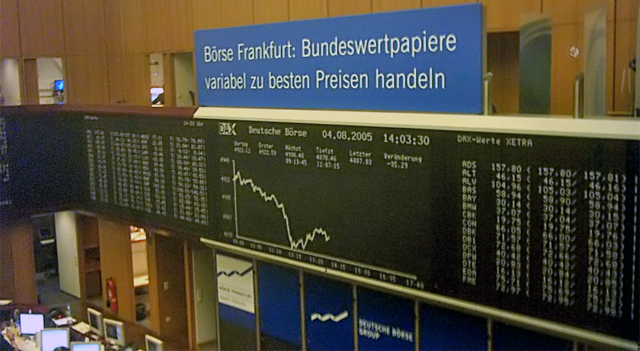
    By 07:13 GMT, the FTSE 100 index had climbed 0.4%, while the pound edged up 0.1% to trade above $1.34. Across the continent, Germany’s DAX gained 0.8%, and France’s CAC 40 advanced 0.6%.

    Geopolitical Tensions Ease Slightly

    According to the White House, President Trump will take up to two weeks to decide on whether to authorize a military response to recent escalations involving Iran. White House Press Secretary Karoline Leavitt said Trump’s decision is pending further developments, particularly around the prospect of renewed diplomatic talks.

    UK Retail Sales Post Steep Decline

    Retail spending in the U.K. took a hit in May, dropping by 2.7% month-on-month, according to data released by the Office for National Statistics. This drop followed a 1.3% increase in April and came in below analysts’ expectations. The decline was largely attributed to a slowdown in grocery purchases.

    Government Borrowing Overshoots Forecasts

    Public sector borrowing reached £17.69 billion in May—surpassing economists’ forecast of £17.1 billion. However, year-to-date borrowing remains £2.9 billion below estimates set by the Office for Budget Responsibility (OBR). The monthly budget deficit came in at £12.8 billion, just under the OBR’s £13.0 billion projection.

    Berkeley Group Shares Sink on Weaker Results

    Shares in Berkeley Group Holdings PLC (LSE:BKG) plunged more than 8% after the homebuilder reported a 5% fall in pre-tax profit to £528.9 million for fiscal year 2025. Forward sales also dropped significantly, down to £1.4 billion from £1.7 billion.

    Despite achieving modest revenue growth to £2.49 billion and an increase in both operating and gross margins, the company’s results spooked investors. Operating profit stood at £500 million, with an operating margin of 20.1% and a gross margin of 26.6%. The company maintained its profit outlook through fiscal year 2027.

  • European Stocks Edged Higher as Trump Delays Iran Decision; Weekly Losses Likely

    European Stocks Edged Higher as Trump Delays Iran Decision; Weekly Losses Likely

    European stocks rose on Friday, bouncing back after three consecutive sessions of losses amid investor jitters over the conflict in the Middle East and the potential for U.S. involvement.

    At 07:15 GMT, Germany’s DAX index gained 0.8%, France’s CAC 40 climbed 0.6%, and the U.K.’s FTSE 100 rose 0.4%. Despite the intraday gains, all three benchmark indices were set for weekly losses, with the DAX down nearly 2%, the CAC 40 off 1.7%, and the FTSE 100 0.7% lower as of Thursday’s close.

    Trump Postpones Iran Decision by “Two Weeks”

    Investor anxiety about the U.S. becoming involved in the Israel-Iran conflict dominated much of the week, especially after President Donald Trump hinted at the possibility of joining Israel’s air campaign.

    Sentiment improved after Trump announced late Thursday that a decision on whether to launch a U.S. attack on Iran would be delayed by “two more weeks.” This announcement eased concerns that a strike was imminent, following numerous earlier reports suggesting such action could happen imminently.

    Trump has previously used two-week deadlines for key decisions such as tariff negotiations, raising hopes that Tehran might be pressured into negotiations during the interim.

    Dovish Central Banks

    Earlier on Friday, China kept its benchmark lending rates steady, as widely expected. This followed a series of policy meetings by European central banks on Thursday, which all sent dovish signals.

    Norway’s central bank cut rates for the first time since 2020, the Swiss National Bank lowered rates to zero without ruling out negative rates, and the Bank of England held its policy steady but acknowledged the need for further easing.

    The potential for additional easing was underscored by U.K. retail sales, which recorded their sharpest decline since December 2023 in May, as consumer demand fell back after strong spending on food, summer apparel, and home improvements the prior month.

    Retail sales volumes dropped 2.7% in May, according to the Office for National Statistics — a much steeper fall than the 0.5% decline economists had forecast.

    Additionally, German producer prices declined by 1.2% year-on-year in May, in line with expectations.

    Berkeley Changes Management

    In corporate news, Berkeley Group (LSE:BKG) reported an increase in pretax profit for the year ending April 30 despite regulatory pressures and lower forward sales.

    The homebuilder also announced that Chairman Michael Dobson will step down after the company’s AGM in September. CEO Rob Perrins is set to become executive chair, and CFO Richard Stearn will be appointed CEO.

    Crude Slips on Trump Pause

    Crude oil prices fell on Friday following President Trump’s decision to delay action on U.S. involvement in the Iran-Israel conflict, but prices remained on track for a third consecutive week of gains.

    At 03:15 ET, Brent futures dropped 2.6% to $76.79 a barrel, while U.S. West Texas Intermediate crude fell 0.4% to $73.61 a barrel, with the U.S. market closed on Thursday for a holiday.

    Both contracts were positioned for weekly gains exceeding 3%, as the ongoing conflict between Israel and Iran showed no signs of resolution, continuing to threaten crude supply from this key oil-producing region.

  • U.K. Retail Sales Slumped in May; Down 2.7% on the Month

    U.K. Retail Sales Slumped in May; Down 2.7% on the Month

    U.K. retail sales declined sharply in May, reversing the significant gains recorded in April, with food store sales particularly dropping on a monthly basis.

    Retail sales fell by 2.7% in May compared to the previous month, following a revised 1.3% increase in April, according to data released by the Office of National Statistics on Friday. Economists had predicted a more modest monthly decline of 0.5%.

    On an annual basis, retail sales dropped by 1.3% in May, after an impressive 5.0% rise in April, when sunny weather encouraged British consumers to return to high streets, especially in food stores.

    Similarly, U.S. retail sales also fell sharply in May, declining by 0.9%, marking the largest drop since January, following a downwardly revised 0.1% dip in April. This second consecutive monthly decline reversed much of the tariff-driven surge in March.

    President Donald Trump’s aggressive and frequently changing tariff policies have increased economic uncertainty, making business planning difficult.

    U.K. consumer sentiment improved in June to its highest level since December, though it remains firmly in negative territory, according to a survey by the British Retail Consortium released on Thursday.

    “Gen Z saw the biggest improvement, in both economic outlook and their expectations of their future finances, with younger generations remaining the most optimistic about the future,” said BRC Chief Executive Helen Dickinson.
    “This rising optimism may also reflect the increase in minimum wage from April, with many younger people expected to have seen a significant uplift in their pay packet. Expectations of future spending – both in retail and more generally – rose slightly, with more spending on groceries planned over the coming months.”

    The Bank of England kept its benchmark Bank Rate steady at 4.5% at its recent meeting but highlighted risks stemming from a weakening labor market and higher energy prices due to escalating conflict in the Middle East.

    “Interest rates remain on a gradual downward path,” said Governor Andrew Bailey in a statement. However, policymakers noted in the meeting minutes that interest rates are not on a preset path.

    “The world is highly unpredictable. In the U.K. we are seeing signs of softening in the labour market. We will be looking carefully at the extent to which those signs feed through to consumer price inflation,” Bailey added.

  • Bitcoin Holds Steady Near $104K as Trump’s Iran Comments Bring Limited Relief

    Bitcoin Holds Steady Near $104K as Trump’s Iran Comments Bring Limited Relief

    Bitcoin slipped slightly on Friday, with the broader cryptocurrency market showing little movement despite improved risk sentiment following U.S. President Donald Trump’s decision to delay a decision on attacking Iran.

    The largest cryptocurrency was on track for a second consecutive week of modest declines, trading within a narrow range since hitting record highs earlier in June. Bitcoin dropped 0.3% to $104,580.40 as of 01:58 ET (05:58 GMT).

    Muted trading volumes reflected the U.S. market holiday on Thursday, while hawkish remarks from the Federal Reserve earlier this week continued to weigh on crypto sentiment.

    Bitcoin Weekly Performance and Market Reaction to Iran Comments

    Bitcoin has fallen about 0.8% this week, trading between $103,000 and $108,000 for most of June. The market showed little enthusiasm after Trump said he would decide within “two weeks” on whether to involve the U.S. in the Israel-Iran conflict.

    While other risk assets, including Asian stocks and currencies, gained following the announcement, gold prices declined. The delay eased fears of an imminent U.S. strike on Iran, which could have escalated the conflict significantly. However, Trump’s “two weeks” timeframe remains ambiguous, as the president has used this phrase before to postpone key policy decisions.

    Altcoins Rangebound Amid Hawkish Fed Sentiment

    Most altcoins remained within tight ranges Friday, continuing subdued trading after the Fed’s recent hawkish stance unsettled speculative markets.

    • Ethereum was flat at $2,520.12
    • XRP dipped 0.2% to $2.15
    • Solana edged up 0.2%
    • Cardano slipped 0.9%
    • Dogecoin fell 1.1%
    • Meme token $TRUMP dropped 1.6%

    The Federal Reserve held interest rates steady this week but indicated no near-term easing, citing persistent inflation risks. While projecting two rate cuts in 2025, it trimmed forecasts for cuts in 2026.

    Sustained higher interest rates tend to pressure speculative assets like cryptocurrencies by limiting available investment capital. The Fed’s aggressive rate hikes in 2022 and 2023 had previously driven a prolonged crypto slump, with a partial recovery seen in late 2023 and 2024.

  • Gold Prices Drop as Trump Delays Iran Strike Decision by Two Weeks

    Gold Prices Drop as Trump Delays Iran Strike Decision by Two Weeks

    Gold prices declined during Friday’s Asian trading session, reflecting a modest boost in risk appetite following remarks from the White House indicating that a U.S. strike on Iran, linked to the Israel conflict, is not imminent.

    The precious metal remained under pressure after hawkish comments from the Federal Reserve earlier in the week supported the strength of the U.S. dollar. Although the dollar eased slightly on Friday, it was still poised for gains over the week. The firm dollar also capped a recent surge in platinum prices, which had climbed to a more than four-year high.

    Spot gold slipped 0.5% to $3,353.17 per ounce, while August gold futures fell 1.1% to $3,369.40 an ounce by 00:58 ET (04:58 GMT).

    Improved Risk Sentiment Following Trump’s Iran Decision Delay

    Gold’s decline coincided with increased risk appetite in broader markets, triggered by the White House announcement that President Donald Trump will take two weeks to decide on U.S. involvement in the Israel-Iran conflict. This helped alleviate fears of an imminent U.S. military strike after reports earlier in the week suggested preparations for such action.

    However, the “two weeks” timeframe has previously been used by Trump for several critical policy decisions, only for deadlines to be postponed indefinitely, leaving some uncertainty in the markets. For example, eight weeks ago, Trump also used the same timeframe when questioned about his trust in Russian President Vladimir Putin.

    Despite ongoing exchanges of attacks between Israel and Iran, now stretching into an eighth day, the delay in immediate U.S. action boosted some investor confidence.

    Other Metals Weaken Amid Dollar Strength and Fed Signals

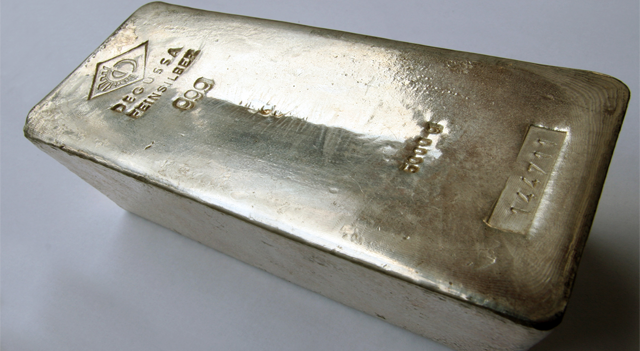
    Silver futures dropped 1.6% to $35.765 per ounce. Copper also declined, with London Metal Exchange copper futures down 0.3% to $9,602.05 per ton, and U.S. copper futures slipping 0.9% to $4.7650 per pound.

    Platinum prices retreated 1.5% to $1,282.75 per ounce, pulling back from the recent four-year peak reached in the previous session. Despite this, platinum is on track for its third consecutive week of gains, up 5.8% amid strong demand and tightening supply fundamentals highlighted in a recent industry report. The report spurred a speculative rally, although some analysts remain cautious about the sustainability of the price surge.

  • Oil Prices Drop as Trump Delays Decision on Iran Strike

    Oil Prices Drop as Trump Delays Decision on Iran Strike

    Oil prices dipped sharply during Asian trading on Friday, reversing some of their recent gains after the White House announced that President Donald Trump will take two more weeks to decide on whether to intervene in the escalating Iran-Israel conflict.

    Despite this pullback, crude remains on track for a third consecutive week of gains, as ongoing tensions in the Middle East continue to raise concerns over potential disruptions to global oil supply. Market sentiment has been supported by data revealing a significant drawdown in U.S. crude inventories, signaling tighter fuel supplies in the world’s largest consumer.

    By 21:20 ET (01:20 GMT), Brent crude futures for August delivery fell 1.9% to $77.33 per barrel. Meanwhile, West Texas Intermediate (WTI) futures, which did not trade Thursday due to a U.S. holiday, climbed 0.8% to $74.07 a barrel.

    Trump to Decide on Military Action Within Two Weeks

    The White House clarified that President Trump will make a final call on potential military action against Iran within the next two weeks. The announcement eased fears of an imminent U.S. strike, especially following reports of preparations for such a move.

    A U.S. military intervention would mark a major escalation, with Iran warning strongly against any attack. Nuclear negotiations between Washington and Tehran collapsed last week after Israeli airstrikes targeted Iran’s nuclear sites, with the conflict now entering its eighth day.

    Attention remains on the possibility of further Israeli strikes on Iran’s nuclear facilities, particularly the Fordow enrichment plant, Iran’s largest.

    Oil Markets Eye Third Straight Week of Gains

    Brent and WTI futures were set to finish the week with gains between 3.5% and 4%, marking a third consecutive week of rising prices. Last week alone saw crude surge nearly 12%, primarily following Israel’s strikes on Iran.

    The market remains concerned about potential supply disruptions from Iran, OPEC’s third-largest oil producer. Additionally, further U.S. sanctions on Iranian oil exports are seen as a risk amid the conflict.

    Beyond geopolitical tensions, the recent drop of over 10 million barrels in U.S. crude inventories has further supported prices. With summer travel demand picking up, expectations for increased fuel consumption in the world’s top oil user are also boosting market sentiment.

  • Apple Explores Indian Manufacturers for iPhone Production Equipment, Report Says

    Apple Explores Indian Manufacturers for iPhone Production Equipment, Report Says

    Apple Inc. (NASDAQ:AAPL) is reportedly engaging with Indian companies to locally produce the manufacturing equipment needed for assembling its flagship iPhone devices in India, according to a report by Business Standard. This move is part of Apple’s broader strategy to expand its production footprint in India.

    The California-based tech giant aims to source manufacturing tools domestically and supply them to its Indian contract manufacturers, a development confirmed by a senior official from India’s Ministry of Electronics and Information Technology. Apple has previously announced ambitious plans to scale up iPhone production in India, partly in response to escalating U.S. tariffs on Chinese-made products.

    While Apple continues to maintain manufacturing operations in China, it has expressed intentions to eventually produce all iPhones sold in the U.S. market through its Indian facilities. The effort to procure production equipment locally also reflects Apple’s strategic shift away from reliance on China, which has traditionally dominated the supply of capital equipment for iPhone manufacturing.

    India’s role as an iPhone production hub has grown steadily, with major manufacturers such as Foxconn, Pegatron, and Tata Electronics significantly increasing output over recent years. Foxconn, Apple’s largest supplier, plans to invest $1.5 billion in a new components factory in Tamil Nadu, underscoring the country’s rising importance in Apple’s supply chain.

  • Central Asia Metals Increases Bid to Acquire New World Resources

    Central Asia Metals Increases Bid to Acquire New World Resources

    Central Asia Metals PLC (LSE:CAML) has updated its offer to acquire New World Resources Limited, raising the bid to A$0.053 per share and valuing NWR at around A$197 million. Alongside this improved proposal, CAML has included an off-market takeover offer and a conditional A$10 million placement to back the advancement of NWR’s Antler Project, which is progressing ahead of schedule.

    The board of New World Resources has recommended that shareholders accept the revised offer, which aligns with Central Asia Metals’ broader strategy to expand its asset base and boost production capacity.

    CAML’s outlook remains positive, supported by strong financial results and attractive valuation metrics. While technical indicators show room for further growth, some caution is advised due to momentum signals approaching overbought levels.

    About Central Asia Metals

    Central Asia Metals PLC specializes in the base metals industry, focusing on acquiring and developing metal assets that increase production and enhance cash flow. The company pursues strategic investments aimed at sustaining long-term growth and strengthening its market position.