Author: Fiona Craig

  • FTSE 100 edges higher as Shell and Imperial Brands climb; B&M plunges on weak outlook

    FTSE 100 edges higher as Shell and Imperial Brands climb; B&M plunges on weak outlook

    UK equities traded slightly higher on Tuesday, supported by gains in Shell and Imperial Brands, while B&M European Value Retail tumbled after posting disappointing results and cutting its earnings guidance.

    By 13:22 GMT, the FTSE 100 was up 0.2%, while the British pound slipped 0.5% against the dollar, hovering just above $1.34. On the continent, the DAX in Germany and CAC 40 in France each advanced 0.2%.

    Supermarket stocks weighed on the index after Asda announced a broad round of price cuts. Tesco (LSE:TSCO) shares dropped 0.6% and J Sainsbury (LSE:SBRY) declined 1% following the news. Asda said it had reduced prices by an average of 6% across groceries, household items, and non-food categories, with some goods seeing cuts of over 30%.

    Shell (LSE:SHEL) rose after releasing its third-quarter trading update, which showed stronger performance across several business units. The company reported improved liquefaction volumes, higher trading activity, and better refining margins. Analysts at Jefferies described the report as “overall a positive update”, suggesting potential 5–10% upside to consensus earnings of $4.57 billion. The improvement was largely attributed to Shell’s integrated gas and products segments, which both benefited from favorable market conditions.

    Imperial Brands (LSE:IMB) also advanced after reaffirming that it remains on track to meet its FY25 guidance. The tobacco maker expects low single-digit growth in net revenues from both its traditional tobacco products and next-generation products (NGP), supported by strong pricing and double-digit NGP expansion. The group anticipates high single-digit EPS growth at constant currency, driven by profit gains and ongoing share buybacks.

    In contrast, B&M (LSE:BME) shares plummeted more than 15% after the discount retailer reported a drop in first-half profit, trimmed its full-year earnings outlook, and unveiled a turnaround strategy to stabilize UK operations. Revenue for the first half of fiscal 2026 rose 4% year-over-year to £2.75 billion, but profitability fell short of expectations.

    CVS Group (LSE:CVSG) surged over 10% after the veterinary services provider posted FY25 adjusted EBITDA of £134.6 million, slightly ahead of forecasts. Like-for-like sales rose 0.2%, below the company’s 4%–8% target, while adjusted EPS declined 3.8% to 80.1p due to higher costs.

    In the automotive sector, Jaguar Land Rover (JLR) said it will resume production on Wednesday after a cyber incident that disrupted operations since early September. The phased restart will begin at its Electric Propulsion Manufacturing Centre and Battery Assembly Centre in the West Midlands, with employees returning to stamping operations and vehicle production at Castle Bromwich, Halewood, and Solihull.

    Meanwhile, in the housing market, UK home prices slipped 0.3% in September to an average of £298,184 ($401,010), according to Halifax. It marked the first monthly decline since May, suggesting that concerns over potential tax increases may be starting to weigh on buyer demand.

    This content is for informational purposes only and does not constitute financial, investment, or other professional advice. It should not be considered a recommendation to buy or sell any securities or financial instruments. All investments involve risk, including the potential loss of principal. Past performance is not indicative of future results. You should conduct your own research and consult with a qualified financial advisor before making any investment decisions.

  • Dow Jones, S&P, Nasdaq, Wall Street, U.S. Futures Signal Flat Start as Traders Weigh Washington Gridlock and Fed Remarks

    Dow Jones, S&P, Nasdaq, Wall Street, U.S. Futures Signal Flat Start as Traders Weigh Washington Gridlock and Fed Remarks

    U.S. stock index futures were little changed early Tuesday, suggesting a muted open on Wall Street as investors digested the latest political and market developments following Monday’s gains.

    Traders appeared hesitant to take bold positions while monitoring the ongoing budget impasse in Washington, where lawmakers once again failed to approve a temporary spending bill overnight.

    Although markets have so far brushed off the effects of the government shutdown, the absence of key U.S. economic data releases could keep some investors on the sidelines this week.

    Attention is also turning to comments from Federal Reserve officials, as market participants look for clues about the future path of interest rates following recent policy signals.

    On Monday, the major U.S. indices mostly advanced, extending last week’s momentum. The Nasdaq Composite jumped 161.81 points, or 0.7%, to 22,941.67, while the S&P 500 gained 24.49 points, or 0.4%, to 6,740.28. The Dow Jones Industrial Average, however, slipped 63.31 points, or 0.1%, to 46,694.97.

    Gains were led by semiconductor stocks, with the Philadelphia Semiconductor Index climbing 2.9% to a record close. Advanced Micro Devices (NASDAQ:AMD) surged 23.7% after announcing a 6-gigawatt deal to power OpenAI’s next-generation AI infrastructure using its Instinct GPU lineup.

    As part of the partnership, AMD granted OpenAI a warrant for up to 160 million shares of AMD stock, structured to vest once specific milestones are achieved.

    Meanwhile, gold miners rallied, tracking a sharp increase in gold prices, as the NYSE Arca Gold Bugs Index rose 1.9%. Software stocks also posted notable gains, while housing and commercial real estate shares moved lower.

    Despite the political uncertainty, market sentiment remained resilient, with most traders continuing to discount the potential economic fallout from the ongoing shutdown.

    This content is for informational purposes only and does not constitute financial, investment, or other professional advice. It should not be considered a recommendation to buy or sell any securities or financial instruments. All investments involve risk, including the potential loss of principal. Past performance is not indicative of future results. You should conduct your own research and consult with a qualified financial advisor before making any investment decisions.

  • DAX, CAC, FTSE100, European Stocks Edge Lower as French Political Turmoil and Weak German Factory Orders Weigh on Sentiment

    DAX, CAC, FTSE100, European Stocks Edge Lower as French Political Turmoil and Weak German Factory Orders Weigh on Sentiment

    European equity markets traded slightly weaker on Tuesday, pressured by mounting political uncertainty in France and disappointing factory order data from Germany.

    The latest government reshuffle in France sent ripples through European bond markets, pushing the German 10-year bund yield—the eurozone’s key benchmark—up 1.4 basis points to 2.73%.

    Fresh data from Destatis showed that German factory orders dropped 0.8% in August, following a 2.7% decline in July, defying expectations for a 1.2% rebound. Excluding major bulk orders, new orders were down 3.3% month-over-month, underscoring persistent weakness in Europe’s largest industrial economy.

    By mid-morning, the DAX Index in Germany was up 0.2%, while France’s CAC 40 and the UK’s FTSE 100 both gained 0.3%, signaling limited momentum across the region.

    Sector-wise, healthcare stocks underperformed, with Germany’s Bayer (TG:BAYN) plunging 4% and Denmark’s Novo Nordisk (NYSE:NVO) sliding 2%.

    In contrast, energy shares provided some support. Shell (LSE:SHEL) climbed nearly 2% in London after issuing an upbeat third-quarter 2025 outlook, while Imperial Brands (LSE:IMB) advanced 3% following the announcement of a £1.45 billion ($1.95 billion) share buyback.

    Among other notable movers, Skanska (USOTC:SKBSY) jumped 4.5% and wind turbine maker Nordex (BIT:1NDX) rose 1% after securing new contract wins.

    Meanwhile, Great Portland Estates (LSE:GPE) slipped 1% despite reporting strong leasing activity during the first half of its fiscal year, and discount retailer B&M European Value Retail (LSE:BME) dropped 10% following a profit warning.

    This content is for informational purposes only and does not constitute financial, investment, or other professional advice. It should not be considered a recommendation to buy or sell any securities or financial instruments. All investments involve risk, including the potential loss of principal. Past performance is not indicative of future results. You should conduct your own research and consult with a qualified financial advisor before making any investment decisions.

  • Wizz Air Sets 2027 Goal to Fully Resolve Engine-Related Groundings

    Wizz Air Sets 2027 Goal to Fully Resolve Engine-Related Groundings

    Wizz Air (LSE:WIZZ) plans to have its entire Airbus (EU:AIR) fleet back in service by the end of 2027, as the airline continues to grapple with ongoing engine-related groundings, according to Chief Financial Officer Ian Malin, who spoke on Tuesday.

    During the International Society of Transport Aircraft Trading (ISTAT) conference in Prague, Malin said that 38 aircraft remain grounded due to lengthy inspection delays, down from a peak of nearly 60. This marks a modest improvement compared with the 41 aircraft grounded at midyear as a result of Pratt & Whitney (NYSE:RTX) GTF engine inspections.

    “Overall, the plan right now is to get the entire fleet unparked by the end of calendar year 2027. That is the target that we’re working towards,” Malin stated at the conference.

    The CFO cautioned, however, that achieving this goal will not be easy, saying: “That will be challenging, especially when we’re sitting here with 38 aircraft on the ground.”

    Malin also noted that supply chain bottlenecks at Pratt & Whitney persist, with no visible improvement yet, continuing to hinder the airline’s efforts to return grounded jets to operation.

    This content is for informational purposes only and does not constitute financial, investment, or other professional advice. It should not be considered a recommendation to buy or sell any securities or financial instruments. All investments involve risk, including the potential loss of principal. Past performance is not indicative of future results. You should conduct your own research and consult with a qualified financial advisor before making any investment decisions.

  • France Cuts 2025 Wine Production Forecast After August Heatwave

    France Cuts 2025 Wine Production Forecast After August Heatwave

    France has lowered its 2025 wine production estimate to 36.0 million hectolitres, down from the 37.4 million hectolitres forecast a month earlier, the French Agriculture Ministry said on Tuesday.

    The revised outlook marks a 1% decline compared to last year’s harvest and is 16% below the five-year average, reflecting the continued challenges facing the country’s vineyards.

    Officials attributed the downgrade primarily to the severe heatwave that struck in August, which affected grape yields and quality in several key wine-producing regions. The new estimate is based on updated harvest data collected nationwide, incorporating the latest reports from growers and regional cooperatives.

    This content is for informational purposes only and does not constitute financial, investment, or other professional advice. It should not be considered a recommendation to buy or sell any securities or financial instruments. All investments involve risk, including the potential loss of principal. Past performance is not indicative of future results. You should conduct your own research and consult with a qualified financial advisor before making any investment decisions.

  • Renault Group Anticipates Strong Q3 Retail Sales Growth Driven by Dacia and New Model Momentum

    Renault Group Anticipates Strong Q3 Retail Sales Growth Driven by Dacia and New Model Momentum

    Renault Group (EU:RNO) expects its third-quarter retail sales to rise by a high single-digit percentage year-on-year, with September performance matching July–August growth of 9%, according to Investor Relations head Florent Chaix, speaking during a preview call ahead of the company’s October 23 revenue announcement.

    The Dacia brand continues to outperform, supported by robust demand for the Bigster, which has accumulated 50,000 orders and now ranks as the second-best-selling C-segment SUV in Europe. Over 80% of Bigster orders are for high-trim versions, and more than half are hybrid models. Meanwhile, the Renault 5 remains the leader in the B-segment EV market, while production of the Renault 4 is set to ramp up in the fourth quarter.

    Geographically, Germany, Spain, and the UK are leading growth in passenger car sales, while Italy remains weaker. Dacia continues to outperform across the EU, with additional momentum in Turkey, Romania, and Argentina.

    Despite these solid retail trends, a greater destocking of independent dealers compared with Q3 2024 (down 72,000 units) will temporarily weigh on volume figures. However, Renault still expects positive volume contributions in both Q3 and Q4, supported by healthy inventories and a year-over-year increase in orders.

    The company projects a foreign exchange headwind of over 1% for Q3 — a greater impact than in the first half of the year. The product mix remains favorable but less pronounced, while the geographic mix is slightly positive. The European market remains competitive, resulting in modestly negative pricing.

    Sales to partners continue to perform well, and the “Other” segment should remain slightly positive, albeit well below last year’s 5-point contribution. Financial services are maintaining strong double-digit growth, in line with the first half, and mobility services have more than doubled.

    Looking ahead, Renault anticipates a robust fourth quarter, underpinned by its strong order book and new model launches, with no plans to pursue discount-driven sales. The company has moderated some Q3 production, while keeping high utilization rates. Renault reaffirmed its operating margin target of 6.5% and expects positive working capital in H2, although it remains negative for the full year.

    This content is for informational purposes only and does not constitute financial, investment, or other professional advice. It should not be considered a recommendation to buy or sell any securities or financial instruments. All investments involve risk, including the potential loss of principal. Past performance is not indicative of future results. You should conduct your own research and consult with a qualified financial advisor before making any investment decisions.

  • Ocado Shares Fall as Morgan Stanley Cuts Price Target on Kroger Partnership Concerns

    Ocado Shares Fall as Morgan Stanley Cuts Price Target on Kroger Partnership Concerns

     Shares of Ocado Group Plc (LSE:OCDO) dropped on Tuesday after Morgan Stanley lowered its price target by 19% to 170p from 210p, while maintaining an “underweight” rating on the stock. The investment bank warned of “increased execution risk” in the company’s automated warehouse operations, citing rising uncertainty around its U.S. partnership with Kroger (NYSE:KR).

    In a bearish note, the brokerage said that recent developments suggest Kroger “is pivoting toward the use of food delivery aggregators, namely Instacart, to service demand in a more asset-light fashion, focusing on sub-one-hour delivery.” The shift could reduce Kroger’s reliance on Ocado’s large-scale customer fulfilment centres (CFCs).

    Morgan Stanley now expects two CFC closures in fiscal 2026, potentially in Florida and Maryland, and forecasts that the remaining facilities will have shorter operating lives of about 15 years, compared with 30 years in previous assumptions. As a result, the bank cut the number of CFCs in Ocado’s valuation model from 36 to 30, assigning each a net present value of £54 million.

    The report estimates that Ocado could receive £17 million in exit fees per closed CFC, or roughly £34 million in additional revenue in 2026. However, it projects a 5% decline in total group revenue in 2027, along with an 8% year-on-year fall in adjusted EBITDA.

    Morgan Stanley forecasts group revenue to reach £1.34 billion in 2025, rising to £1.45 billion in 2026, and £1.51 billion in 2027. Adjusted EBITDA is expected to grow from £177 million in 2025 to £253 million in 2026, before easing to £280 million the following year. Meanwhile, net debt is projected to widen from £1.43 billion in 2024 to £1.63 billion in 2025.

    The bank also anticipates that Ocado will remain free cash flow negative until 2029, lagging behind the company’s own projection of breaking even in the second half of 2026.

    Morgan Stanley added that “the value and payback period of each CFC for Ocado and its customers remains unclear,” and that “we see increased execution risk on the CFC pipeline over the long term.”

    In its risk-reward analysis, the bank set a bull case of 610p per share, assuming faster contract wins and stronger profitability, and a bear case of 100p, reflecting the absence of new deals and possible client exits. The base case valuation of 170p implies an enterprise value of £2.47 billion, including £1.62 billion attributed to Ocado’s Solutions division, £370 million to logistics, and £391 million to its retail joint venture with Marks & Spencer.

    Ocado shares closed at 232p on October 3, within a 52-week range of 411p to 217p, giving the company a market capitalization of £1.9 billion.

    The downgrade follows previous Morgan Stanley assessments that described Ocado’s business model as “still unproven”, citing limited visibility into long-term profitability.

    This content is for informational purposes only and does not constitute financial, investment, or other professional advice. It should not be considered a recommendation to buy or sell any securities or financial instruments. All investments involve risk, including the potential loss of principal. Past performance is not indicative of future results. You should conduct your own research and consult with a qualified financial advisor before making any investment decisions.

  • Euro Softens as French Political Turmoil Deepens; Yen Slides to Two-Month Low

    Euro Softens as French Political Turmoil Deepens; Yen Slides to Two-Month Low

    The euro edged lower against the U.S. dollar on Tuesday as markets digested the escalating political crisis in France, while the yen dropped to a two-month low amid speculation over who will join Sanae Takaichi’s cabinet following her recent election as leader of Japan’s ruling party.

    In France, two days of urgent negotiations between outgoing Prime Minister Sébastien Lecornu and representatives of various political factions were set to begin Tuesday. However, it remained unclear what role Lecornu—who unexpectedly resigned on Monday—will play in the discussions.

    The political upheaval has left France, one of Europe’s biggest economies, facing renewed instability. Lecornu’s government, which was formed only in September under President Emmanuel Macron, collapsed after both allies and opponents rejected his cabinet picks on Sunday evening, making it the shortest-lived administration in modern French history.

    By 04:49 ET (08:49 GMT), the euro was down 0.4% at $1.1668, as traders also looked to comments from European Central Bank officials keeping open the door to possible future rate cuts.

    Attention is also turning to Federal Reserve policymakers, though analysts say the extended U.S. government shutdown has delayed key data releases, leaving little room for a change in interest rate expectations. The Fed is widely expected to cut rates by 25 basis points later this month after already lowering them in September, according to the CME FedWatch Tool.

    The U.S. Dollar Index, which tracks the greenback against a basket of major currencies, rose 0.3% after modest gains on Monday. Analysts at ING said the release of the Fed’s September meeting minutes, due on Wednesday, could have “the greatest market impact potential” this week.

    Yen weakens further as Takaichi victory shifts outlook

    The Japanese yen extended losses against the dollar, with USD/JPY climbing 0.3% to 150.81. The pair had already surged nearly 2% on Monday, following Takaichi’s victory in the Liberal Democratic Party leadership race, which clears the way for her to become Japan’s next prime minister.

    Known for advocating aggressive fiscal stimulus, Takaichi has previously criticized the Bank of Japan’s rate hikes as “stupid” and expressed support for looser monetary policy.

    Following her win, investors quickly scaled back expectations for additional tightening from the central bank.

    “Her election was somewhat of a surprise, and the yen’s 2% drop versus USD is a testament to that,” analysts at ING wrote in a note.

    However, they added that they see limited upside for USD/JPY, arguing that a weaker yen could exacerbate inflationary pressures and strain relations with Washington. The analysts expect a break above 150 to be temporary, rather than the beginning of a sustained rally.

    This content is for informational purposes only and does not constitute financial, investment, or other professional advice. It should not be considered a recommendation to buy or sell any securities or financial instruments. All investments involve risk, including the potential loss of principal. Past performance is not indicative of future results. You should conduct your own research and consult with a qualified financial advisor before making any investment decisions.

  • Markets are not afraid of the US government shutdown. Why?

    Markets are not afraid of the US government shutdown. Why?

    Once again, Democrats and Republicans failed to reach a funding agreement, and on October 1, the U.S. entered its fourth government shutdown under Donald Trump. Six days have passed, and negotiations are still at a standstill. Even so, the markets continue to behave as if nothing had happened. Why?

    First, although federal spending equals to nearly a quarter of gross domestic product, at 23% in 2024, only discretionary spending, such as national parks and museums run by the federal government, stops during a shutdown. Mandatory spending, such as Medicare, continues automatically under existing legislation.

    The direct impact is also relatively small in economic terms. Goldman Sachs estimated in 2023 that federal employee salaries, typically most affected during shutdowns, account for only about 2% of GDP. Also, about 65% of federal employees continue to report to work because their positions are considered essential.

    As of now, it is estimated that the economy could lose around $15 billion per week as a result. However, that is pocket change compared to a GDP of over $30 trillion. Hence, the stock market’s muted reaction: the initial drop in S&P 500 futures quickly recovered, as is usually the case during previous shutdowns.

    On the other hand, if the shutdown continues, it could begin to affect the labor market, but it could also push the Federal Reserve toward a more dovish stance. In fact, according to the CME FedWatch tool, the odds of another 25 basis point rate cut at the October meeting have already risen to 95%.

    Gold could also benefit from the partial shutdown of the US government. Historically, the dollar tends to weaken slightly after the start of a shutdown, and interruptions in the release of key economic data only increase uncertainty, an environment in which defensive assets such as gold tend to thrive.

    This content is for informational purposes only and does not constitute financial, investment, or other professional advice. It should not be considered a recommendation to buy or sell any securities or financial instruments. All investments involve risk, including the potential loss of principal. Past performance is not indicative of future results. You should conduct your own research and consult with a qualified financial advisor before making any investment decisions.

  • PRS REIT Reports Strong Annual Results with Higher Rental Income and Asset Growth

    PRS REIT Reports Strong Annual Results with Higher Rental Income and Asset Growth

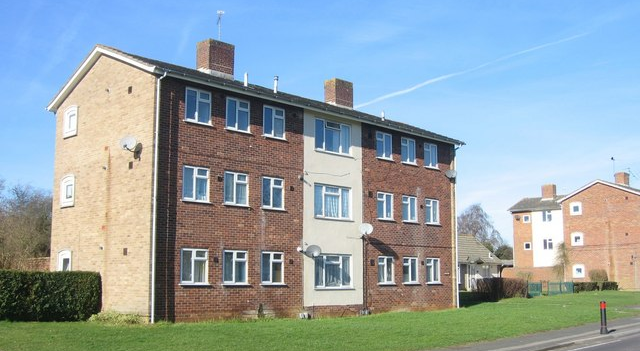
    PRS REIT (LSE:PRSR) announced a solid performance for the financial year ended June 30, 2025, with net rental income rising 13% to £53.3 million and net tangible asset value (NTA) increasing 7% to 143p per share.

    The company successfully completed its construction program, delivering the final 82 homes and bringing its total portfolio to 5,478 completed properties. The portfolio’s estimated annual rental value now stands at £72 million, marking the full transition from development to income generation.

    Adjusted EPRA earnings per share climbed 19% to 4.4p, narrowly exceeding the dividend payout of 4.3p, which equates to a 3.8% yield. PRS REIT also guided for a 2026 dividend of 4.5p per share, reflecting confidence in sustained income growth.

    Operational performance remained robust, with rent collection near 100%, occupancy at 96%, and like-for-like rental growth of around 9%. The gross-to-net ratio held steady at 20%, underscoring efficient property management.

    Financially, the group strengthened its balance sheet, reducing its loan-to-value ratio to 35%. The average borrowing cost stood at 3.8% over a 14-year term, comfortably below the average net investment yield of 4.66%, supporting a healthy interest coverage profile.

    As announced on September 17, 2025, PRS REIT has entered into non-binding heads of terms for the proposed sale of its portfolio to Waypoint Asset Management Limited. The expected net proceeds, after expenses and taxes, are estimated at £633.2 million.

    At the current share price of 112p, the stock trades at a 19% discount to its net tangible asset value, which totaled £785 million at the end of the fiscal year.

    This content is for informational purposes only and does not constitute financial, investment, or other professional advice. It should not be considered a recommendation to buy or sell any securities or financial instruments. All investments involve risk, including the potential loss of principal. Past performance is not indicative of future results. You should conduct your own research and consult with a qualified financial advisor before making any investment decisions.