Category: Top Story

  • European Markets Advance on Earnings Strength Despite Heightened Geopolitical Risks: DAX, CAC, FTSE100

    European Markets Advance on Earnings Strength Despite Heightened Geopolitical Risks: DAX, CAC, FTSE100

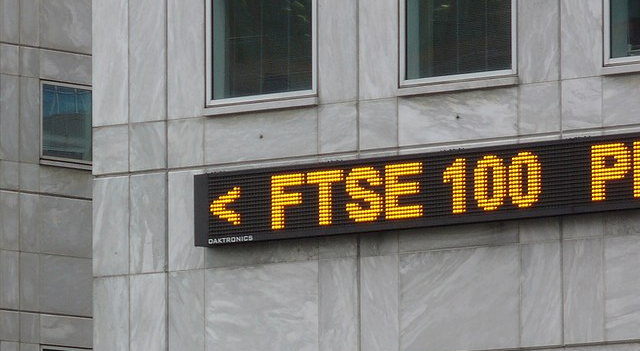
    European equities traded higher on Friday, supported by generally upbeat corporate earnings and resilient economic data, even as geopolitical risks remained firmly in focus. By 09:30 GMT, Germany’s DAX was up around 1%, France’s CAC 40 had added 0.5% and London’s FTSE 100 was 0.2% higher.

    Eurozone economy shows tentative improvement

    Economic data pointed to a gradual recovery across parts of the euro area. France’s economy expanded modestly in the fourth quarter of 2025, easing from the strong rebound seen over the summer but still delivering a better-than-expected performance for the year as a whole. Quarterly GDP growth slowed to 0.2% from 0.5% in the third quarter, while full-year growth reached 0.9%, exceeding the 0.7% assumption used in government budget forecasts.

    In Germany, labour market data highlighted ongoing weakness, with unemployment unchanged in January. On a seasonally adjusted basis, the number of people out of work held steady at 2.976 million, leaving the jobless rate unchanged at 6.3%. Against this backdrop, the European Central Bank is widely expected to leave interest rates unchanged at its meeting next week, with inflation close to target and signs of stabilisation emerging in the broader regional economy.

    Focus turns to geopolitics and the Federal Reserve

    Geopolitical tensions continued to weigh on sentiment. Reports suggested the White House is considering further military action against Iran as additional naval forces move into the region. Separately, U.S. President Donald Trump signed an executive order declaring a national emergency and outlining a framework for potential tariffs on goods from countries that trade oil with Cuba.

    Trump also said late on Thursday that he would announce his nominee for the next Chair of the Federal Reserve later in the session. Media speculation has centred on former Fed Governor Kevin Warsh as the leading candidate.

    Corporate highlights: Adidas, Swatch and Caixabank

    On the corporate front, Adidas (BIT:1ADS) drew attention after reporting record sales for 2025 and announcing a €1bn share buyback programme. Swatch (TG:UHR) said sales rose 4.7% at constant exchange rates in the second half of last year, although the Swiss watch group also reported a sharp decline in full-year profit.

    In the banking sector, CaixaBank (TG:A2RZTQ) posted net profit of €5.89bn for 2025, up 1.8%, delivering a 17.5% return on tangible equity. The bank also cut its non-performing loan ratio to a record low of 2.1% and raised its dividend by 15%.

    In the United States, Apple (NASDAQ:AAPL) comfortably beat profit and revenue expectations for its fiscal first quarter, benefiting from its strongest quarterly iPhone sales growth in more than four years.

    Oil and gold retreat from recent peaks

    Commodity markets pulled back from recent highs. Oil prices eased on Friday, although both benchmarks remained on track for strong weekly gains amid concerns that a potential U.S. strike on Iran could disrupt supplies. Brent crude slipped 0.8% to $69.03 a barrel, while U.S. West Texas Intermediate fell 0.8% to $64.87. Despite the daily decline, both contracts were heading for weekly gains of around 5% and their first monthly rise in six months, with Brent up more than 16% in January and WTI set to gain over 14%.

    Gold prices also dropped sharply, retreating from record levels after news that President Trump is expected to announce his choice for the next Fed Chair later in the day. Kevin Warsh, now seen as the frontrunner, is viewed as less dovish than other candidates, prompting a rebound in the U.S. dollar and pressuring dollar-denominated commodities. Spot gold fell 5.4% to $5,061.59 an ounce, while April gold futures slid 6.4% to $5,024.68. Even so, gold prices remain up more than 20% so far in January, on track for a sixth consecutive monthly gain and their strongest monthly rise since 1982.

  • Union Jack Oil Delivers Stable UK Production and Expands U.S. Portfolio While Driving Cost Discipline

    Union Jack Oil Delivers Stable UK Production and Expands U.S. Portfolio While Driving Cost Discipline

    Union Jack Oil (LSE:UJO) reported steady operational performance across its UK and US assets, underpinned by consistent output from its flagship Wressle oilfield in Lincolnshire. Wressle continues to rank among the UK’s most productive conventional onshore fields, with average production of around 267 barrels of oil per day in January and meaningful remaining 2P reserves. Elsewhere in the UK, the company highlighted renewed activity at the Keddington oilfield and ongoing progress at the West Newton gas project, where contingent resources and additional prospective targets support longer-term growth potential, subject to securing the necessary regulatory approvals.

    In the United States, Union Jack’s Oklahoma operations, partnered with Reach Oil and Gas, remained cash-flow positive despite a softer oil price environment. Production from the Moccasin and Andrews wells has continued to perform, while near-term catalysts include drilling at the high-impact Crossroads prospect and a planned stimulation programme at the Taylor 1-16 well. The group is also expanding its mineral royalty portfolio, adding diversified, lower-risk exposure to US production. Management said a sharpened focus on cost control and operational efficiency is central to improving corporate cash flow and positioning the business to benefit from future changes in energy policy and commodity markets on both sides of the Atlantic.

    From an investment perspective, Union Jack’s outlook is supported by a very strong balance sheet, with no debt, and a track record of profitability since 2022. These strengths are partly offset by a sharp compression in profitability during 2024 and volatile, at times negative, free cash flow. Market indicators point to some short-term share price strength, although momentum appears overbought and the longer-term trend remains less convincing. Valuation support is limited by a negative price-to-earnings ratio and the absence of a dividend yield.

    More about Union Jack Oil

    Union Jack Oil is an onshore oil and gas company focused on production, development, exploration and investment opportunities in the UK and the United States. Listed on AIM and the OTCQB, the company holds interests in a portfolio of conventional oilfields, gas developments and mineral royalty assets, with a particular emphasis on projects in England’s Humber Basin and cash-generative ventures and royalties across US basins including Oklahoma, the Permian, Bakken and Eagle Ford.

  • AstraZeneca Agrees $1.2bn Partnership With CSPC to Expand Obesity Pipeline

    AstraZeneca Agrees $1.2bn Partnership With CSPC to Expand Obesity Pipeline

    AstraZeneca (LSE:AZN) has signed a strategic collaboration with China-based CSPC Pharmaceuticals aimed at strengthening its position in the rapidly expanding obesity and metabolic disease market. Under the deal, AstraZeneca will obtain exclusive rights outside China to CSPC’s once-monthly injectable therapies for obesity and type 2 diabetes, including a long-acting GLP-1R/GIPR dual agonist that is ready to enter Phase I trials, alongside three additional preclinical candidates. The agreement also provides access to CSPC’s AI-enabled peptide discovery platform and its proprietary LiquidGel technology, which is designed to support sustained, once-monthly dosing.

    The transaction includes an upfront payment of $1.2bn, with the potential for up to $3.5bn in further development and regulatory milestone payments, as well as additional commercial milestones. AstraZeneca believes the collaboration will meaningfully enhance its next-generation weight management portfolio by complementing existing pipeline assets and addressing patient adherence through longer-acting, simplified treatment regimens. Management highlighted obesity as a key strategic growth area, given the scale of unmet medical need and increasing global demand for effective, durable therapies.

    From an investment perspective, AstraZeneca’s outlook continues to be supported by strong financial performance and constructive earnings momentum, alongside steady progress in expanding and diversifying its product pipeline. While valuation remains elevated and technical indicators are only moderately supportive, the CSPC agreement reinforces the company’s long-term growth strategy in cardiovascular, renal and metabolic diseases and strengthens its competitive positioning in one of the pharmaceutical sector’s fastest-growing markets.

    More about AstraZeneca

    AstraZeneca is a global, science-led biopharmaceutical company headquartered in Cambridge, UK, focused on the discovery, development and commercialisation of prescription medicines. Its portfolio spans Oncology, Rare Diseases and BioPharmaceuticals, including cardiovascular, renal and metabolism and respiratory and immunology, with medicines sold in more than 125 countries and used by millions of patients worldwide.

  • Thor Energy Steps Up Natural Hydrogen Strategy as Asset Sales Strengthen Balance Sheet

    Thor Energy Steps Up Natural Hydrogen Strategy as Asset Sales Strengthen Balance Sheet

    Thor Energy (LSE:THR) reported a strong close to 2025, pointing to solid operational progress at its flagship HY-Range natural hydrogen and helium project in South Australia alongside a materially reshaped portfolio aligned with clean energy priorities. During the quarter, the company advanced Phase 2 of its geochemical monitoring programme at HY-Range, aimed at demonstrating the presence of a consistent hydrogen system and supporting a bespoke 2D seismic survey planned for mid-2026 ahead of drilling. Thor noted that its co-located gas storage licences could also benefit from the same subsurface data, potentially enhancing the overall value of the project area.

    At the portfolio level, Thor continued to strengthen its funding position through the monetisation of non-core assets. The company divested 75% of its US uranium portfolio via a revenue-sharing arrangement with DISA Technologies and completed the sale of the Molyhil Tungsten Project to Tivan for A$6.56m, delivering non-dilutive capital to fund exploration. At the same time, Thor retained upside exposure to South Australian copper-gold and rare earth assets, holding an 80% interest in Alford East and a 20% stake in EnviroCopper. EnviroCopper recently secured a A$3.5m investment from a major energy company to advance the Alford West and Kapunda projects, indirectly supporting Thor’s retained interests. The group ended the quarter with US$1.66m in cash, subsequently boosted by a A$2.25m completion payment from Tivan, leaving it well-capitalised to pursue its hydrogen, helium and critical metals strategy.

    Despite the strategic momentum, the investment outlook remains constrained by weak financial fundamentals, including the absence of revenue, widening losses and ongoing operating cash outflows. While the share price is trading above key moving averages, providing some technical support, mixed momentum indicators and valuation metrics of limited relevance for a loss-making explorer keep the overall assessment below average.

    More about Thor Energy PLC

    Thor Energy PLC is a dual-listed exploration company focused on clean energy and strategic metals, with a growing emphasis on natural hydrogen and helium opportunities in South Australia. Following a period of portfolio rationalisation, the group has moved away from non-core uranium and tungsten assets, while retaining leveraged exposure to South Australian copper, gold and rare earth projects through direct holdings and a strategic stake in EnviroCopper Limited.

  • Drax Adds 250MW Battery Storage Through Capital-Light West Burton Tolling Deal

    Drax Adds 250MW Battery Storage Through Capital-Light West Burton Tolling Deal

    Drax Group (LSE:DRX) has entered into its first tolling agreement covering 250MW (500MWh) of battery energy storage capacity at Fidra Energy’s West Burton C project in England, further scaling up its FlexGen platform. Under the 10-year, capital-light structure, Drax will take full operational control and dispatch rights over the battery asset, while Fidra remains responsible for construction and ongoing maintenance. The group expects the arrangement to deliver returns comfortably above its weighted average cost of capital, strengthening the economics of its growing flexible generation portfolio. The agreement is subject to Fidra reaching a final investment decision by the third quarter of 2026, with commercial operations targeted for the second half of 2029.

    The transaction builds on Drax’s recent expansion moves, including the acquisition of Flexitricity and the purchase of three battery storage development projects, and further reinforces its exposure to fast-response, low-carbon power solutions. Strategically, the deal aligns with UK priorities around energy security and decarbonisation while enhancing Drax’s position in the rapidly expanding BESS market. From a broader perspective, the group benefits from strong cash generation, solid profitability, supportive technical signals and an attractive valuation, alongside shareholder-friendly actions such as buybacks and government-backed agreements. These positives are partially offset by ongoing challenges in driving revenue growth and managing market pressures within the pellet segment.

    More about Drax Group plc

    Drax Group plc is a UK-based energy company focused on flexible power generation and decarbonisation, with an expanding footprint in battery energy storage systems and asset optimisation. Through its FlexGen business, the group is developing a gigawatt-scale pipeline of short-duration, rapid-response storage assets and services designed to support UK energy security and the transition to a lower-carbon electricity system.

  • European Shares Advance as Earnings Optimism Lifts Sentiment: DAX, CAC, FTSE100

    European Shares Advance as Earnings Optimism Lifts Sentiment: DAX, CAC, FTSE100

    European equities traded mostly higher on Thursday, with a wave of stronger-than-expected corporate results helping to counter lingering worries around a weaker dollar and rising geopolitical tensions between the U.S. and Iran.

    Markets were also digesting the Federal Reserve’s decision to keep interest rates unchanged, alongside a batch of U.S. technology earnings released after Wednesday’s close.

    Eurozone government bond yields were little changed, as investors weighed concerns that euro strength could eventually pressure the European Central Bank toward rate cuts.

    The pan-European Stoxx 600 index rose 0.7%, rebounding from a 0.8% decline the previous session. The UK’s FTSE 100 climbed 0.9% and France’s CAC 40 gained 0.8%, while Germany’s DAX underperformed, sliding 1.0%.

    In London, EasyJet (LSE:EZJ) jumped sharply after reaffirming its full-year guidance. Antofagasta (LSE:ANTO) also rallied, even after reporting a relatively modest 1.6% decline in copper output for 2025.

    Banking stocks saw selective strength, with ING Groep (LSE:ING) advancing after the lender lifted its FY27 outlook, supported by a 22% jump in fourth-quarter net profit and a 7.2% increase in revenue.

    In the technology space, STMicroelectronics (NYSE:STM) surged after guiding first-quarter revenue slightly above market expectations. Remy Cointreau (EU:RCO) also climbed, as third-quarter organic sales growth came in ahead of consensus.

    Industrial names added to gains, with ABB (BIT:1ABB) rising after closing the year with stronger orders and record quarterly revenue.

    Not all stocks participated in the rally. Hennes & Mauritz (BIT:1HMB) fell after warning of sluggish winter sales. Deutsche Bank (TG:DBK) also moved lower despite delivering its highest annual profit since 2007.

    Meanwhile, SAP (TG:SAP) slumped after missing fourth-quarter earnings expectations, and Nokia (NYSE:NOK) dropped after issuing a slightly weaker-than-expected outlook for 2026.

    Overall, upbeat earnings provided support for European markets, even as macroeconomic and geopolitical uncertainties continued to shape investor positioning.

  • European Equities Mixed After Fed Hold as Earnings Season Intensifies: DAX, CAC, FTSE100

    European Equities Mixed After Fed Hold as Earnings Season Intensifies: DAX, CAC, FTSE100

    European stock markets traded without a clear direction on Thursday as investors absorbed a heavy flow of corporate earnings alongside the U.S. Federal Reserve’s decision to leave interest rates unchanged.

    By 08:10 GMT, Germany’s DAX was down 0.7%, while France’s CAC 40 advanced 0.9% and the UK’s FTSE 100 gained 0.6%.

    Fed pauses again

    The U.S. Federal Reserve kept its benchmark interest rate unchanged at the end of its latest policy meeting on Wednesday, extending a pause after a run of rate cuts late last year. Fed Chair Jerome Powell said policymakers needed more evidence that inflation was moving sustainably toward the 2% target before easing policy further, while stressing that economic growth remained resilient.

    ““Chair Powell’s decision to hold rates steady underscores a Federal Reserve that is increasingly cautious, internally divided, and intent on preserving credibility amid extraordinary political noise,” said David Millar, CIO at Catalyst Funds.

    Pricing from CME’s FedWatch tool indicates markets expect rates to remain on hold in the near term, but still anticipate two further cuts later this year. In Europe, attention later in the session turns to January eurozone consumer confidence and business sentiment data, which are expected to show some improvement.

    Earnings take centre stage

    Corporate results were firmly in focus as the reporting season gathered pace across Europe.

    Deutsche Bank (TG:DBK) posted a record pretax profit for the fourth quarter of 2025, driven by strength in its global investment banking activities, although the result was overshadowed by news of a police investigation linked to alleged money laundering.

    Nokia (BIT:1NOKIA) reported a sharp drop in fourth-quarter operating margin to 8.8% from 14.4% a year earlier, weighed down by €299m in restructuring charges and integration costs following its Infinera acquisition. The group also warned that first-quarter 2026 net sales would “decline somewhat more than normal seasonality.”

    Nordea Bank (BIT:1NDA) exceeded expectations at the net profit level for the fourth quarter, helped by stronger-than-anticipated net interest income and fee generation.

    ING Group (LSE:ING) reported a record profit for 2025 and said it plans to continue returning around half of its capital generation to shareholders, outlining an outlook that points to stable income and returns through 2027.

    ABB (BIT:1ABB) delivered a strong fourth quarter and issued upbeat guidance for early 2026, rounding off a record year marked by robust orders and margin expansion.

    Roche (TG:RHO) said net profit jumped 58% in 2025 and forecast further growth in sales and earnings in 2026, supported by demand for newer medicines that offset pressure from patent expiries, currency effects and pricing reforms in China.

    Sanofi (EU:SAN) said it expects sales to rise by a high single-digit percentage in 2026, underpinned by continued demand for its blockbuster asthma treatment Dupixent and newer drugs.

    STMicroelectronics (NYSE:STM) posted a quarterly loss and warned of a sequential decline in first-quarter revenue, citing restructuring costs and weaker automotive demand.

    Investors were also digesting major U.S. tech results. Meta Platforms (NASDAQ:META) shares jumped in after-hours trading after the company issued an upbeat revenue outlook tied to AI-driven advertising tools. Tesla (NASDAQ:TSLA) also beat expectations, offering support to growth stocks, while Microsoft (NASDAQ:MSFT) slipped as rising AI-related costs tempered sentiment.

    Oil rallies on Iran risk

    Oil prices surged on Thursday amid growing concern that the U.S. could carry out military action against Iran, potentially threatening supplies from the Middle East. Brent crude rose 1.3% to $68.26 a barrel, while U.S. West Texas Intermediate gained 1.5% to $64.18.

    Both benchmarks are up around 5% since Monday and are trading at their highest levels since late September. President Trump has stepped up pressure on Iran over its nuclear programme, with reports suggesting he is considering new military action as a U.S. naval group arrives in the region. Iran is the fourth-largest producer in OPEC, pumping about 3.2 million barrels per day.

    Oil markets have also been supported this week by supply disruptions in the U.S. caused by severe winter storms, with estimates indicating that at least 2 million barrels per day of production has been temporarily shut in.

  • Lloyds Banking Group Raises Capital Returns and Upgrades Outlook After Strong 2025

    Lloyds Banking Group Raises Capital Returns and Upgrades Outlook After Strong 2025

    Lloyds Banking Group plc (LSE:LLOY) reported a robust set of unaudited results for 2025, reflecting continued progress through the second phase of its five-year strategic plan and prompting higher shareholder distributions alongside upgraded guidance.

    Statutory profit before tax increased to £6.7bn from £6.0bn, supported by a 7% rise in net income to £18.3bn. Growth was driven by higher net interest income and other income streams, as well as disciplined cost management, although this was partly offset by higher operating expenses, increased impairments and remediation charges, including an £800m provision related to motor finance commission issues. Lending expanded by 5% to £481.1bn, while deposits grew 3% to £496.5bn, with credit quality remaining resilient and the asset quality ratio at 17 basis points.

    Capital generation remained strong during the year. On a pro forma basis, the CET1 ratio stood at 13.2% after accounting for a higher ordinary dividend and a planned £1.75bn share buyback, taking total capital returns for 2025 to around £3.9bn. Tangible net asset value per share increased to 57.0p, underlining balance sheet strength. Management also highlighted £1.4bn of annualised additional revenue delivered from strategic initiatives in 2025 and raised its target to around £2bn by the end of 2026. Since 2021, the group has achieved £1.9bn of cost savings through transformation programmes and scale benefits.

    Looking ahead, Lloyds upgraded its 2026 guidance, now expecting underlying net interest income of around £14.9bn, a cost-to-income ratio below 50%, a return on tangible equity above 16% and capital generation in excess of 200 basis points. Management said these targets reflect confidence in the delivery of its current strategy and reinforce Lloyds’ position as a well-capitalised UK banking leader with the capacity to sustain attractive shareholder returns.

    Overall, the outlook is supported by strong trading momentum, positive management commentary and favourable technical indicators. These strengths are partially offset by ongoing considerations around cash flow dynamics and leverage, while valuation appears fair, with a reasonable earnings multiple and an attractive dividend yield.

    More about Lloyds Banking Group

    Lloyds Banking Group is one of the UK’s largest financial services providers, with leading positions in retail and commercial banking as well as insurance, pensions and investment products. The group is focused on serving UK households and businesses, with a strategy centred on deepening customer relationships, growing higher-value activities and using digital and AI capabilities to improve efficiency and competitiveness.

  • easyJet Maintains 2026 Guidance as Strong Demand and Holidays Growth Cushion Q1 Loss

    easyJet Maintains 2026 Guidance as Strong Demand and Holidays Growth Cushion Q1 Loss

    easyJet plc (LSE:EZJ) reported a wider headline loss before tax of £93m for the first quarter of its 2026 financial year, reflecting the seasonally weaker winter period, but reiterated its full-year outlook as robust demand and a strong contribution from easyJet holidays helped offset the broader loss.

    Passenger numbers increased 7% year on year, supported by capacity expansion, while load factors improved to 90%. Demand trends remained healthy, and easyJet holidays delivered a standout performance, generating £50m of profit and recording 20% growth in customer numbers. The airline also reported operational improvements, including better on-time performance and higher customer satisfaction scores.

    Booking momentum was encouraging, with January delivering record booking volumes and forward sales for summer 2026 described as strong. As a result, management maintained full-year guidance, including around 7% growth in available seat kilometres, modest unit cost inflation and continued revenue benefits from recent capacity investments in Italy and newly opened bases.

    The group said it remains focused on delivering sustainable profit growth over the medium term, while continuing to invest in operational reliability, customer experience and sustainability initiatives, which it views as key differentiators in the competitive European aviation market.

    Overall, easyJet’s outlook is supported by constructive technical indicators and an attractive valuation. Financial performance is showing improvement, with profitability trending positively and the balance sheet remaining stable, although cash flow pressures remain an area to monitor. The absence of recent earnings call updates or major corporate events does not materially alter the current assessment.

    More about easyJet

    easyJet is a UK-based low-cost airline group operating short-haul flights across Europe and nearby markets. Alongside its core airline business, the group runs easyJet holidays, a fast-growing package travel operation. The company focuses on high-frequency routes from major European airports, combining a value-led model with an increasing emphasis on operational reliability, customer experience and sustainability.

  • Fever-Tree Outperforms 2025 Forecasts and Expands Buyback as US Rollout Progresses

    Fever-Tree Outperforms 2025 Forecasts and Expands Buyback as US Rollout Progresses

    Fever-Tree Drinks plc (LSE:FEVR) said it expects both adjusted revenue and adjusted EBITDA for 2025 to edge ahead of market expectations, underpinned by steady brand growth and improved momentum in the second half. Fever-Tree brand revenue increased 4% at constant currency over the full year, reflecting resilient demand across most regions.

    Geographically, performance was mixed. In the US, revenue rose 6% at constant currency as the transition into Molson Coors’ national distribution network continued to progress well. Europe delivered modest growth, while the rest of the world recorded strong gains, more than offsetting a small decline in the UK. UK trading improved meaningfully in the second half, helping to stabilise performance in what remains a highly competitive market.

    During 2025, the group completed a £100m share buyback programme and announced plans to launch a further £30m tranche in February 2026, signalling confidence in its balance sheet strength and outlook. Management also reiterated its strategic focus on expanding beyond tonic into premium soft drinks, positioning the business to benefit from long-term consumer trends toward moderation, premiumisation and quality-led brand choice. On this basis, the board said it remains comfortable with current market expectations for 2026.

    Overall, Fever-Tree’s outlook is supported by solid financial delivery and shareholder-friendly capital returns. These positives are partly tempered by a relatively high valuation and mixed technical signals, while the absence of recent earnings call detail limits visibility on near-term sentiment despite the encouraging operational backdrop.

    More about Fever-Tree Drinks plc

    Fever-Tree Drinks plc is a UK-based producer and global leader in premium carbonated mixers by retail sales value, distributing its products to more than 95 countries. Founded in 2005, the company was created to meet rising demand for high-quality mixers to accompany premium spirits and has since expanded its range to include a broad portfolio of mixers and premium soft drinks sold through both hospitality and retail channels worldwide.