Category: Top Story

  • JD Sports (JD.) signals weaker profit outlook amid soft consumer demand

    JD Sports (JD.) signals weaker profit outlook amid soft consumer demand

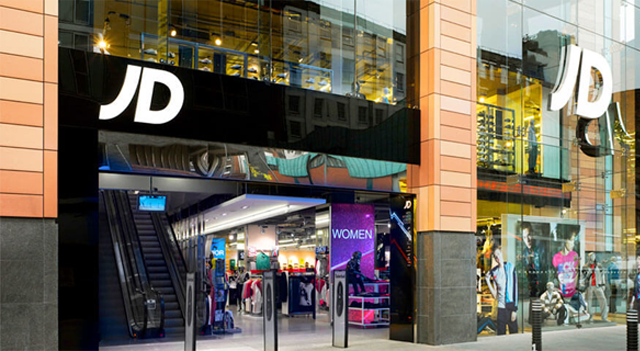
    JD Sports (LSE:JD.) has warned that profits could decline further in the coming financial year as weak consumer spending, difficult footwear market conditions and wider geopolitical uncertainty continue to weigh on trading.

    The retailer forecast profit before tax and adjusting items (PBTAI) of between £750 million and £850 million for fiscal 2027. The upper end of the range would only broadly match the £852 million reported for the year ended January 2026, which itself represented a 6.4% decline on the previous year at constant currency.

    Management said the wide guidance range reflects ongoing uncertainty surrounding consumer demand, industry trading conditions and the broader macroeconomic environment.

    Management remains cautious on short-term market conditions

    Chief Executive Régis Schultz said the company remains focused on operational discipline while preparing for continued subdued market growth in the near term.

    He added that although current consumer and industry indicators remain challenging, management continues to hold a more positive view of the group’s medium-term growth prospects.

    Revenue growth driven by acquisitions despite weaker like-for-like sales

    For the financial year just completed, total sales increased 11.7% at constant currency to £12.66 billion. However, excluding contributions from the acquisitions of Hibbett and Courir, underlying organic growth was a more modest 2.1%.

    Group like-for-like sales declined 2.1%, reflecting softer trading conditions across several regions and categories.

    Gross margin remained stable at 47%, as controlled pricing investments — particularly within online channels — were balanced by increased marketing support from major brand partners.

    Margins pressured despite stronger cash flow

    Operating profit before adjusting items declined 5.4% to £886 million, while operating margin narrowed by 120 basis points to 7.0%. The company attributed the decline to inflationary cost pressures and weaker like-for-like sales performance.

    Despite the earnings pressure, free cash flow rose 36% to £462 million, supported by tighter capital discipline and lower capital expenditure, which fell to £401 million from £515 million in the previous year.

    JD Sports ended the period with net cash before lease liabilities of £311 million, a significant improvement from £52 million a year earlier. The group expects free cash flow for FY27 to range between £460 million and £520 million.

    North America improves while UK remains challenging

    North America, now JD Sports’ largest market accounting for 38% of total sales, recorded a 1.8% decline in like-for-like sales over the full year. However, trading improved progressively throughout the year, with positive like-for-like growth achieved during the fourth-quarter peak trading period.

    The UK delivered the weakest performance, with organic sales falling 2.5% and like-for-like sales down 3.9%, impacted by softer footwear demand and weaker online trading.

    Asia Pacific was the strongest-performing region, generating organic growth of 8.5% alongside improving like-for-like sales momentum toward the end of the year.

    More about JD Sports

    JD Sports Fashion plc is a UK-based international sportswear retailer operating stores and digital platforms across multiple global markets. The company specialises in branded athletic footwear, apparel and accessories, partnering with major sportswear brands while expanding through acquisitions and international growth initiatives across Europe, North America and Asia Pacific.
  • Shell (SHEL) reports stronger first-quarter earnings and expands shareholder returns

    Shell (SHEL) reports stronger first-quarter earnings and expands shareholder returns

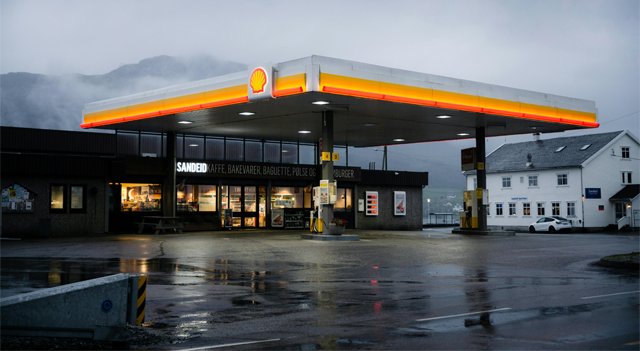
    Shell plc (LSE:SHEL) delivered a strong set of first-quarter 2026 results, with income attributable to shareholders rising to $5.7 billion and adjusted earnings reaching $6.9 billion. Performance was supported by stronger trading and optimisation activity, improved realised commodity prices, firmer refining margins and lower operating costs.

    Cash flow from operations totalled $6.1 billion, although this was negatively affected by an $11.2 billion working capital outflow linked to commodity price movements. Net debt increased to $52.6 billion, while gearing rose to 23.2%, partly due to higher lease liabilities, shareholder distributions and interest expenses.

    Shareholder distributions and buyback programme continue

    The company returned $5.3 billion to shareholders through a combination of dividends and share repurchases during the quarter. Shell also declared a quarterly dividend of $0.3906 per share and announced a new $3 billion share buyback programme, which is expected to continue until the release of second-quarter 2026 results.

    Management said the ongoing capital return programme reflects confidence in the group’s cash-generating capability and continued focus on disciplined capital allocation.

    Portfolio reshaping continues through acquisitions and disposals

    Shell continued to reshape its asset portfolio during the quarter through a series of strategic transactions. The company agreed to acquire Canadian natural gas producer ARC Resources in a deal valued at approximately $13.6 billion, strengthening its position in the Montney shale basin and expanding its Integrated Gas operations.

    At the same time, Shell agreed to sell Jiffy Lube International for around $1.3 billion while securing a long-term lubricants supply agreement linked to the business. The company said these moves align with its strategy of concentrating investment on core energy and downstream operations while reallocating capital toward higher-priority growth areas.

    Strong fundamentals balanced by operational risks

    Shell’s outlook continues to be supported by solid underlying financial performance and management guidance focused on cost reduction, disciplined investment and sustained shareholder returns. Technical indicators remain positive, although some measures suggest the shares may be approaching overbought conditions.

    Valuation metrics remain relatively reasonable, supported by a dividend yield of around 3%, although weaker recent free cash flow trends and operational risks linked to the Chemicals division, safety performance and reserve replacement remain factors that could limit upside potential.

    More about Shell

    Shell plc is a global energy and petrochemicals company operating across the full oil and gas value chain, including exploration, production, refining, trading, marketing and liquefied natural gas. The group also continues to expand its focus on downstream activities, renewable energy and broader energy solutions while maintaining a significant global presence in fuels, lubricants and related products.

  • Centrica (CNA) acquires Severn gas-fired power station in £370 million deal

    Centrica (CNA) acquires Severn gas-fired power station in £370 million deal

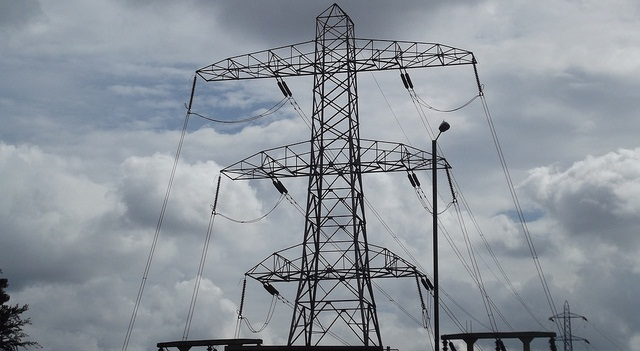
    Centrica (LSE:CNA) has finalised the acquisition of the Severn combined-cycle gas turbine power plant in South Wales from Calon Energy for £370 million. The transaction increases the company’s electricity generation portfolio across the UK and Ireland to 4GW, including projects currently under development and construction. The Severn facility, commissioned in 2010, has an 850MW capacity and is regarded as one of the UK’s most efficient gas-fired power stations, providing large-scale flexible generation capability at a time of growing demand for grid stability.

    Plant expected to provide long-term earnings contribution

    Centrica said the Severn asset is well positioned to benefit from several revenue streams, including wholesale electricity sales, capacity market payments and balancing services supplied to the National Energy System Operator. The company expects the station to deliver average annual capacity market revenues of around £35 million through to 2030, while EBITDA is projected to range between £30 million and £60 million annually from 2027 onward. Management also indicated the acquisition is expected to become earnings accretive on a per-share basis from the first full year following completion.

    Flexible generation seen as key during energy transition

    The company believes the Severn power station will play an important role in supporting system reliability during the UK’s ongoing energy transition. Centrica noted that gas-fired generation continues to provide essential dispatchable and flexible power capacity as older plants retire and grid constraints persist. The acquisition is aligned with the group’s broader capital allocation strategy and increases expected 2026 capital investment to approximately £1.1 billion. The purchase was funded entirely through existing cash resources on a cash-free, debt-free basis.

    Integration costs expected to weigh on short-term earnings

    Centrica warned that transaction-related expenses, integration costs and seasonally weaker summer revenues are likely to contribute to a modest net loss during 2026. Despite this, management sees opportunities to improve returns through operational optimisation and by applying its expertise in managing critical infrastructure assets. The deal also strengthens Centrica’s exposure to flexible power generation as electricity demand in South Wales is expected to rise, particularly from emerging high-energy users such as data centres.

    Financial profile remains balanced

    The company’s outlook is supported by solid revenue growth and consistently positive free cash flow generation, although this is balanced against volatile profitability, including a net loss recorded in 2025, and a balance sheet viewed as only moderately resilient. Technical indicators remain moderately constructive, with the stock trading above key long-term moving averages and momentum signals remaining neutral. Valuation metrics are considered reasonable, supported by a moderate price-to-earnings ratio and dividend yield.

    More about Centrica

    Centrica plc is a UK-based energy group listed on the London Stock Exchange, operating across electricity generation, energy supply and related services throughout the UK and Ireland. The company manages a portfolio of flexible generation assets, including combined-cycle gas turbine plants, and focuses on supporting energy security and the transition toward a lower-carbon energy system while generating returns for consumers, businesses and shareholders.

  • European equities rally as hopes rise for U.S.-Iran agreement: DAX, CAC, FTSE100

    European equities rally as hopes rise for U.S.-Iran agreement: DAX, CAC, FTSE100

    European stock markets moved sharply higher on Wednesday as investor sentiment improved on growing expectations that the United States and Iran could move toward a diplomatic agreement.

    A steep drop in oil prices and easing concerns over energy-driven inflation further supported risk appetite across the region. Investor confidence was also boosted by record highs in U.S. stock futures and another round of strong corporate earnings reports.

    The U.K.’s FTSE 100 climbed 2.6% from Tuesday’s close of 10,219.11 and was trading at 10,482.96. During the session, the index moved between 10,324.72 and 10,487.66.

    France’s CAC 40 advanced 3.3% to 8,329.49 after fluctuating between 8,131.53 and 8,330.44. The benchmark index has now gained 8.2% since the start of the year.

    Germany’s DAX jumped 2.7% to 25,041.89 from the previous close of 24,392.27. The index traded between 24,616.25 and 25,150.39 and touched its highest level in nine weeks.

    Switzerland’s Swiss Market Index also rallied strongly, rising 2.3% from 13,052.17 to 13,348.40. The session range stood between 13,174.20 and 13,377.70.

    The pan-European EURO STOXX 50 gained 3% to trade at 6,045.45, compared with its prior close of 5,869.63. Intraday trading ranged from 5,917.95 to 6,065.06.

    Renewed optimism surrounding a possible U.S.-Iran peace agreement also weakened the safe-haven U.S. dollar.

    The EUR/USD pair rose 0.7% to 1.1769, while GBP/USD gained 0.5% to trade at 1.3621.

    European markets had already finished Tuesday’s session in positive territory after tensions in the Middle East showed signs of easing.

  • European equities advance while oil declines after Trump pauses Hormuz operation: DAX, CAC, FTSE100

    European equities advance while oil declines after Trump pauses Hormuz operation: DAX, CAC, FTSE100

    European stock markets moved higher on Wednesday as investors reacted positively to signs of easing tensions around the Strait of Hormuz and growing expectations of a potential diplomatic agreement between the United States and Iran.

    By 07:08 GMT, the pan-European Stoxx 600 index was up 1.2%, while Germany’s DAX gained 1.2%, France’s CAC 40 rose 1.2% and the UK’s FTSE 100 advanced 1.3%.

    Trump temporarily suspends Strait of Hormuz mission

    On Tuesday, U.S. President Donald Trump announced that “Project Freedom” — a U.S.-led military effort designed to reopen the Strait of Hormuz by escorting commercial ships through the waterway — would be suspended “for a short period of time.”

    The operation had only recently begun earlier this week and was followed by renewed attacks in the strait and wider Gulf region, including incidents targeting locations in the United Arab Emirates.

    In a post on social media, Trump said the decision had partly been made at the request of Pakistan, which has frequently acted as a mediator between Washington and Tehran. He also stated that “great progress” had been achieved toward a peace agreement with Iran.

    China-Iran talks fuel hopes of de-escalation

    Trump’s move came shortly after discussions between Iranian and Chinese foreign ministers. China remains one of the largest buyers of Iranian crude oil, and reports have suggested that Beijing may be encouraging Tehran to avoid further escalation with Washington ahead of a planned meeting next week between Chinese President Xi Jinping and Trump.

    Oil prices retreat despite continued shipping disruption

    Oil prices fell following Trump’s announcement, with Brent crude futures declining 1.5% to $108.22 per barrel. Even so, prices remain significantly above levels seen before the conflict escalated.

    The Strait of Hormuz — through which roughly one-fifth of global oil supplies pass — effectively remains closed to tanker traffic after weeks of disruption, with both the United States and Iran maintaining blockades in the area.

    Novo Nordisk and Diageo among market gainers

    Among individual stocks, shares in Novo Nordisk (NYSE:NVO) rose after the maker of the weight-loss treatment Wegovy reported stronger-than-expected revenue and adjusted operating profit, helping reassure investors amid intense competition from rivals including Eli Lilly.

    Diageo (LSE:DGE) also moved higher as demand increased ahead of this year’s football World Cup tournament.

    German carmaker BMW (TG:BMW) gained following its quarterly earnings update, while Norwegian energy group Equinor (NYSE:EQNR) traded lower after its latest results.

  • FTSE 100 rises as hopes grow for diplomatic breakthrough between U.S. and Iran

    FTSE 100 rises as hopes grow for diplomatic breakthrough between U.S. and Iran

    UK equities moved higher on Wednesday after signs of easing tensions between the United States and Iran lifted investor sentiment, following reports that Washington had temporarily paused military escort operations in the Strait of Hormuz.

    By 07:25 GMT, the FTSE 100 was up 1.3%, while sterling strengthened slightly against the dollar to 1.3587. European markets also advanced, with Germany’s DAX gaining 1.3% and France’s CAC 40 rising 1.14%.

    Trump signals potential diplomatic progress with Iran

    U.S. President Donald Trump said that “Project Freedom” — the U.S. naval and air mission escorting commercial shipping through the Strait of Hormuz — would be paused temporarily amid progress toward what he described as a “complete and final agreement” with Iran.

    Despite the pause, Trump stressed that the naval blockade on Iranian ports would remain in place.

    The development came shortly after U.S. Secretary of State Marco Rubio had indicated that the escort mission would continue, highlighting the rapid pace of diplomatic developments. Pakistan reportedly remains involved as an intermediary between Washington and Tehran.

    Markets encouraged by de-escalation despite ongoing tensions

    Investors welcomed the softer diplomatic tone, although geopolitical uncertainty remains elevated. Iranian President Masoud Pezeshkian rejected U.S. pressure, stating that Tehran would not accept unilateral demands and declaring that “no one can make us surrender.”

    Meanwhile, a draft United Nations Security Council resolution backed by Bahrain, Saudi Arabia, the UAE, Kuwait and Qatar is expected to face a vote in the coming days. The proposal calls on Iran to halt attacks on shipping, remove sea mines and ensure safe maritime passage.

    UK stocks in focus

    Smith & Nephew

    Smith & Nephew (LSE:SN.) reported first-quarter underlying revenue growth of 3.1% to $1.5 billion, supported by strong performances in sports medicine and wound management. The medical technology company also announced a $500 million share buyback programme while maintaining its full-year guidance.

    Kingfisher

    Kingfisher (LSE:KGF) said chief executive Thierry Garnier will step down after nearly seven years in the role and is expected to become chief executive of Ahold Delhaize in 2027. The retailer also reported a 6% increase in annual adjusted pre-tax profit and confirmed it has started the search for a successor.

    J D Wetherspoon

    J D Wetherspoon (LSE:JDW) posted like-for-like sales growth of 3.4% for the 13 weeks to 26 April but warned that rising energy costs linked to the Iran conflict, alongside higher taxes, could leave full-year profits slightly below market forecasts.

    Diageo

    Diageo (LSE:DGE) surprised markets with a 0.3% increase in quarterly organic net sales, helped by strong demand for Guinness in Britain and Ireland and World Cup-related stocking activity in Latin America and the Caribbean. However, North America remained weak, with organic sales in the region declining 9.4%.

  • Diageo (DGE) maintains annual guidance despite uneven regional trading

    Diageo (DGE) maintains annual guidance despite uneven regional trading

    Diageo (LSE:DGE) reported mixed third-quarter performance, with reported net sales rising 2.3% to $4.5 billion, although underlying organic growth remained broadly flat.

    The drinks group benefited from strong high-single-digit growth across Europe, Latin America and the Caribbean, and Africa. However, these gains were largely offset by continued weaker trading conditions in North America and a slight decline in the Asia-Pacific region.

    Cost-saving programme and portfolio changes remain central to strategy

    Management said the company continues to advance its Accelerate efficiency programme, which is targeting approximately $300 million in cost savings by the end of fiscal 2026.

    Diageo also reaffirmed its full-year guidance while pursuing several portfolio reshaping initiatives aimed at improving financial flexibility and lowering leverage.

    These measures include the sale of the Royal Challengers Bengaluru business and the planned disposal of the company’s stake in East African Breweries.

    Emerging markets continue to provide growth support

    The company’s latest results highlighted the increasing importance of emerging markets within its global portfolio as stronger demand in Africa and Latin America helped offset softer consumer spending trends in more mature markets.

    Management continues to focus on premiumisation, operational efficiency and capital discipline as it navigates more difficult trading conditions in key regions.

    Margin pressure and leverage remain investor concerns

    Diageo’s broader outlook continues to be supported by relatively solid operating margins and underlying revenue growth. However, margin pressure, elevated leverage and less stable free cash flow generation remain areas of concern.

    Technical indicators also remain weak, with the shares trading below major moving averages, although valuation support is provided in part by the company’s comparatively high dividend yield.

    More about Diageo

    Diageo is a global alcoholic beverages company with a portfolio spanning spirits, beer and premium drinks brands. The group is best known for products including Scotch whisky, tequila and Guinness stout. Diageo operates across North America, Europe, Asia-Pacific, Latin America and the Caribbean, and Africa, focusing on premium international brands in both developed and emerging consumer markets.

  • Reach plc (RCH) faces digital pressures but maintains full-year expectations

    Reach plc (RCH) faces digital pressures but maintains full-year expectations

    Reach plc (LSE:RCH) reported a 6.9% decline in group revenue during the first quarter of 2026, as weaker digital traffic and ongoing print market pressures continued to affect trading.

    Digital revenue fell 8.1% year on year, while print revenue declined 6.6%. The company said lower search and referral traffic, particularly from Google, remained a significant challenge for audience growth and advertising performance.

    Publisher expands subscriptions and off-platform strategy

    In response to the weaker digital environment, Reach is accelerating efforts to diversify audience engagement beyond traditional search traffic sources. The company is focusing on growing off-platform reach, increasing video content production and expanding premium subscription offerings.

    Management said premium paid subscriptions are now being rolled out across 11 titles as part of its broader digital monetisation strategy.

    Despite the revenue decline, Reach stated that it remains on course to meet current market expectations for 2026.

    Cost controls and print resilience provide support

    The group said ongoing cost reduction initiatives, cover price increases and relatively resilient print circulation and advertising revenues are helping offset digital weakness.

    Management continues to rely on operational efficiencies and pricing actions to protect profitability while adapting its publishing model to changing consumer behaviour and platform dynamics.

    Attractive valuation balanced by structural concerns

    Reach’s investment outlook continues to be supported by a low valuation multiple and a comparatively high dividend yield.

    However, these positives are offset by deteriorating long-term operating trends, including several years of declining revenue and a substantial net loss reported during 2025. Technical indicators also remain weak, although some oversold signals suggest the possibility of short-term stabilisation.

    More about Reach plc

    Reach plc is the largest commercial news publisher in the UK and Ireland, operating more than 120 national and regional media brands. Its portfolio includes titles such as the Mirror, Express, Daily Record, Daily Star, MyLondon and Manchester Evening News. The company distributes news and entertainment content across print, digital and social platforms, while also expanding its presence in the United States through brands including Irish Star.

  • Wetherspoon reports steady sales gains as rising industry costs pressure outlook

    Wetherspoon reports steady sales gains as rising industry costs pressure outlook

    J D Wetherspoon (LSE:JDW) recorded like-for-like sales growth of 3.4% during the 13 weeks to 26 April 2026, with year-to-date like-for-like sales increasing 4.3%. Total sales rose 4.1% in the quarter and were up 4.9% for the financial year so far, while the company kept its managed pub estate broadly unchanged and continued to expand its franchised operations.

    The group also progressed its capital allocation strategy through the repurchase of 3.8 million shares and the acquisition of additional pub freeholds.

    Expansion plans continue despite profit caution

    Wetherspoon said it remains ahead of wider hospitality industry sales trends and continues to pursue expansion opportunities, including a pipeline of new openings in airports and central London locations.

    However, the company warned that mounting cost pressures across the hospitality sector could result in full-year profits coming in slightly below current market expectations. Rising operating expenses remain a challenge despite resilient trading performance.

    Cash flow strength balanced by leverage concerns

    The company’s outlook is supported by stabilising business fundamentals and strong cash flow generation. Nevertheless, elevated leverage levels continue to weigh on investor sentiment.

    Technical indicators also remain weak, with the shares trading below key moving averages and momentum indicators staying negative. While the valuation appears reasonable, it has not been sufficient to offset concerns surrounding the current share price trend and balance sheet risk.

    More about J D Wetherspoon

    J D Wetherspoon is a pub operator with sites across the UK and Ireland, managing a large portfolio of pubs alongside a growing franchise business. The company focuses on offering competitively priced food and drinks in individually designed venues supported by trained staff, positioning itself as a value-oriented operator within the hospitality market.

  • Union Jack Oil begins drilling at Crossroads Well in Oklahoma

    Union Jack Oil begins drilling at Crossroads Well in Oklahoma

    Union Jack Oil (LSE:UJO) has announced that drilling operations have commenced at the Crossroads Well in Oklahoma, operated by Reach Oil and Gas Company Inc. The well was spudded on 5 May 2026, with drilling activity expected to last around 10 days before results are communicated to shareholders.

    The company owns a 43% working interest in the project and has financed its share of the drilling programme entirely from existing cash reserves, highlighting its strategy of expanding U.S. onshore operations without relying on external funding.

    U.S. expansion strategy gathers pace

    Progress at the Crossroads project represents another step in Union Jack’s broader plan to develop a diversified portfolio spanning both the UK and the United States. A successful drilling outcome could improve the company’s reserves base and future cash flow generation while strengthening its position among small-cap independent hydrocarbon producers focused on conventional oil and gas assets.

    The investment also reflects management’s emphasis on disciplined capital allocation, with the company continuing to use internally generated funds to support development activity and growth opportunities.

    Strong balance sheet offsets profitability concerns

    Union Jack’s outlook continues to benefit from a debt-free balance sheet and a track record of profitability since 2022. However, these positives are tempered by a notable decline in profitability during 2024 alongside uneven and negative free cash flow performance.

    Technical indicators point to solid short-term momentum, although some measures suggest overbought conditions and a weaker longer-term trend. Valuation metrics remain difficult to assess due to the company’s negative price-to-earnings ratio and the absence of a dividend yield.

    More about Union Jack Oil

    Union Jack Oil plc is an AIM-listed onshore oil and gas company focused on production, development, exploration and investment opportunities across the UK and United States. Trading under the ticker UJO, the company concentrates on conventional hydrocarbon projects and typically uses its own cash resources to acquire and develop material working interests in energy assets.