Category: Top Story

  • Vodafone Confirms e& Exit as Niel Family’s Vega Acquires Strategic Stake (VOD)

    Vodafone Confirms e& Exit as Niel Family’s Vega Acquires Strategic Stake (VOD)

    Vodafone (LSE:VOD) has announced that Emirates Telecommunications Group Company, trading as e&, has agreed to sell its entire shareholding in the company to Vega, an acquisition vehicle wholly owned by the Niel family group. The transaction represents a major change to Vodafone’s shareholder structure and brings the strategic relationship between Vodafone and e& to an end.

    Governance Changes Follow Shareholding Transfer

    Following completion of the agreement, the relationship agreement established between Vodafone and e& in May 2023 has been terminated. Hatem Dowidar, who served on Vodafone’s board as e&’s nominated director, has also stepped down with immediate effect.

    The ownership change removes e&’s direct role in Vodafone’s governance and introduces the Niel family group as a significant shareholder. The transition may influence investor sentiment and future strategic direction as Vodafone begins a new chapter without its previous partnership with e&.

    Financial Strength Balanced by Ongoing Challenges

    Vodafone’s investment case continues to be supported by resilient cash generation and management’s expectations of delivering results at the upper end of fiscal 2026 guidance, alongside anticipated growth in fiscal 2027.

    However, the outlook remains tempered by continued earnings volatility, net losses and a relatively high debt burden. Technical indicators also suggest near-term weakness, while valuation remains difficult to assess given the company’s loss-making price-to-earnings ratio, despite offering a moderate dividend yield.

    More about Vodafone

    Vodafone is a global telecommunications provider with operations focused on Europe and Africa. The group delivers mobile, broadband and digital connectivity services across 17 markets, holds investments in three additional countries and maintains partnerships spanning more than 40 markets worldwide. It also operates one of the world’s largest Internet of Things (IoT) platforms, manages capacity across more than 70 subsea cable systems and provides mobile financial services to millions of customers throughout Africa.

    The company serves more than 370 million mobile and broadband customers while supporting over 240 million IoT connections globally. Its network infrastructure spans subsea cables, terrestrial networks and emerging satellite technologies, helping businesses and consumers remain connected across international markets.


  • MJ Gleeson Meets Profit Expectations as Homes Division Offsets Slower Land Sales (AVG)

    MJ Gleeson Meets Profit Expectations as Homes Division Offsets Slower Land Sales (AVG)

    MJ Gleeson plc (LSE:GLE), the affordable housebuilder and land promotion specialist, expects adjusted group profit before tax for the year ended 30 June 2026 to broadly match market forecasts. Solid trading at Gleeson Homes helped offset slower-than-anticipated land transactions at Gleeson Land. The company also maintained a prudent financial position, with modest net debt, limited land creditor exposure and a disciplined approach to working capital and land investment amid ongoing economic uncertainty.

    Homes Business Delivers Stronger Performance

    Gleeson Homes completed 1,968 properties during the year, representing a 9.8% increase on the previous period. Growth was supported by the division’s first partnership completions, stronger private multi-unit sales, a modest increase in the forward order book and the launch of 13 new developments.

    The business also completed its Project Transform operational overhaul, introducing strengthened leadership and improved operating processes. However, management said continued build cost inflation, increasing regulatory requirements and planning delays are likely to limit short-term margin improvement and leave the number of active sales outlets slightly below earlier expectations.

    Land Division Impacted by Deferred Transactions

    Gleeson Land completed five site disposals during the year but is expected to report a small operating loss after three planned sales were delayed into the next financial year. Despite the postponed transactions, the division expanded its portfolio of consented and near-consented development sites, increasing its future plot potential.

    Management said market conditions for land sales remain cautious, with uncertainty surrounding the timing of transactions. Nevertheless, it believes the strengthened land portfolio, combined with improvements across the homes business, positions the group to benefit when conditions across the housing and land markets improve.

    Market View Remains Cautious

    The company’s investment outlook continues to be weighed down by weak technical indicators, including a share price trading below major moving averages, a bearish MACD reading and a deeply oversold RSI. While the balance sheet remains robust and revenue growth has been steady, pressure on margins together with negative recent operating and free cash flow continues to temper investor sentiment.

    More about MJ Gleeson PLC

    MJ Gleeson plc operates two complementary businesses: Gleeson Homes and Gleeson Land. Gleeson Homes develops affordable, traditionally built homes across the Midlands and the North of England, offering a range of properties from one-bedroom apartments to five-bedroom family homes and bungalows. Its strategy focuses on providing homes where ownership is more affordable than renting, with a significant proportion aimed at buyers earning the National Living Wage.

    Gleeson Land specialises in promoting land for residential development throughout South, West and Central England. The division identifies development opportunities, secures planning permission to enhance land value and manages the sale of sites to housebuilders on behalf of landowners. Across the group, sustainability and social impact remain central priorities, with business objectives aligned to selected United Nations Sustainable Development Goals.

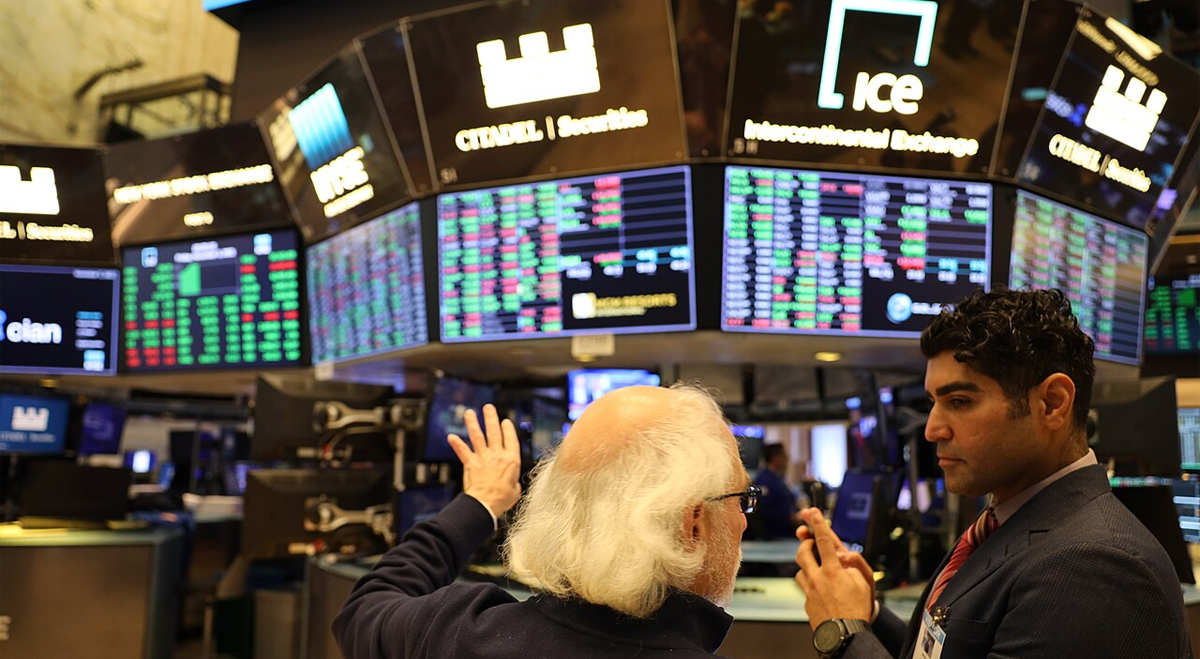
  • Wall Street Futures Climb as Chipmakers Boost Market Sentiment: Dow Jones, S&P, Nasdaq

    Wall Street Futures Climb as Chipmakers Boost Market Sentiment: Dow Jones, S&P, Nasdaq

    Semiconductor Stocks Support Positive Start

    U.S. equity futures traded higher ahead of Thursday’s opening bell, pointing to a stronger start after the major indexes delivered mixed performances in the previous session.

    Technology shares looked set to lead the advance, with semiconductor companies providing fresh momentum following Wednesday’s late recovery in the Nasdaq.

    Nasdaq 100 futures rose about 1%, helped by strong pre-market gains in Micron Technology (NASDAQ:MU) and SanDisk (NASDAQ:SNDK).

    Middle East Developments Remain in Focus

    Investors continued to monitor geopolitical developments as tensions between the United States and Iran remained elevated.

    U.S. Central Command said American forces carried out another round of strikes against roughly 90 military targets in Iran, aiming to weaken Tehran’s ability to threaten commercial shipping in the Strait of Hormuz.

    “This is in retribution for yesterday’s bombing of ships by Iran. If it happens again, it will get much worse!” President Donald Trump wrote on Truth Social.

    Iran reportedly retaliated with attacks targeting Bahrain, Kuwait and Qatar.

    Speaking aboard Air Force One, Trump said Iran wanted to “make a deal so badly,” while adding that he was unsure whether the country was “worthy of making a deal.”

    Markets Recover After Early Selloff

    Wednesday’s trading session began with broad losses before equities recovered during the afternoon.

    The Dow Jones Industrial Average ended down 576.76 points, or 1.1%, at 52,348.39, while the S&P 500 slipped 0.3% to 7,482.71. The Nasdaq Composite outperformed, rising 0.2% to close at 25,870.65.

    The initial decline followed Trump’s announcement that the U.S.-Iran ceasefire was “over.”

    “As far as I’m concerned, it’s over,” Trump told reporters during the NATO summit in Ankara, calling negotiations with Iran a “waste of time.”

    He later said the United States would “very probably” strike Iran “hard again tonight.”

    Oil and Interest Rate Concerns Shape Trading

    Crude oil futures initially surged by more than 5%, raising fresh concerns that higher energy prices could keep inflation elevated and delay interest-rate cuts.

    As oil retreated from its intraday highs, equity markets recovered much of their earlier losses.

    Housing, airline, banking and commercial real estate stocks finished lower, while energy shares outperformed alongside stronger crude prices. Semiconductor and computer hardware companies also posted solid gains, helping technology stocks outperform.

  • European Stocks Edge Higher as Tech Rebounds and Middle East Tensions Remain in Focus: DAX, CAC, FTSE100

    European Stocks Edge Higher as Tech Rebounds and Middle East Tensions Remain in Focus: DAX, CAC, FTSE100

    European Markets Advance Despite Ongoing Geopolitical Uncertainty

    European equity markets traded modestly higher on Thursday, supported by gains in technology stocks, while oil prices eased even after the U.S. military carried out a second consecutive day of strikes on Iranian targets. President Donald Trump said the latest escalation would be resolved quickly.

    U.S. forces reportedly struck around 90 targets across Iran, while Tehran responded with attacks targeting Gulf states.

    German Trade Data Beats Expectations

    Fresh economic data from Germany provided an additional boost to sentiment.

    Official figures showed exports rose 0.9% in May compared with the previous month, defying expectations for a 0.3% decline. The increase was largely driven by stronger shipments to the United States.

    Imports, meanwhile, unexpectedly fell 2.5%, reversing April’s 1.1% increase and marking the first monthly decline in four months.

    Major European Indices Mixed

    France’s CAC 40 advanced 0.5%, while Germany’s DAX gained 0.3%.

    The UK’s FTSE 100 underperformed, falling 0.6% as weakness in major energy companies, including BP Plc and Shell, weighed on the index.

    Company Movers

    French pharmaceutical group Ipsen (EU:IPN) moved higher after reporting positive Phase III trial results for Dysport in migraine prevention.

    Bytes Technology Group (LSE:BYIT) also posted strong gains after announcing robust trading during the first four months of its financial year through 30 June.

    German wind turbine manufacturer Nordex (TG:NDX1) surged after revealing that second-quarter wind turbine orders increased by almost one-third compared with a year earlier.

    Meanwhile, AstraZeneca (LSE:AZN) was among London’s biggest decliners after announcing that its experimental drug Wainua failed to achieve its primary objective in a late-stage clinical trial focused on reducing cardiovascular-related deaths.

  • Wall Street Futures Rise as Geopolitical Risks Persist and PepsiCo Earnings Approach: Dow Jones, S&P, Nasdaq

    Wall Street Futures Rise as Geopolitical Risks Persist and PepsiCo Earnings Approach: Dow Jones, S&P, Nasdaq

    U.S. equity futures traded higher on Thursday as investors monitored renewed military action between the United States and Iran while preparing for another busy earnings day led by PepsiCo (NASDAQ:PEP).

    Although crude oil prices eased slightly, they remained well above levels seen before the latest escalation in the Middle East, keeping concerns over inflation and global energy supplies firmly in focus.

    Futures Point to Higher Open

    As of 02:53 ET (06:53 GMT), Dow Jones futures were higher by 82 points, or 0.2%. S&P 500 futures added 0.3%, while Nasdaq 100 futures outperformed with a gain of 0.5%.

    The previous session ended mixed, with the Dow Jones Industrial Average falling 1.1% and the S&P 500 slipping 0.3%, while the Nasdaq Composite posted a modest 0.2% gain thanks to continued strength in technology stocks.

    Markets reacted cautiously after U.S. President Donald Trump said the ceasefire framework with Iran was “over”, reviving fears that higher oil prices could complicate the inflation outlook.

    Technology shares helped cushion broader losses. Nvidia extended gains after reports suggested China may allow limited domestic access to the company’s H200 AI chips.

    Minutes from the Federal Reserve’s June meeting also attracted attention. Analysts at Vital Knowledge described the overall tone as “fairly dovish tone on the monetary policy outlook”, despite policymakers remaining alert to inflation risks linked to energy prices.

    Fresh Conflict Keeps Markets on Edge

    Military operations continued overnight as the United States launched strikes against approximately 90 Iranian military targets, including air defence systems and missile facilities.

    Iran responded with attacks targeting U.S. military installations in Kuwait and Bahrain, while the Islamic Revolutionary Guards Corps warned that additional strikes could follow if further U.S. military action takes place.

    The latest exchange has raised fresh doubts over the durability of the temporary ceasefire reached in June. Negotiations remain complicated by disagreements over the Strait of Hormuz, Iran’s nuclear programme and broader regional conflicts.

    Speaking after the NATO summit, President Trump said Iran wanted to “make a deal so badly”, although Iranian officials have not publicly indicated that negotiations have resumed.

    Oil Holds Above Pre-Conflict Levels

    Brent crude traded below $78 per barrel, slipping 1.0% to $77.26 by 03:42 ET.

    Despite the decline, prices remain considerably above the roughly $71 level recorded before the latest escalation, as traders continue to price in the risk of disruption to shipping through the Strait of Hormuz, one of the world’s most important energy transport routes.

    Higher energy prices continue to cloud the inflation outlook and could influence future interest-rate decisions by major central banks.

    PepsiCo Results Take Centre Stage

    Investors are also awaiting quarterly earnings from PepsiCo before the opening bell.

    When reaffirming its annual guidance in April, Chief Financial Officer Steve Schmitt warned that the “macroeconomic environment has become more volatile and uncertain because of ongoing geopolitical conflicts.”

    Markets will be looking for updates on how higher transportation, energy and raw material costs are affecting margins. While Schmitt acknowledged that price increases remain an option, he stressed they would only be implemented if necessary.

    PepsiCo shares have gained approximately 0.2% since the beginning of the year.

    China’s Inflation Signals Uneven Recovery

    China’s latest inflation figures painted a mixed picture.

    Consumer inflation slowed to 1.0% year-on-year in June, while producer inflation accelerated to 4.1%, its strongest reading since July 2022.

    Analysts said rising prices for electronics linked to AI-related chip shortages partly offset weaker pricing across many industrial sectors.

  • Market Open: Sizewell B Extension, Computacenter Profit Growth

    Market Open: Sizewell B Extension, Computacenter Profit Growth

    FTSE 100 edges lower as Centrica backs Sizewell B extension, Computacenter forecasts stronger profits and Brent crude eases.

    Market Overview

    The FTSE 100 opened marginally lower at 10,487.89, while the Euronext 100 gained 0.16 per cent and Germany’s DAX advanced 0.44 per cent. Overnight, the Nasdaq closed higher at 25,870.65, while the S&P 500 finished lower at 7,482.71. Investor sentiment remained cautious as markets assessed renewed geopolitical tensions following the collapse of the US-Iran ceasefire, while European equities attempted to stabilise after the previous session’s sharp losses.

    Against sterling, the US dollar strengthened slightly while the Swiss franc, euro, Japanese yen and Australian dollar all edged firmer. Bitcoin was up. In commodities, copper advanced, while gold, Brent crude and natural gas all eased, with oil continuing to reflect geopolitical risks in the Middle East despite softer prices at the open.


    Market Numbers

    FTSE 100: Down (-0.01%), 10,487.89

    Euronext 100: Up (+0.16%), 1,895.27

    DAX: Up (+0.44%), 25,006.76

    NASDAQ: Up, 25,870.65

    S&P 500: Down, 7,482.71


    In the Headlines

    Nuclear agreement – Centrica (LSE:CNA)

    Centrica has agreed a 20-year contract supporting the extension of the Sizewell B nuclear power station, helping secure long-term low-carbon electricity generation and reinforcing the UK’s energy security strategy.

    Trading update – Computacenter (LSE:CCC)

    Computacenter expects first-half profit to more than double compared with 2025, reflecting stronger trading performance and indicating improving momentum across its technology services business.


    Currencies (vs GBP)

    USD: Down (-0.00%), $1.3394

    CHF: Down (-0.08%), Fr.1.0824

    EUR: Down (-0.03%), €1.1727

    JPY: Down (-0.01%), ¥217.703

    AUD: Down (-0.01%), $1.931

    Bitcoin (BTC/GBP): Up, £46,967.94


    Commodities

    Copper: Up

    Gold: Down

    Brent Crude: Down

    Natural Gas: Down

  • European Stocks Advance as Technology Sector Recovers and Investors Track Middle East Developments: DAX, CAC, FTSE100

    European Stocks Advance as Technology Sector Recovers and Investors Track Middle East Developments: DAX, CAC, FTSE100

    European equity markets moved higher in volatile trading on Thursday, supported by a strong rebound in technology shares as investors assessed the latest developments in the Middle East after U.S. President Donald Trump said Iran wanted to “make a deal”.

    The pan-European STOXX 600 index gained 0.5% to 639.12 points by 08:16 GMT. Technology and basic resources led sector performance, advancing 1.8% and 2.8% respectively.

    Semiconductor-related stocks drove much of the rally, with Siltronic (TG:WAF) surging 10.5%, Soitec (EU:SOI) rising 4.5% and ASML (EU:ASML) adding 2.6%.

    The technology sector had paused after recording its strongest quarterly performance since 2001 in June, and Thursday’s recovery suggested investors were temporarily looking beyond concerns over stretched valuations. Even so, the sector remains the weakest performer on the STOXX 600 so far this month.

    Market sentiment also received support from reports that China could permit domestic artificial intelligence companies to access Nvidia’s (NASDAQ:NVDA) H200 chips on a limited basis, raising expectations of continued investment in AI infrastructure.

    Oil prices edged lower as investors continued to monitor geopolitical developments. Energy markets remained focused on the conflict between the United States and Iran after fresh U.S. strikes followed President Trump’s statement on Wednesday that negotiations with Tehran were over, contributing to the STOXX 600’s largest one-day decline since March.

    “Positive developments around the AI trade are supporting sentiment, but it’s not simply a case of AI outweighing concerns over U.S.-Iran tensions. Investors have also become a little more immune to developments in that story, viewing them as part of what has always been a choppy path towards a broader agreement,” said Fiona Cincotta, senior market analyst at City Index.

    Spanish equities outperformed the wider European market, climbing 1.1% after recovering from a three-week low reached on Wednesday. The rebound followed President Trump’s comments describing Spain as “very generous” after his decision to halt trade with the country over its NATO contribution.

    Company Movers

    Healthcare was the weakest-performing sector, falling 1.5%, largely due to a 9.1% decline in AstraZeneca (LSE:AZN). The pharmaceutical company came under pressure after its experimental drug Wainua, developed with U.S.-based Ionis, failed to meet the primary objective of reducing cardiovascular deaths and recurrent heart complications in a late-stage clinical trial.

    Elsewhere, IT services company Computacenter (LSE:CCC) surged 11.1% after forecasting full-year results comfortably ahead of market expectations, supported by continued strong demand for AI-related infrastructure.

    Wind turbine manufacturer Nordex (TG:NDX1) gained 5% after reporting that second-quarter project orders increased year-on-year to 3,054 MW, driven by significant contract wins in the United States.

  • FTSE 100 Slips as Middle East Tensions Rise and AstraZeneca Weighs on Index

    FTSE 100 Slips as Middle East Tensions Rise and AstraZeneca Weighs on Index

    The FTSE 100 traded lower on Thursday as investors reacted to escalating tensions in the Middle East, while shares in AstraZeneca (LSE:AZN) declined sharply after disappointing late-stage clinical trial results. The UK benchmark index fell 0.49% by 03:30 ET (07:30 GMT), lagging its European counterparts. Germany’s DAX advanced 0.61%, France’s CAC 40 gained 0.45%, and sterling strengthened 0.30% against the U.S. dollar to $1.3426.

    Investor sentiment remained fragile after U.S. Central Command confirmed overnight strikes on around 90 Iranian military targets, including air defence systems, missile and drone storage facilities, and naval infrastructure along Iran’s coastline. The operation marked a second consecutive night of military action aimed at reducing Tehran’s ability to threaten commercial shipping through the Strait of Hormuz.

    Iran responded by launching attacks targeting U.S.-allied Gulf states. Kuwait said its air defence systems intercepted incoming drones and missiles, while Bahrain activated air raid sirens and urged residents to seek shelter. Iran’s Revolutionary Guard claimed responsibility for attacks on both countries, with Qatar also reported to have been targeted. No immediate reports of significant damage were released.

    The latest escalation follows comments by U.S. President Donald Trump at the NATO summit in Ankara, where he declared that last month’s ceasefire with Iran was “over” after renewed attacks on commercial tankers in the Strait of Hormuz. Speaking aboard Air Force One, Trump later said Iran had reopened communication channels, stating, “They want to make a deal so badly,” before adding, “I just don’t know if they’re worthy of making a deal.”

    Vice President JD Vance also reiterated Washington’s position during remarks in Milwaukee, saying, “If they shoot at ships, we’re going to knock the hell out of them.”

    In commodity markets, Brent crude slipped 0.53% to $77.58 a barrel, while U.S. West Texas Intermediate crude eased 0.48% to $73.11. Gold continued to benefit from safe-haven demand, with futures rising 0.85% to $4,116.92 per ounce and spot gold advancing 0.74% to $4,107.82.

    UK Market Round-Up

    AstraZeneca (LSE:AZN) came under pressure after announcing that its experimental heart treatment Wainua failed to achieve the primary endpoint in a late-stage clinical trial, limiting its plans to expand the therapy beyond its current approved use.

    Computacenter (LSE:CCC) upgraded its outlook after reporting stronger-than-expected trading, forecasting that first-half adjusted pre-tax profit will be nearly double the level recorded a year earlier. The company also expects full-year 2026 earnings to come in comfortably ahead of current market forecasts.

    Informa (LSE:INF) announced that former Reuters chief executive Tom Glocer has been appointed chair-elect and will succeed John Rishton as chair in 2027 as part of a planned leadership transition.

    Capita (LSE:CPI) warned that issues related to its Civil Service Pension Scheme contract will reduce adjusted operating profit by between £25 million and £40 million this year, while also lowering free cash flow by £35 million to £50 million.

  • Centrica Agrees 20-Year Contract to Extend Sizewell B Nuclear Power Station (CAN)

    Centrica Agrees 20-Year Contract to Extend Sizewell B Nuclear Power Station (CAN)

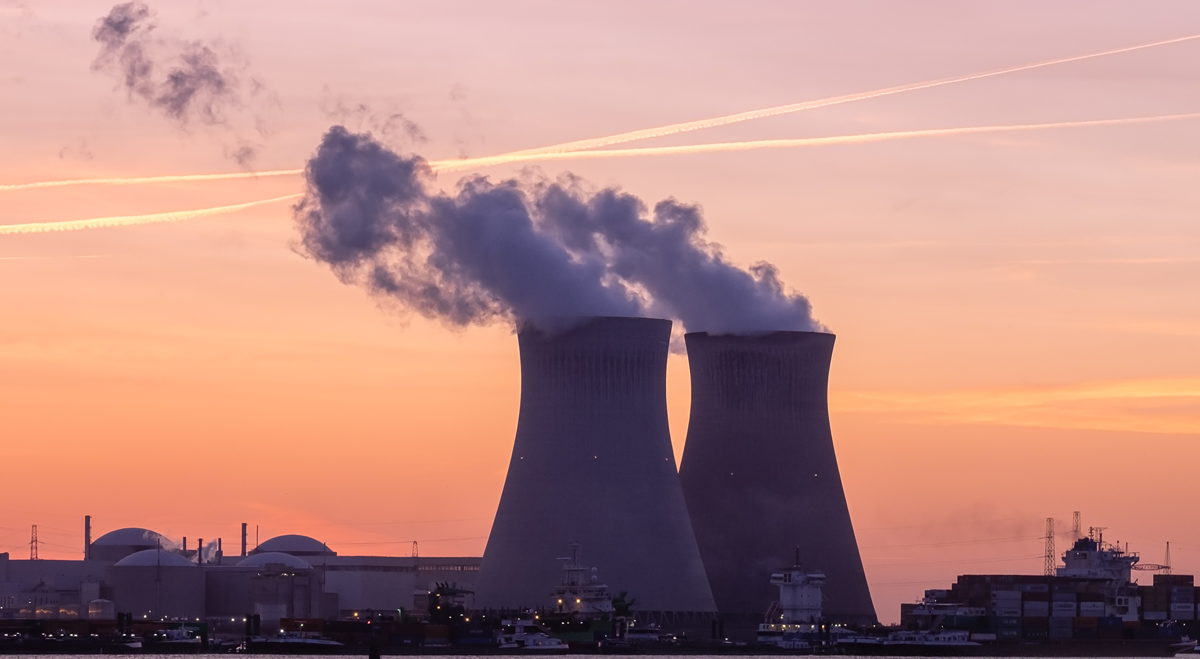
    Centrica (LSE:CAN) has reached Heads of Terms with the UK Government for a 20-year regulated Contract for Difference (CfD) that will support the continued operation of the Sizewell B nuclear power station beyond its current planned closure date. The agreement extends the plant’s lifespan from 2035 to 2055 and provides a CPI-linked strike price of £70.50 per megawatt hour, giving the project long-term revenue certainty while eliminating exposure to wholesale electricity price fluctuations.

    The agreement supports an investment programme of approximately £800 million to extend the life of the 1.2GW nuclear facility. Centrica said the funding will be provided through existing nuclear cash flows, avoiding the need to raise new equity. Sizewell B currently generates around 3% of the UK’s electricity and supplies enough zero-carbon power for approximately 2.5 million homes. The new regulated framework provides greater visibility over future earnings while strengthening Centrica’s portfolio of long-term energy infrastructure assets.

    The extension also complements Centrica’s broader nuclear strategy, which includes its investment in the planned Sizewell C power station and its involvement in advanced modular reactor projects. The company believes the agreement will support UK energy security, protect highly skilled jobs and deliver long-term value for both customers and shareholders through stable, inflation-linked returns.

    Centrica’s financial outlook remains supported by strong revenue growth and consistently positive free cash flow. However, these strengths are partly offset by volatility in bottom-line earnings, including a net loss reported in 2025, and a balance sheet that remains moderately leveraged. Technical indicators are broadly supportive, with the shares trading above key longer-term moving averages, while valuation appears reasonable based on a moderate price-to-earnings ratio and dividend yield.

    More about Centrica

    Centrica plc is a London-listed energy company with a 20% ownership interest in the UK’s operational nuclear power fleet, including the 1.2GW Sizewell B station in Suffolk. Alongside its existing nuclear assets, the company is investing in future low-carbon generation through its stake in the proposed 3.2GW Sizewell C project and its involvement in advanced modular reactor technologies.

    Centrica’s nuclear investments operate under regulated frameworks, including Contracts for Difference and the Regulated Asset Base model, providing predictable, inflation-linked revenues. The company’s strategy is focused on supporting the UK’s transition to secure, low-carbon baseload electricity while generating stable long-term returns for shareholders.

  • Seraphim Space Completes ALL.SPACE Exit Following York Space Systems Acquisition (SSIT)

    Seraphim Space Completes ALL.SPACE Exit Following York Space Systems Acquisition (SSIT)

    Seraphim Space Investment Trust plc (LSE:SSIT) has confirmed the completion of the sale of portfolio company ALL.SPACE after York Space Systems finalised its acquisition of the business. As part of the transaction, Seraphim received a combination of cash and York shares with an initial value of approximately $46.3 million. Subject to the release of escrow funds, the total consideration could increase to as much as $54.4 million. The trust had invested a total of £31.3 million in ALL.SPACE.

    The overall value of the transaction is currently below the previously reported fair value of Seraphim’s £57.4 million holding because York’s share price has traded below the agreed issue price used in the deal. However, the trust noted that there remains meaningful upside potential should York’s share price recover before the lock-up restrictions on the newly issued shares expire. Management also highlighted the strategic rationale behind combining York’s satellite capabilities with ALL.SPACE’s communications technology, positioning the enlarged business to benefit from growing demand for resilient defence and secure communications solutions.

    Despite the successful exit, Seraphim Space’s outlook continues to be affected by persistently negative operating cash flow and earnings that are heavily influenced by changes in portfolio valuations. These challenges are balanced by the company’s debt-free balance sheet, which provides financial flexibility. Technical indicators remain relatively weak, with the shares trading below key short-term moving averages, while a low price-to-earnings ratio offers only limited valuation support.

    More about Seraphim Space Investment Trust

    Seraphim Space Investment Trust plc is a London-listed investment company specialising in SpaceTech businesses. The trust invests in companies developing satellite technologies, communications systems and other space-related infrastructure, with a focus on high-growth opportunities across defence, communications and global connectivity markets. Its portfolio is designed to provide investors with exposure to emerging technologies that support the expanding commercial space economy.